





Home » Film Formats
11 formats · 1899 to today

Film formats guide
and what we develop

All the common film formats explained: how to recognize the one in your hand, how they compare in size, and what it costs to have each one developed at The Darkroom.

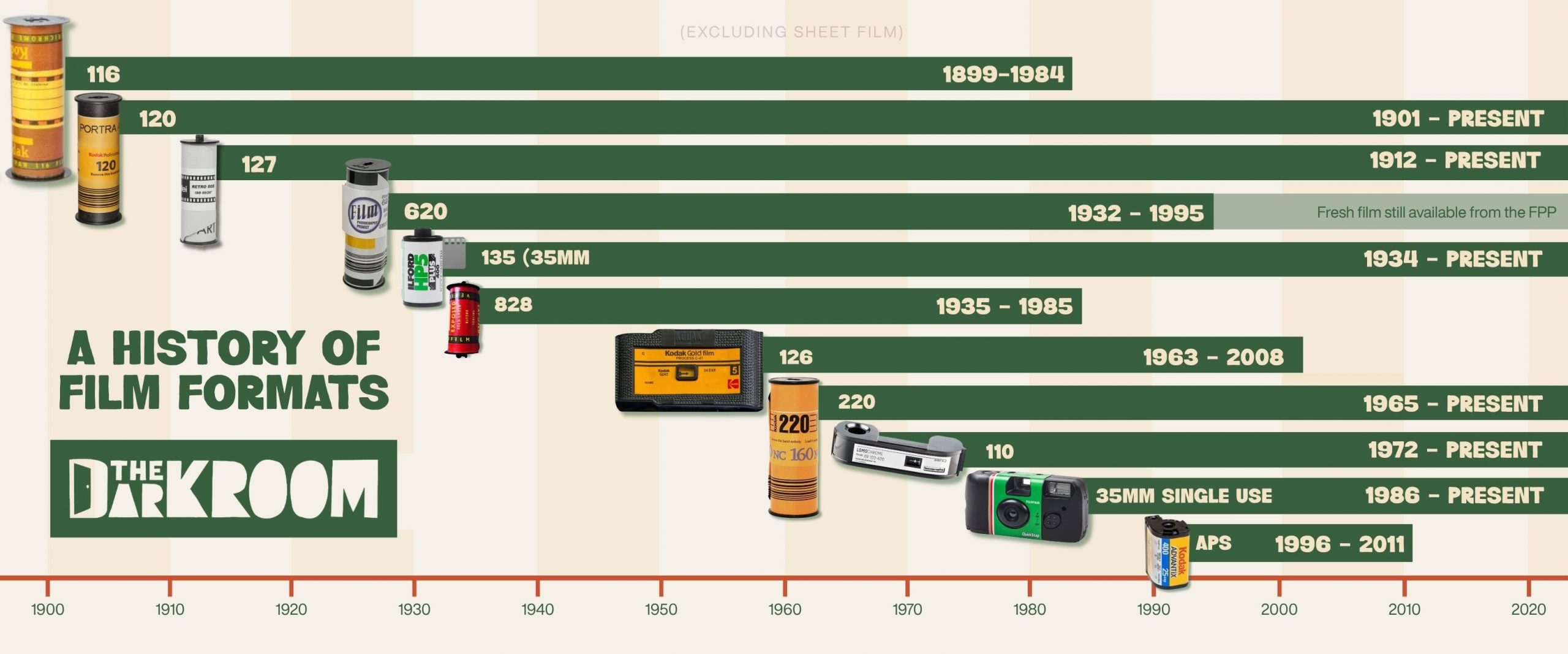
Film format size chart comparing 35mm, 120, 110, 126, APS, 127, 620, 220, 116 and 828 negatives at actual size, with the years each was in production
Develop Your Film
Develop + scan from $14 Most orders ready in 2–4 business days

Three ways film gets developed

Every format below comes in up to three kinds of film, and each kind runs through a different chemistry. The box or cassette tells you which one you have, usually printed next to the ISO.

Color negative

C-41

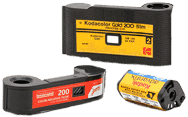
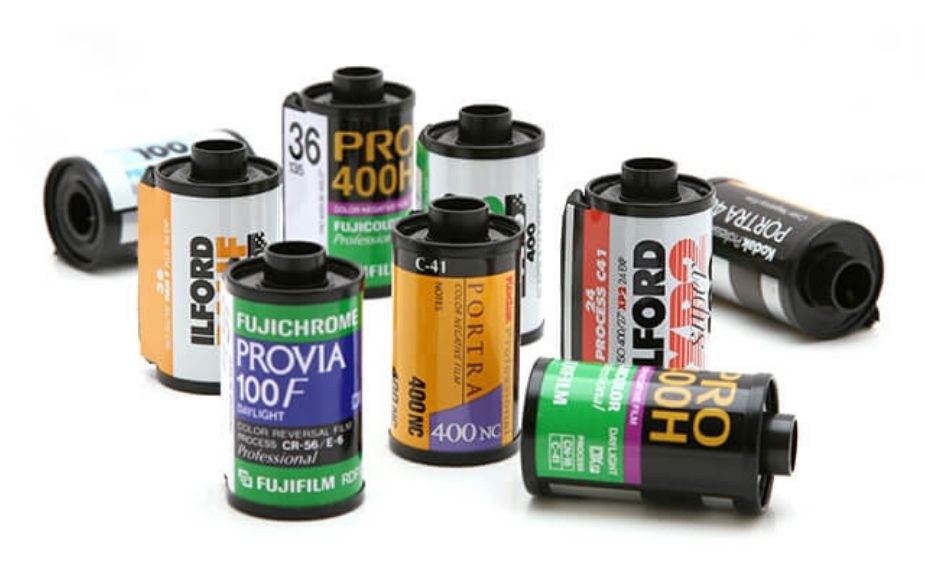
The everyday color film. Nearly everything sold today is C-41, including disposable cameras. The developed negatives look orange with the colors reversed; the scans and prints come out normal.

  • Look for: “C-41” or “Process C-41” on the box or cassette
  • Examples: Kodak Gold, UltraMax and Portra, Fujifilm 200 and 400, Lomography Color
Black & white negative

True B&W

Traditional silver-based black and white film, developed in its own chemistry on our dip and dunk line. The negatives are grey and clear rather than orange.

  • Look for: “black and white” or “B&W” with no C-41 marking. Ilford XP2 and Kodak BW400CN say C-41 and go in the color line instead
  • Examples: Ilford HP5 Plus, FP4 and Delta, Kodak Tri-X and T-Max, Fomapan, Kentmere
Color slide, or transparency

E-6

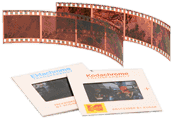
Slide film gives you a positive image on the film itself, the kind that went into projectors and light boxes. Colors are vivid and unforgiving of exposure mistakes, which is exactly why people love it.

  • Look for: “E-6,” “slide,” “transparency” or a name ending in “chrome”
  • Examples: Kodak Ektachrome, Fujifilm Velvia and Provia

All three are developed in our own lab in San Clemente, California, in every format listed below that still has film made for it. Prices are the base package with standard scans and your negatives or slides mailed back.

Every format, one by one

A short introduction to each, top to bottom. Every entry opens the full page, with the history, how to tell it apart, and the developing details.

35mm film cassette
35mm wide · 24 × 36mm picture
Comes in C-41 B&W E-6
Cassette · 1934 to today

35mm film (135)

Born as movie film in Edison’s lab in 1889 and packaged in the familiar metal cassette by Kodak in 1934. The standard for most cameras since, and still the most-shot format in the world.

We develop it · $14 More Info about 35mm film
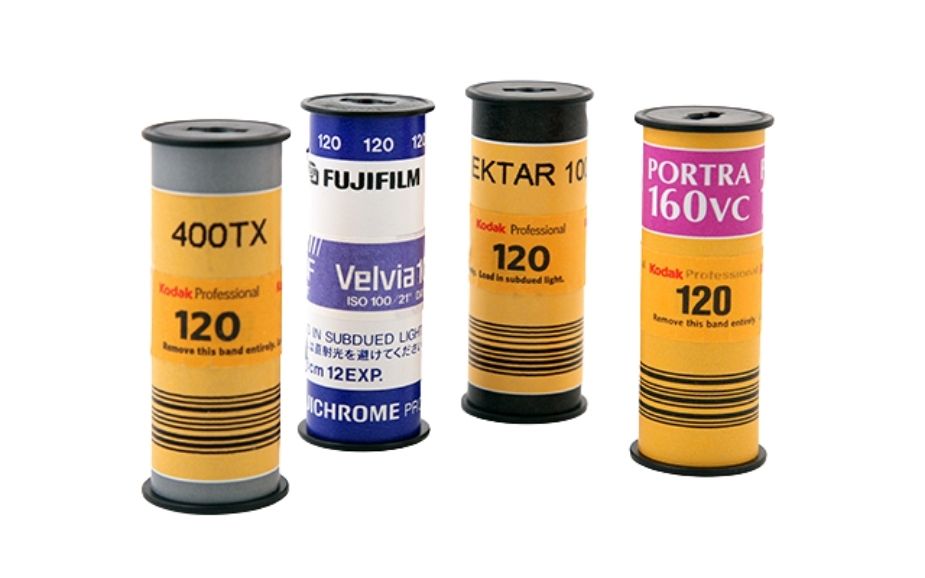
120 medium format film roll
60mm wide · 6 × 4.5cm to 6 × 9cm pictures, set by the camera
Comes in C-41 B&W E-6
Roll · 1901 to today

120 film

Introduced for the Kodak Brownie No. 2 and now the medium format standard. A paper-backed roll that gives a negative three to four times the size of 35mm, popular with Holga, Hasselblad and Mamiya shooters alike.

We develop it · $14 More Info about 120 film
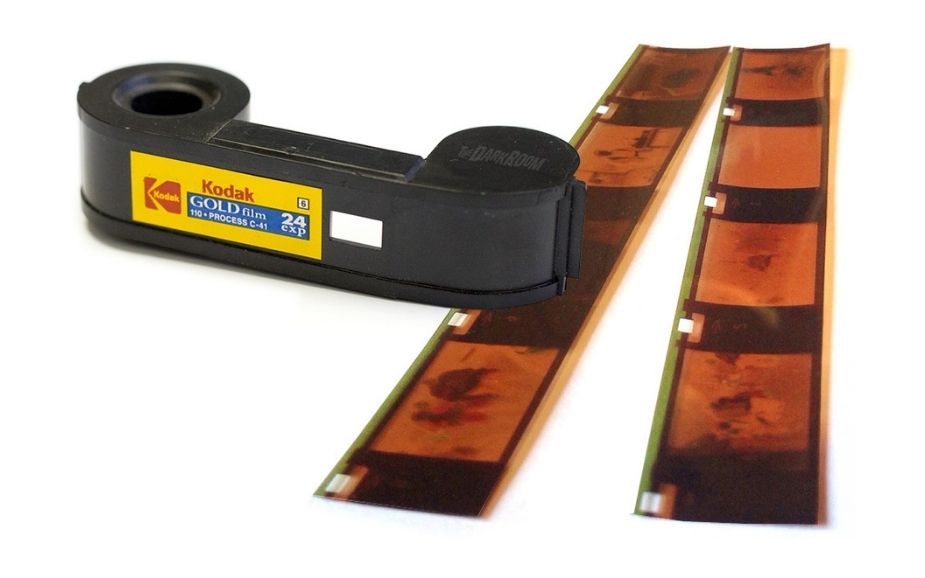
110 film cartridge with developed negatives
16mm wide · 13 × 17mm picture
Comes in C-41 B&W E-6
Cartridge · 1972 to today

110 film

Kodak’s pocket-sized drop-in cartridge, launched with the Pocket Instamatic. Tiny 16mm film with a tiny negative, which is why 110 scans have their grainy charm. Lomography still makes it.

We develop it · $20 More Info about 110 film
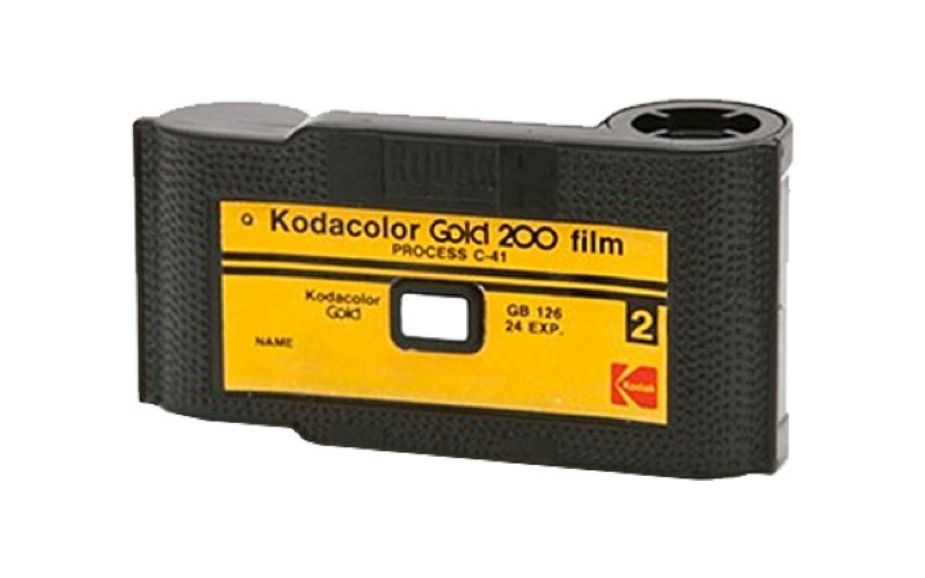
126 Instamatic film cartridge
35mm wide · 28 × 28mm square picture
Comes in C-41 B&W E-6
Cartridge · 1963 to 2007

126 film

The Instamatic cartridge. Around ten million 126 cameras were sold, so most family photos from 1965 to the mid-seventies were shot on it. 35mm-wide film with a square picture and a drop-in load.

We develop it · $20 More Info about 126 film
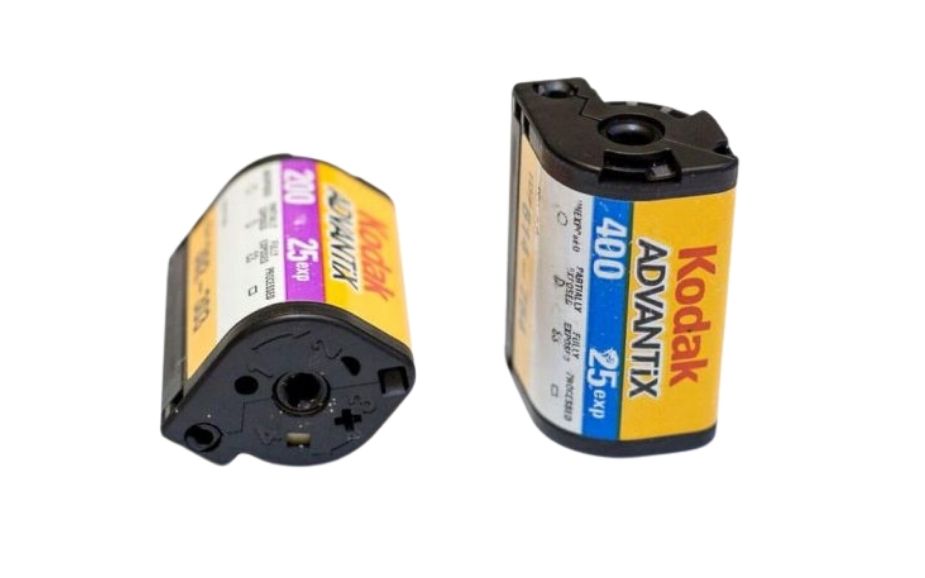
APS Advantix film cartridge
24mm wide · 30 × 17mm picture, cropped to C, H or P
Comes in C-41
Cartridge · 1996 to 2011

Advantix (APS) film

Kodak’s Advantix and the Advanced Photo System: a sealed 24mm cartridge that loads itself, records exposure data on a magnetic layer, and comes back from the lab with the developed film stored inside it. Already developed cartridges can be scanned and printed too.

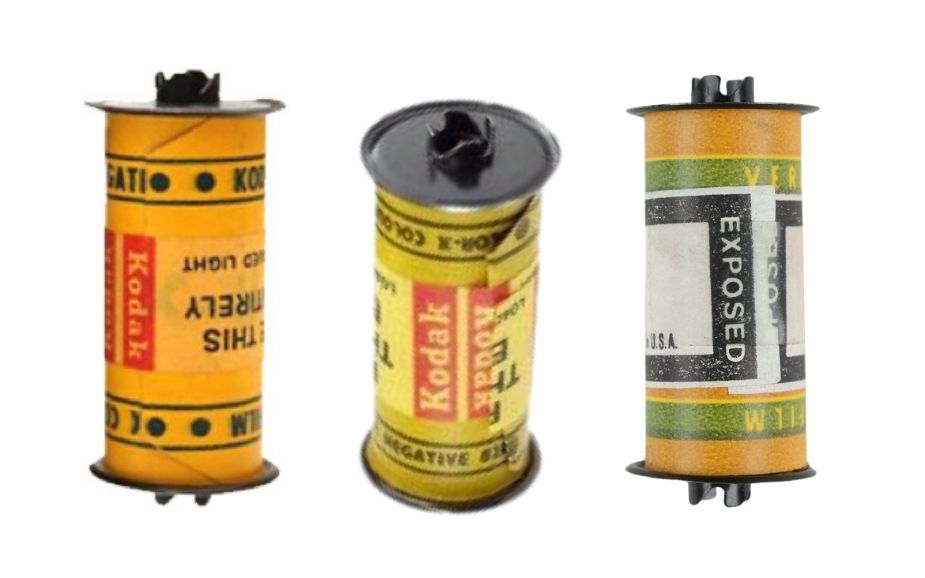
620 film roll and camera
60mm wide · same pictures as 120, on a thinner spool
Comes in C-41 B&W E-6
Roll · 1932 to 1995

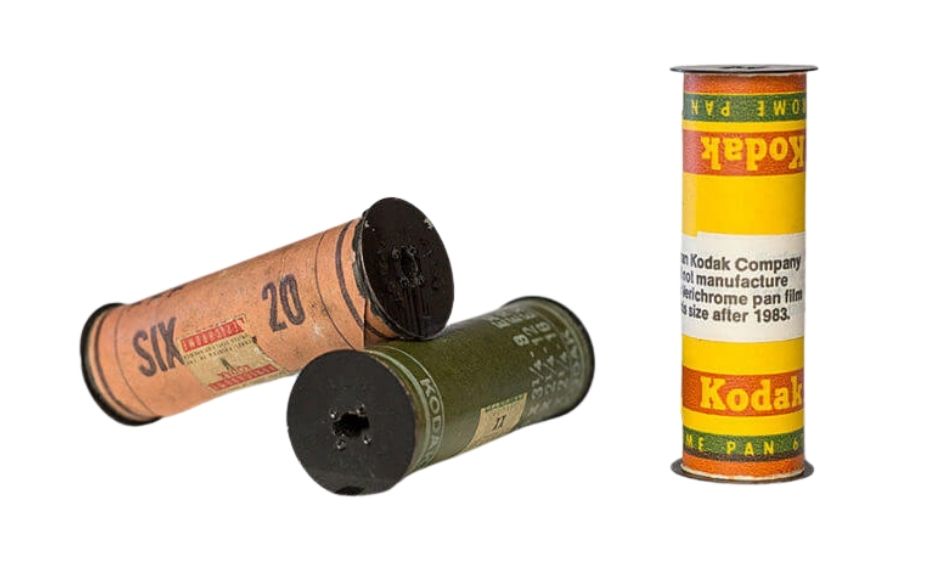
620 film

The same film as 120 on a thinner metal spool, made for Kodak’s own cameras. Old 620 cameras shoot happily today with 120 film respooled onto a 620 spool, and we develop it as 120.

We develop it · $14 More Info about 620 film
220 film roll
60mm wide · same pictures as 120, twice as many per roll
Comes in C-41 B&W E-6
Roll · 1965 to 2010s

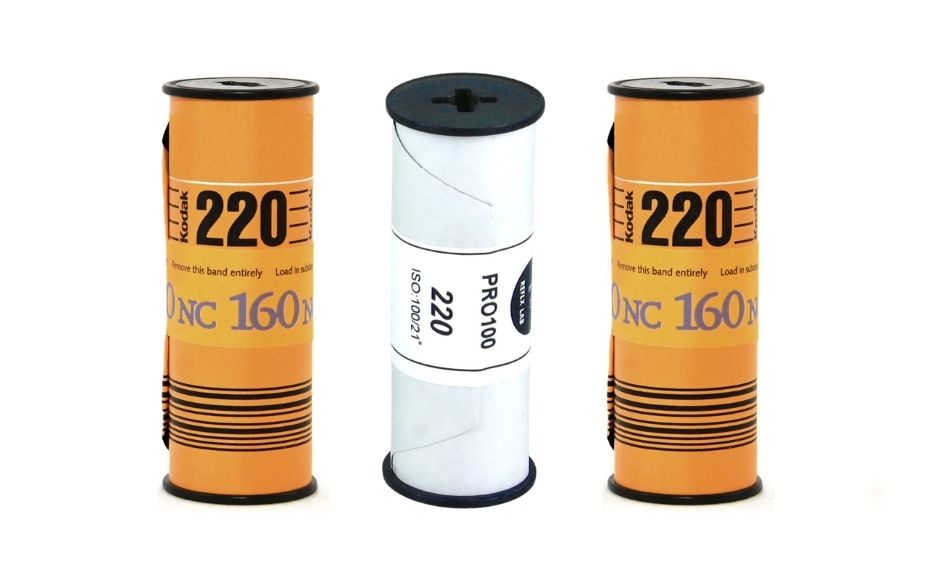
220 film

120’s long-roll cousin: the same width with no backing paper, so twice the frames fit on one spool. Needs a camera or back built for it. Mostly discontinued, but still turning up in freezers.

We develop it · $24 More Info about 220 film
127 film roll
46mm wide · 4 × 4cm, 4 × 6.5cm or 3 × 4cm pictures
Comes in C-41 B&W E-6
Roll · 1912 to 1995, small batches since

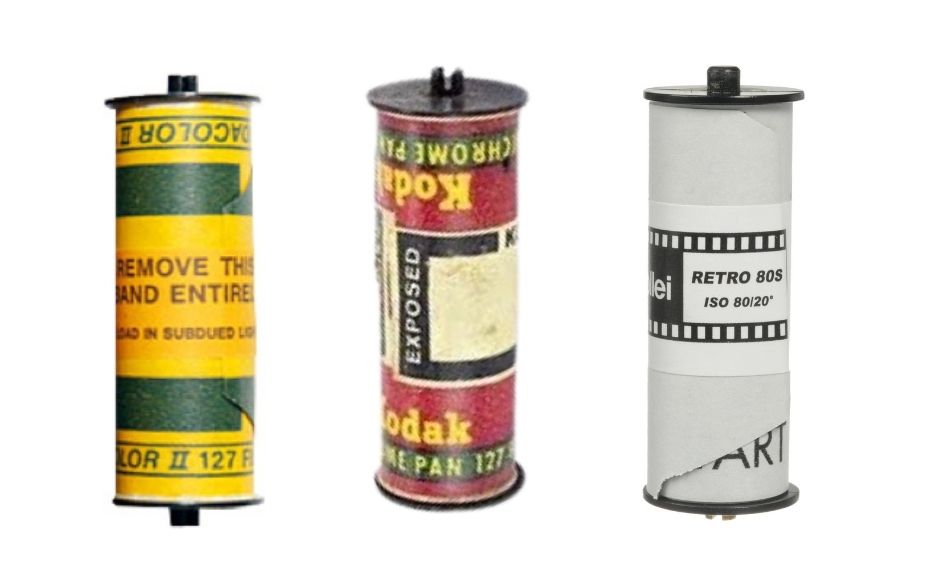
127 film

Kodak’s “Vest Pocket” roll film, 46mm wide, for a generation of folding cameras and later the Brownie and Yashica 44. Square 4 x 4cm negatives, with a few specialty makers still cutting it today.

We develop it · $20 More Info about 127 film
116 and 616 film rolls
70mm wide · 6.5 × 11cm picture
Comes in C-41 B&W
Roll · 1899 to 1984

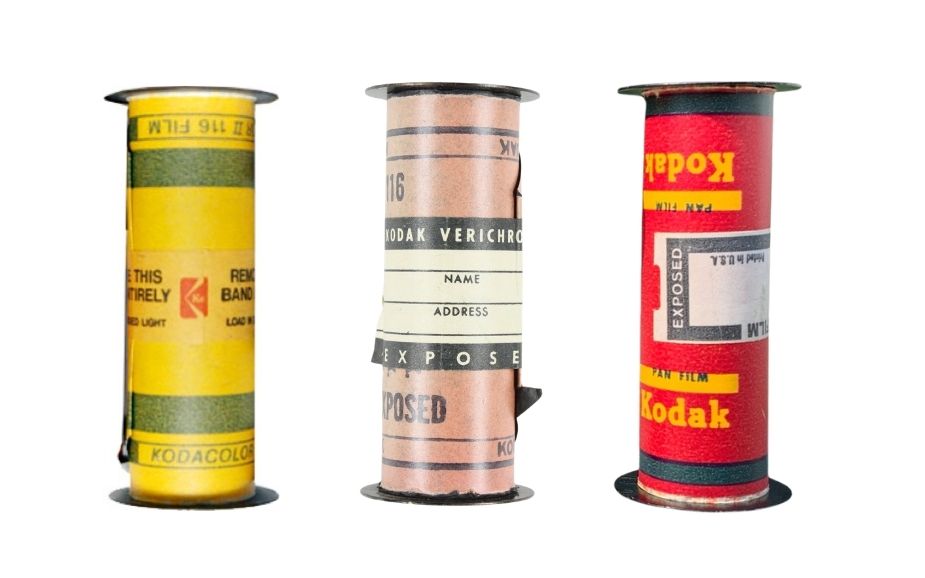
116 and 616 film

Big 70mm roll film from the era when negative size was everything, giving 6.5 x 11cm pictures that could be contact printed. 616 is the same film on a slimmer spool for smaller folding cameras.

We develop it · $24 More Info about 116 and 616 film
828 film roll
35mm wide, no sprockets · 28 × 40mm picture
Comes in C-41 B&W E-6
Roll · 1935 to 1985

828 film

35mm-wide film without sprocket holes, paper-backed and wound on a tiny spool for Kodak’s Bantam cameras. The missing sprockets gave a slightly bigger picture than standard 35mm.

We develop it · $14 More Info about 828 film
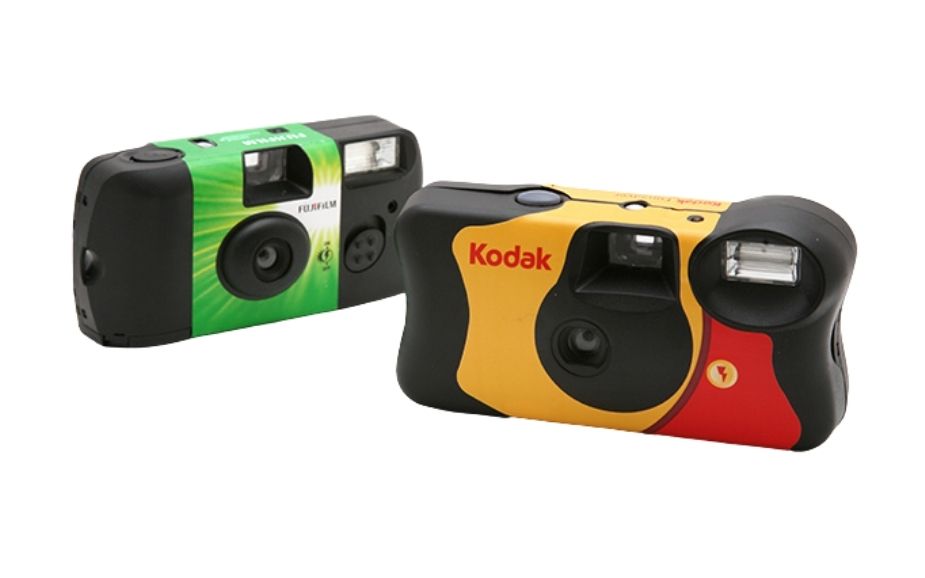
Single-use disposable camera
35mm film inside · 24 × 36mm picture
Comes in C-41 B&W
Single-use camera · 1986 to today

Disposable cameras

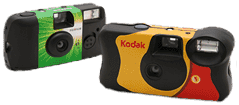
Not a format of its own: a disposable camera is a roll of 35mm film sealed inside a plastic body, from Fujifilm’s 1986 QuickSnap to today’s Kodak FunSaver and Ilford models. Mail the whole camera; we take the film out.

We develop it · $17 More Info about disposable cameras
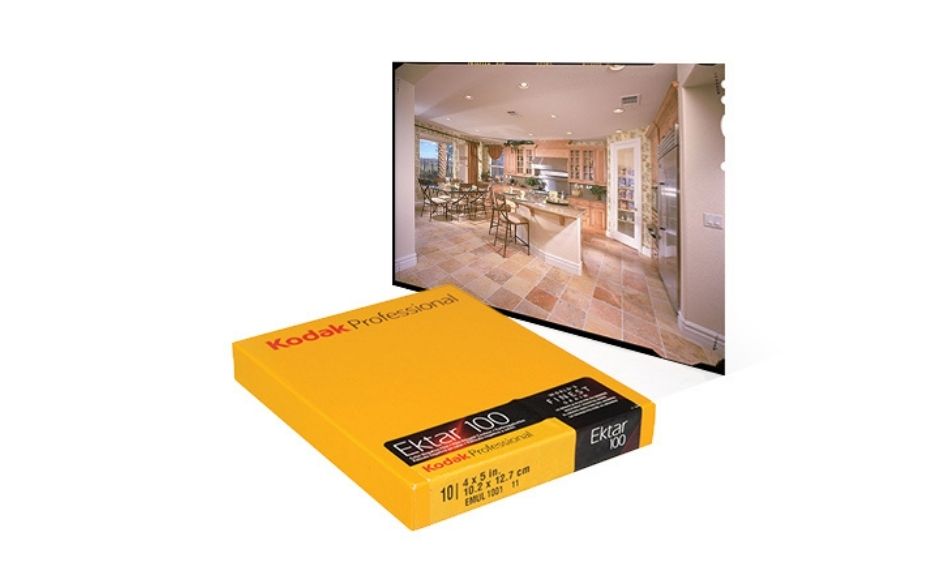
Large format sheet film in the dip and dunk processor
Single sheets · 4 × 5, 5 × 7 and 8 × 10 inch
Comes in C-41 B&W E-6
Sheet film · 1880s to today

Large format sheet film

4×5, 5×7 and 8×10 inch sheets loaded one at a time into film holders. The oldest way to shoot and still the sharpest, with negatives you can read by eye. Processed sheet by sheet in our dip and dunk line.

We develop it · $6/sheet More Info about sheet film processing

Film format questions

4.7 stars · 570+ Google reviews

Whatever the format, we’ll develop it

Developing from$14
  • Developing + negatives returned
  • Free digital web gallery
  • Standard, Enhanced & Super scans
  • Optional true photographic prints
Start Your Film Order
No printer? Request a free postage-paid film mailer