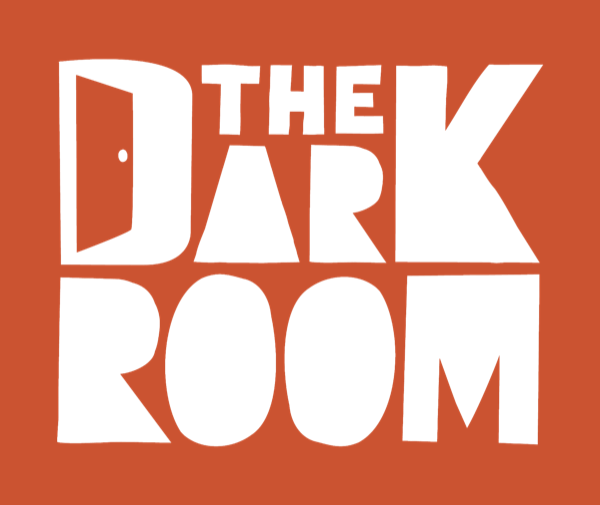
Yes, 110 film developing is still available, and we do it in our own lab. Color (C-41), black & white, and slide (E-6) cartridges are developed and scanned in-house, uploaded to your free web gallery, and your negatives are mailed back.
Start Your 110 Order We processC-41 · B&W · E-6
Quality developingSince 1976
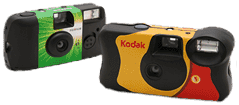
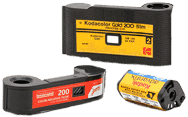
Found a cartridge in a drawer or an old camera and not sure what it is? Here’s how to tell 110 from its cousins.

110 film developing has run on our dip-and-dunk line for 50 years. Here’s what we process, what you get back, and what to check before you mail it.

One price per cartridge, with the add-ons you choose at checkout. No hidden fees.
| Add-ons per cartridge | |
|---|---|
| Enhanced scans Our recommended size | + $2 |
| Super scans Largest files, best for enlargements | + $6 |
| Color 4×6 prints | + $10 per set |
| True black & white 4×6 prints On real silver gelatin paper | + $20 per set |
| Slide film (E-6) | + $6 |
| Push or pull processing | + $3 |
| Scans on USB drive | + $12 per order |
| Other options | |
| Develop only, no scans $11 base + $6 cartridge film | $17 |
| Inbound shipping Printable label or free postage-paid mailer | Free |
| Return shipping Unlimited rolls per order | $6.95 |
Pick 110 / 126 / Advantix as your film type, choose your scan size and any prints, and check out. One order can hold as many cartridges as you have.
Print your free shipping label, or request a postage-paid mailer and we’ll send one to you. Drop the cartridges in as they are and send it.
We email you the moment your scans land in your online gallery. Share, download, or order prints. Your negatives and any prints follow in the mail.
A search for 110 film developing near you usually ends at a photo counter that mails the film out anyway. Most drugstore and big-box counters no longer accept 110 cartridges at all, and the ones that still take them send the film out to a third-party lab, with turnaround measured in weeks and, in many cases, no negatives returned. We develop 110 in our own lab in California, and your negatives always come back to you.
Yes. We develop 110 cartridges that have been sitting for decades. Expect some color shift, fading, or heavier grain, especially if the film was stored somewhere warm. Color film marked C-22 or Kodacolor-X (made before 1973) uses a chemistry no longer available; we can process those cartridges as black & white instead.
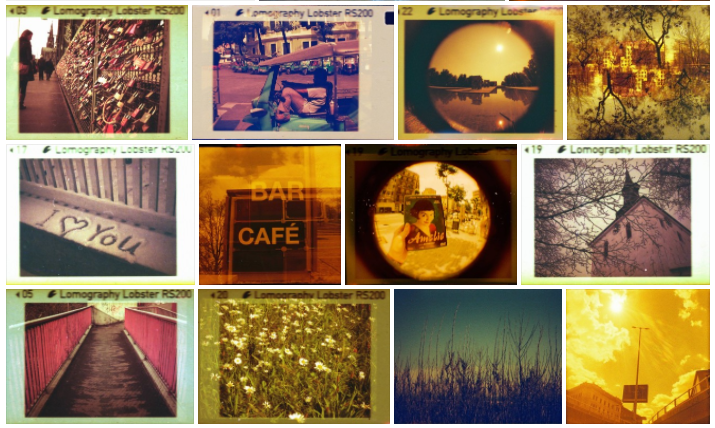
Yes, 110 film is still made new. Lomography produces it in color negative, black & white (Orca), slide (Peacock), and redscale (Lobster). You can find it at Lomography and at the Film Photography Project store. We develop all of them.
A 110 negative is about 13 x 17mm, roughly a quarter of the area of a 35mm frame, so every scan is a bigger enlargement of a smaller piece of film. Grain and softness are part of the look, and many people shoot 110 for exactly that reason. Choosing Enhanced or Super scans gives you the most detail the negative has to offer.
Yes. Add a set of 4×6 color prints, or true black & white prints on silver gelatin paper, when you order. You can also order prints and enlargements later from any image in your online gallery.
Your developed negatives are always returned with your order. The empty plastic cartridge is recycled after processing. If you want your negatives left uncut, choose that option at checkout.
Cartridge film is handled and scanned individually, so it takes a bit longer than 35mm. Most 110, 126 and APS orders are produced in 7–10 business days after we receive them. For anything current that might affect that, see our lab status page.
Yes. We run E-6 in house, so Lomography Peacock and any other 110 slide film is welcome. Add the E-6 option at checkout. Your transparencies are scanned and returned to you unmounted.
The pocket-sized cartridge that put a camera in everyone’s jacket. Part of our guide to popular film formats.
Kodak introduced the 110 cartridge in 1972 to answer a complaint it had heard for years: loading roll film was fiddly. After the success of the 126 “Instamatic” cartridge, 110 took the same drop-in idea and shrank it, taking advantage of better film emulsions that could tolerate a much smaller negative. The first cameras were branded Pocket Instamatic, and the format was an immediate hit, pushing competing subminiature cameras out of the market.
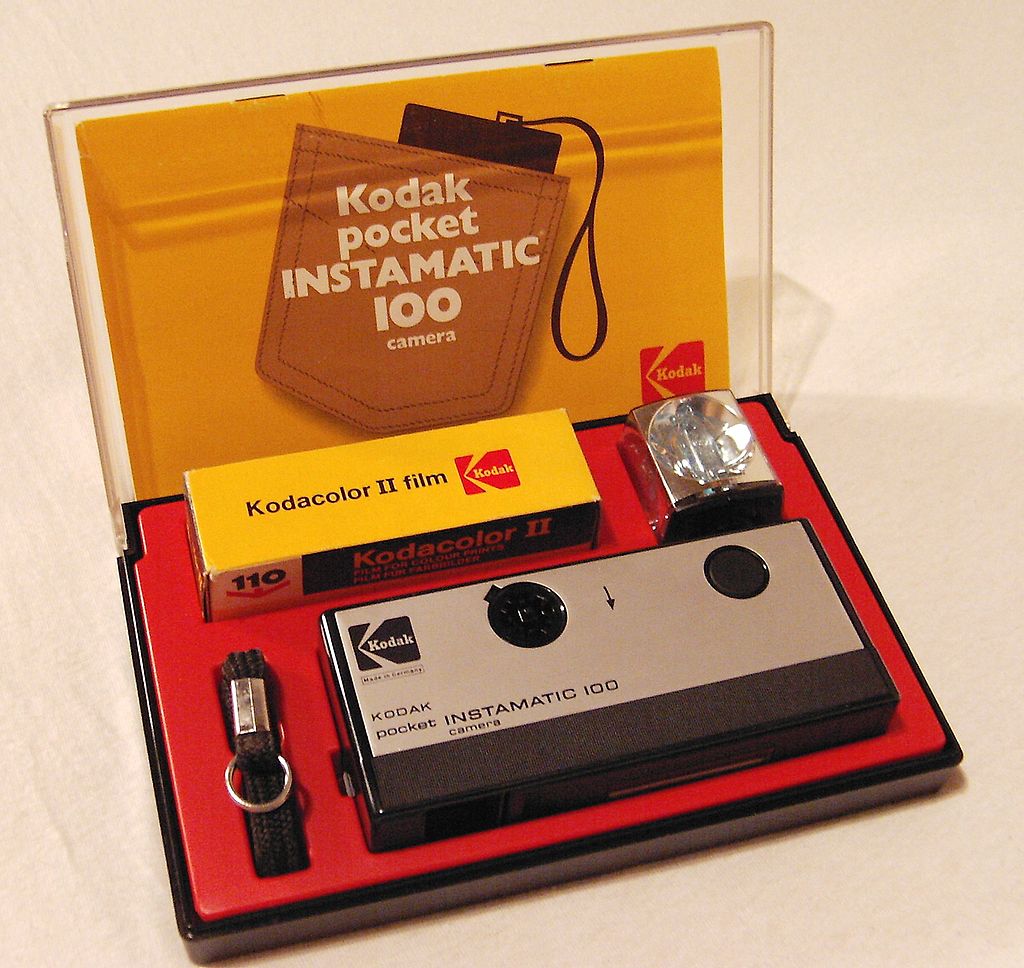
The film is 16mm wide and paper-backed. The paper is printed with frame numbers that show through a small window on the back of the cartridge, and a larger window in the camera door shows that number along with the film label. You don’t attach a leader to a take-up spool, and you don’t rewind at the end. The cartridge drops in, you close the door, wind, and shoot. Even if the camera is opened mid-roll, the exposed film stays protected inside the cartridge.
A notch on one end of the cartridge was meant to tell the camera the film speed, but few cameras used it, and many cartridges never carried the notch. That’s why modern 110 films like Lomography’s Peacock slide film suggest a filter or exposure compensation on cameras that can’t read it.
A 110 negative is roughly a quarter of the area of a 35mm frame. That’s what made the cameras so small, and it’s also why 110 prints and scans have always been grainier and softer than 35mm. Shooters today tend to treat that as the charm of the format rather than a flaw.
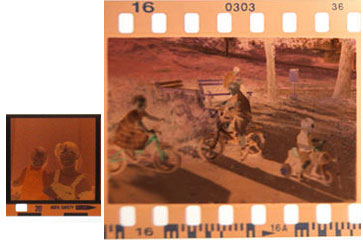
Kodak made 110 slide film until 1982, and by 2009 both Kodak and Fujifilm had stopped making 110 altogether. Lomography brought the format back in 2012 and still makes fresh 110 film in color negative, black & white (Orca), slide (Peacock), and redscale (Lobster), and sells new 110 cameras like the Diana Baby and Fisheye Baby. Add the steady stream of cartridges found in drawers and thrift-store cameras, and 110 film developing is busier at the lab than you might expect.
Michael Raso of the Film Photography Podcast walks through the 110 format, the cameras, and the film you can still buy for it.
Sources: Camerapedia, Kodak product histories, Lomography.
Every format has its own page, with the history and the developing details. Or see the whole guide.








 FAQ