



 Gift Cards
 Film Index
 FAQ
FAQ Film Developing
 35mm
35mm 120/220
 Single Use Cameras
 110/126/Advantix
 Sheet Film
 Scan Negs/Slides
 Prints
 Prints from Digital Files
 Enlargements
 Canvas, Metal & More
 Wood Prints
 Desktop Framed Prints
 HD Metal
 Your Account & Albums


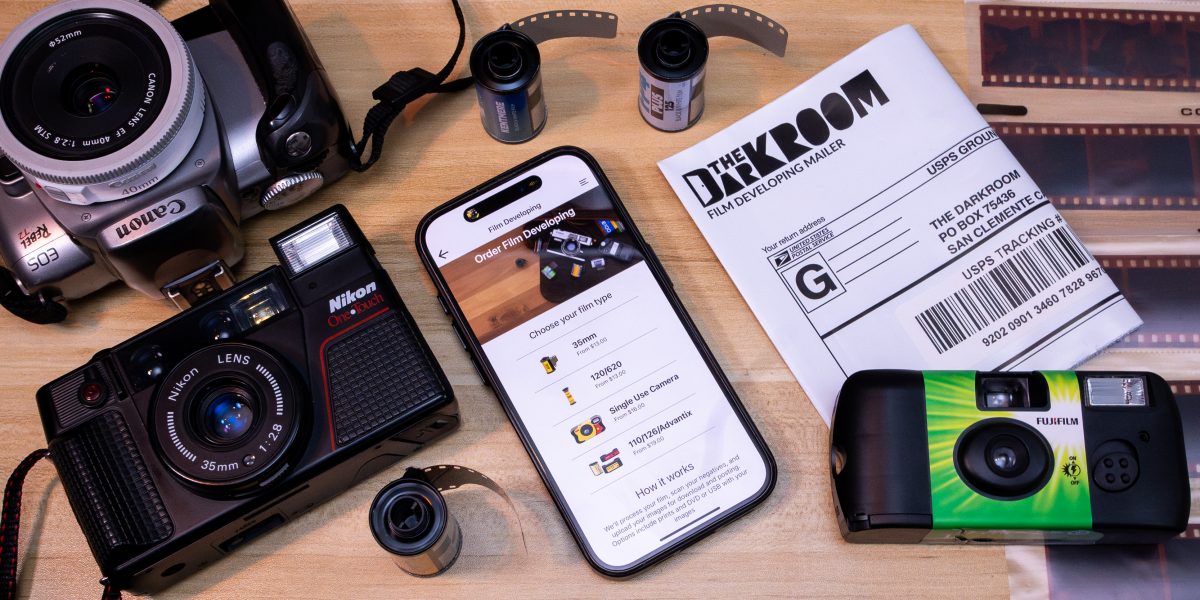
If you’ve ever wanted to try film photography but weren’t sure where to begin, you’ve come to the right place. This guide is designed to make your introduction to film photography as simple and enjoyable as possible. We’ll cover three easy steps to get started: finding the perfect camera, selecting the right film, and developing your images. At The Darkroom, we’re passionate about supporting the film photography community and making the process accessible and fun for everyone.
As a traditional lab with decades of expertise, we combine the craftsmanship of film processing with the modern convenience of our mobile app, allowing you to track your film every step of the way. We’re also proud to be the only lab we know of offering free inbound shipping for sending in your film – a small way we show our commitment to helping you capture and preserve your memories.
Step 1: Choose the Right Camera
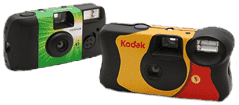
For many beginners, disposable cameras are the gateway into film photography. Popular options like the Kodak FunSaver or Ilford’s black-and-white single-use cameras are easy to find and simple to use. However, while disposables are convenient, they have limitations. Fixed exposure settings and plastic lenses often result in lower-quality images, especially in challenging lighting conditions.
If you’re ready to upgrade, consider a reusable camera. Models like the Kodak Snapic A1 or Long Weekend cameras offer better usability while still being budget-friendly. But if you want to get the most out of film photography, look for a camera with a glass lens and exposure controls. If you’re not sure where to start, a local camera shop is always a great option. You can get hands-on with different cameras, ask questions, and find something that fits your style. You can also look online at trusted sellers like KEH.com, usedcamerapro.com, or even eBay. If you go the eBay route, make sure you’re buying from a reputable seller with strong ratings, a good number of sales, and a return policy, and that the camera is tested and in working condition. Established camera stores and sites like KEH often include warranties or guarantees, which can give you extra peace of mind.
Tip: Ask your family if they have an old film camera lying around. Many people have cameras from the ‘80s, ’90s, or early 2000s stored away. These often just need a fresh battery to get back in action.
Popular camera types:
Point-and-shoots
This is a great place to start. Designed for maximum portability and ease of use, featuring fixed lenses and fully automated settings. The camera handles the focus and exposure, making them perfect for beginners.
SLR (Single-Lens Reflex)
Try an SLR if you want to get a bit more technical. These are usually larger, but they allow you to change lenses and take full manual control over how your photo looks.
Rangefinders
While they are less common and more specialized than SLRs, they offer excellent image quality and a unique experience for those who enjoy the challenge of manual focusing.
Recommended Point-and-Shoot Cameras
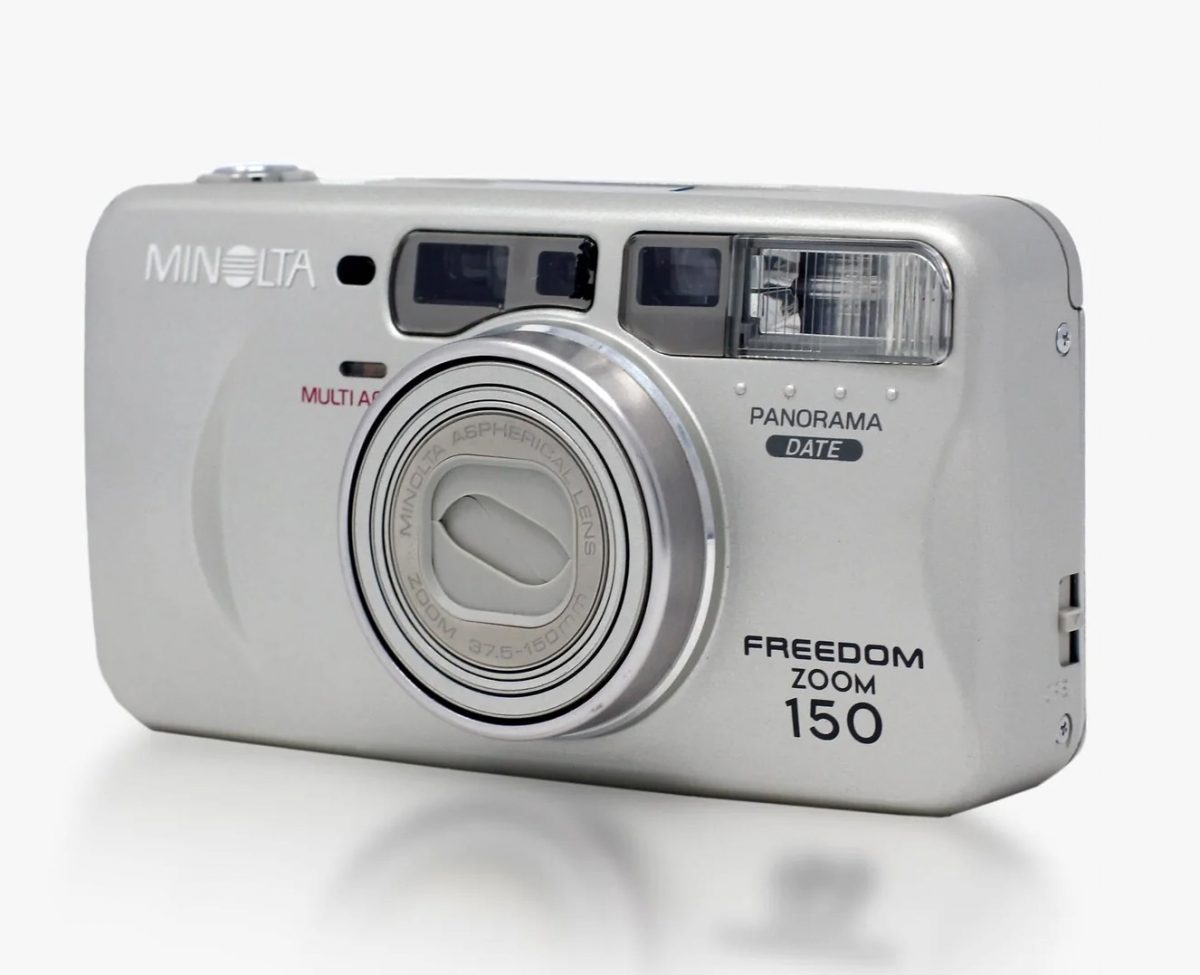
Minolta Freedom Zoom
This series is known for being a dependable “all-rounder” with very straightforward controls. Most models feature a versatile zoom range and a comfortable grip, making it a safe and accessible choice for someone’s very first roll of film.
Price Range: $30 – $100
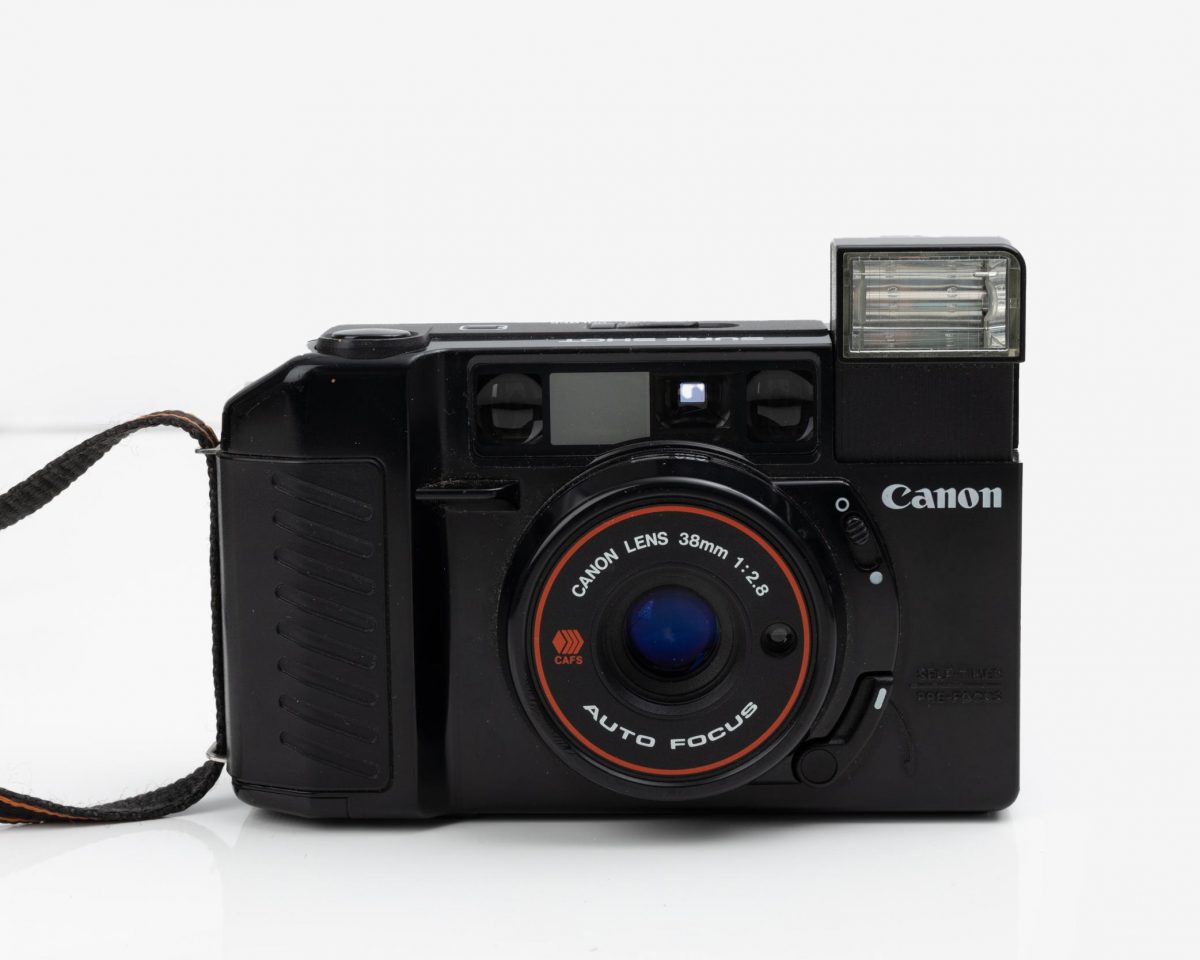
Canon Sure Shot
The Sure Shot line is massive and incredibly popular for its consistent autofocus and accurate exposure. Many of these cameras are “clamshell” style (where a sliding cover protects the lens), which makes them easy to toss into a bag without worrying about scratches.
Price Range: $40 – $150
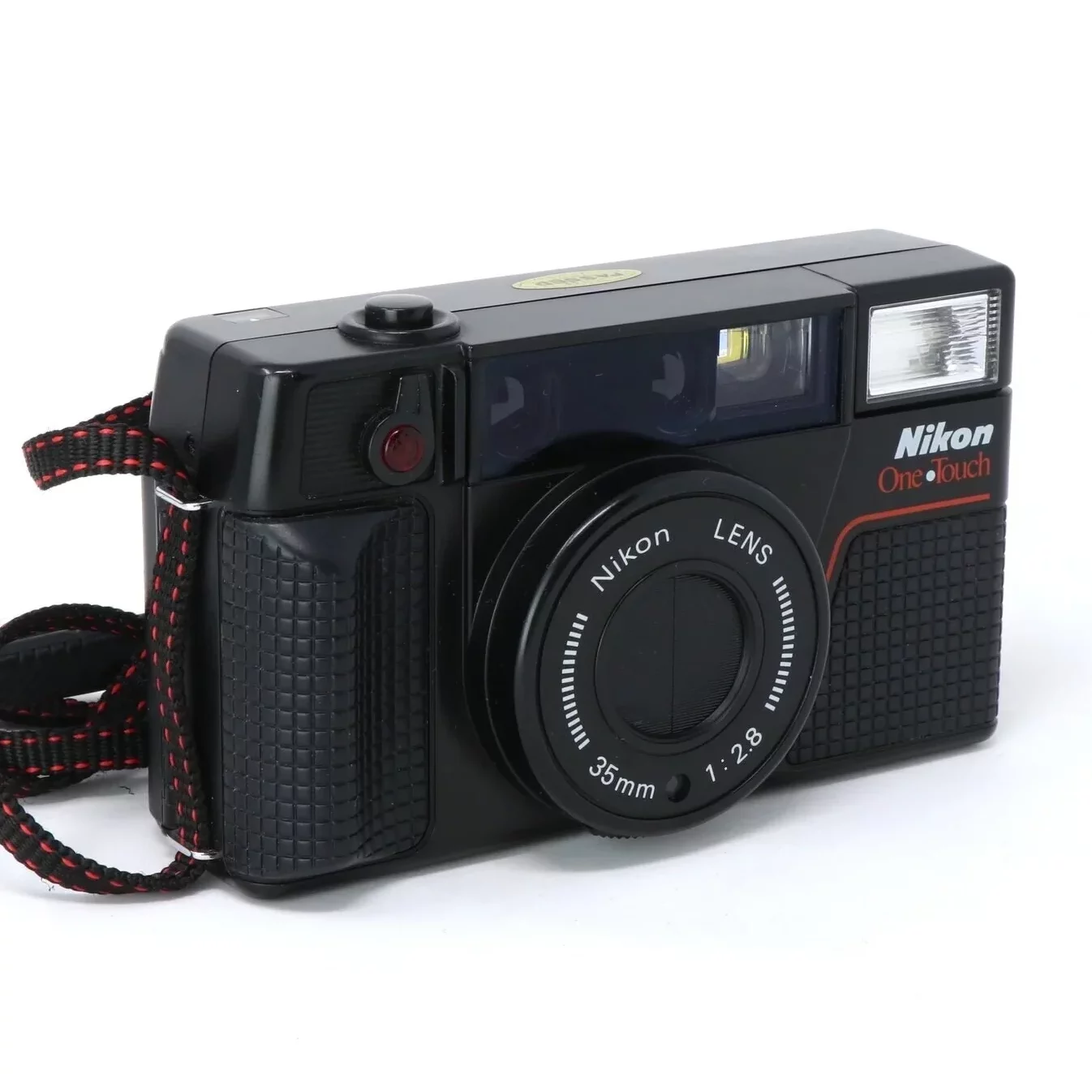
Nikon One Touch
The One Touch series is legendary for its “no-nonsense” approach, offering some of the sharpest lenses you can find in a plastic body. It’s a fantastic choice for those who want that classic 80s or 90s aesthetic without sacrificing image quality, as it delivers crisp, vibrant photos with almost zero effort.
Price Range: $50 – $140
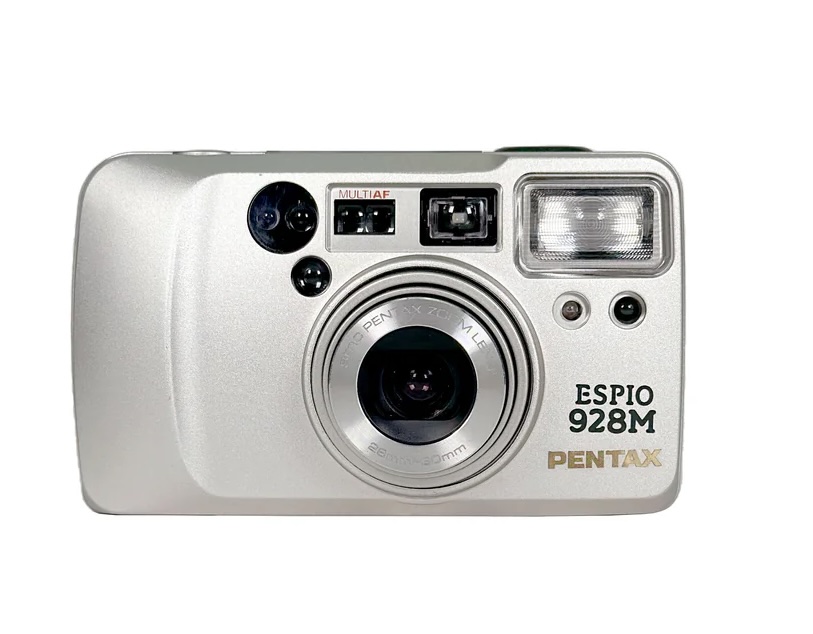
Pentax Espio
The Espio series (often called the IQZoom in the US) is famous for its high-quality zoom lenses and modern features. Many models in this line include clever perks like “panoramic mode” or a remote control built into the strap, offering a bit more room for creative experimentation.
Price Range: $40 – $130
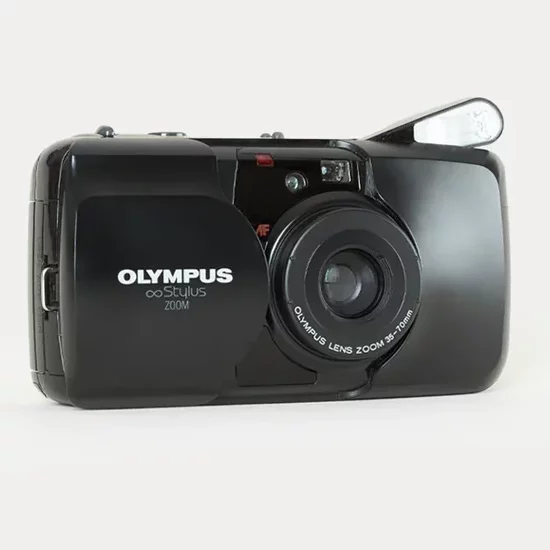
Olympus Stylus Zoom
Often considered the “gold standard” of compact point-and-shoots, the Stylus Zoom is incredibly small and stylish. It is prized for its weather-resistant design and legendary sharpness, though its popularity in the film community has made it the most expensive on this list.
Price Range: $80 – $150
Recommended SLR (Single-Lens Reflex) Cameras
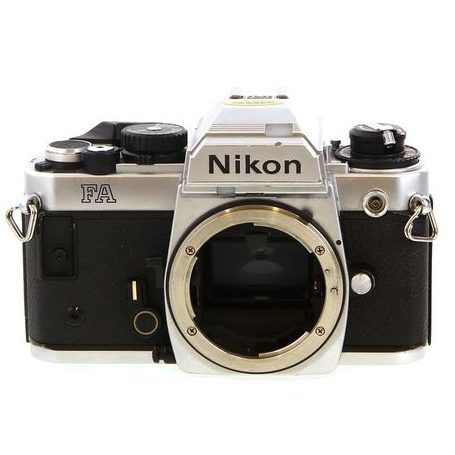
Nikon FA, FM & FE
These are the “holy trinity” of enthusiast Nikon SLRs. Known for their incredible build quality and compatibility with decades of sharp Nikkor lenses, they offer a mix of fully mechanical reliability (FM) and helpful semi-automatic modes (FE/FA). They are perfect for students who want a camera that feels like a precision tool.
Price Range: $150 – $300
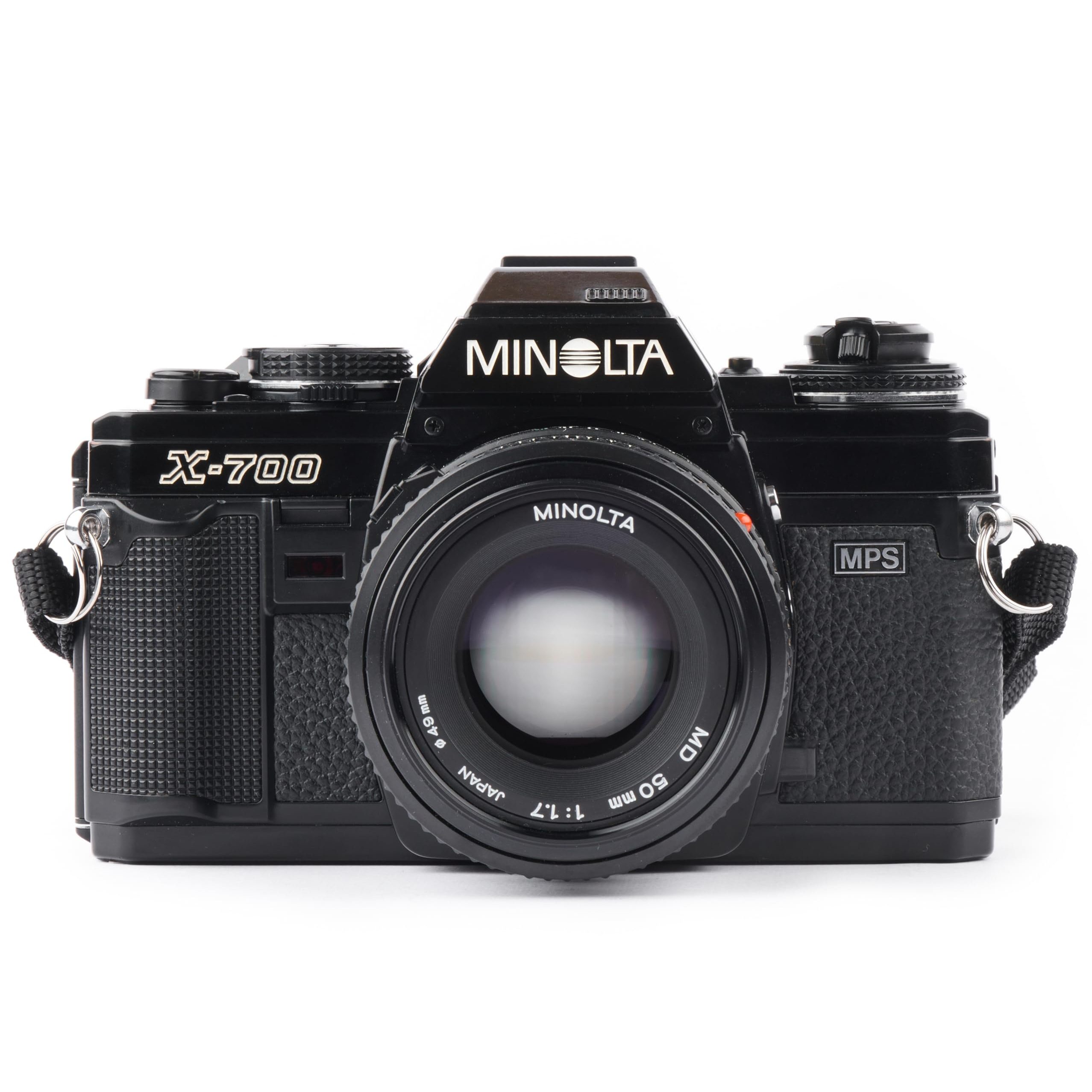
Minolta X-700
The X-700 is one of the most popular beginner SLRs because of its exceptionally bright viewfinder and easy-to-use “Program” mode. It provides a great safety net for new shooters while still offering full manual control for when they get more confident.
Price Range: $100 – $180
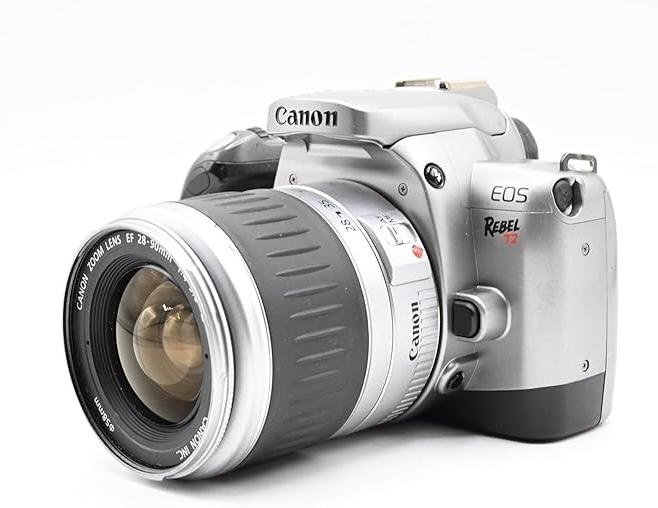
Canon Rebel Series
These are the “modern” SLRs of the bunch. Made of lightweight plastic and featuring fast autofocus, they feel very similar to a modern digital camera. They are excellent for those who want the look of film but find manual focusing or winding too intimidating to start with.
Price Range: $40 – $100
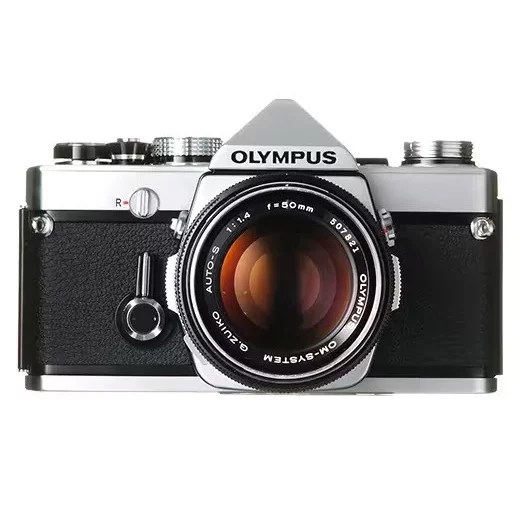
Olympus OM Series
The OM series was revolutionary for being much smaller and lighter than other SLRs of its time. They are prized for their beautiful design and “jewelry-like” mechanical feel, making them a top choice for those who plan to carry their camera everywhere.
Price Range: $120 – $250

Minolta Maxxum Series
The Maxxum 7000 was the first successful autofocus SLR, and the series continued to innovate through the 90s. Like the Canon Rebel, these cameras handle most of the work for you and are often quite affordable because they don’t have the “vintage metal” look that is currently trending.
Price Range: $30 – $70
Recommended Rangefinder Cameras
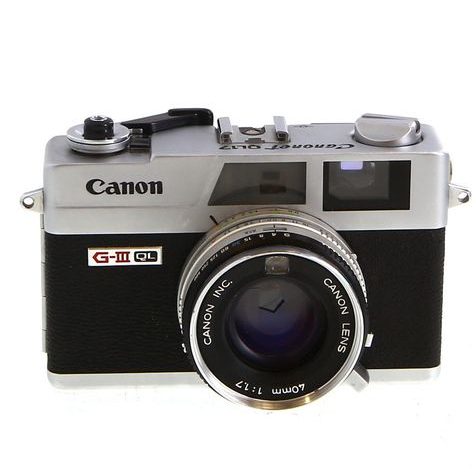
Cannon Canonet QL17 GIII
Often called the “poor man’s Leica,” this is one of the most famous rangefinders ever made. It features a high-quality, fast lens and a “Quick Load” (QL) system that makes loading film a breeze for beginners. It’s a perfect blend of vintage metal feel and user-friendly design.
Price Range: $120 – $220
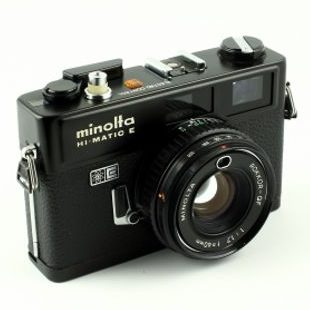
Minolta Hi-Matic E
The Hi-Matic E is a “fully automatic” rangefinder, meaning the camera handles the shutter speed and aperture while you focus the lens. It is equipped with a legendary Rokkor lens that produces incredibly sharp, colorful images, making it a great “bridge” for those who want rangefinder style without the manual math.
Price Range: $60 – $110
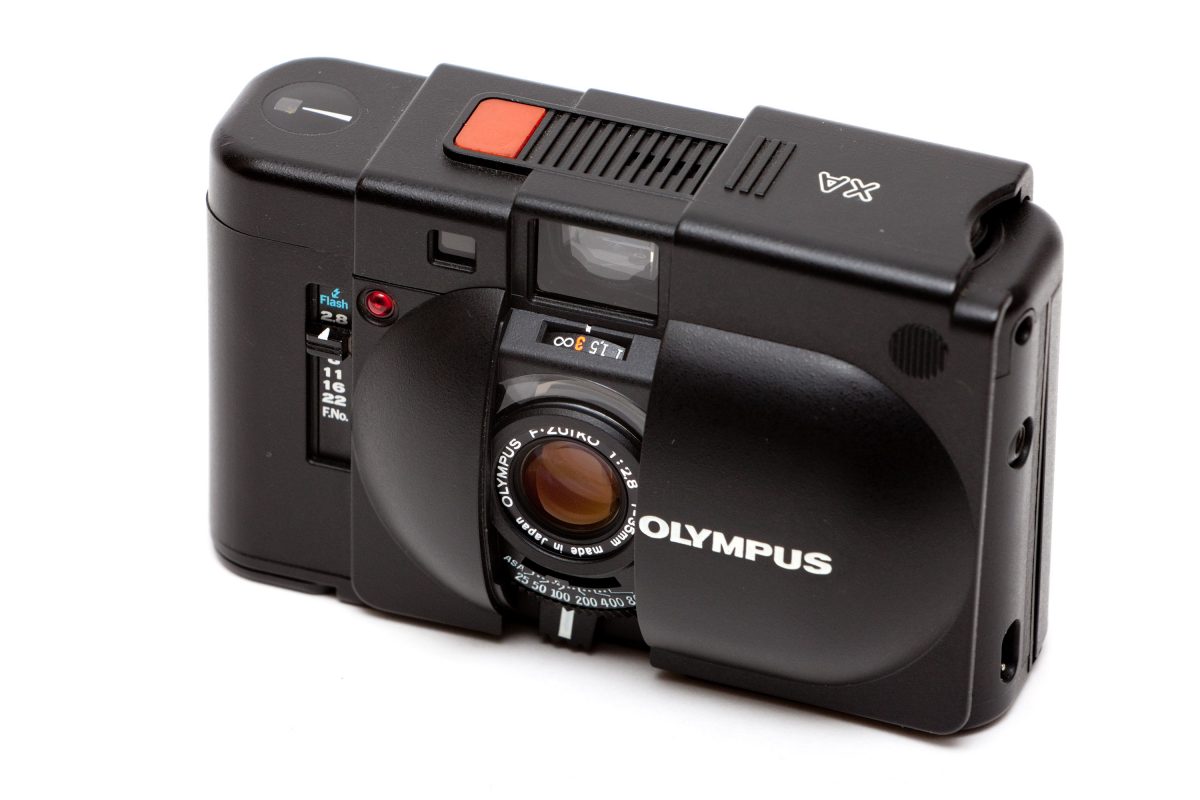
Olympus XA
This is a marvel of engineering – a true rangefinder that actually fits in your pocket. It features a unique sliding “dust cover” that protects the lens and turns the camera on. It’s the ultimate choice for those who want a high-end manual focus experience in the most portable package possible.
Price Range: $140 – $230
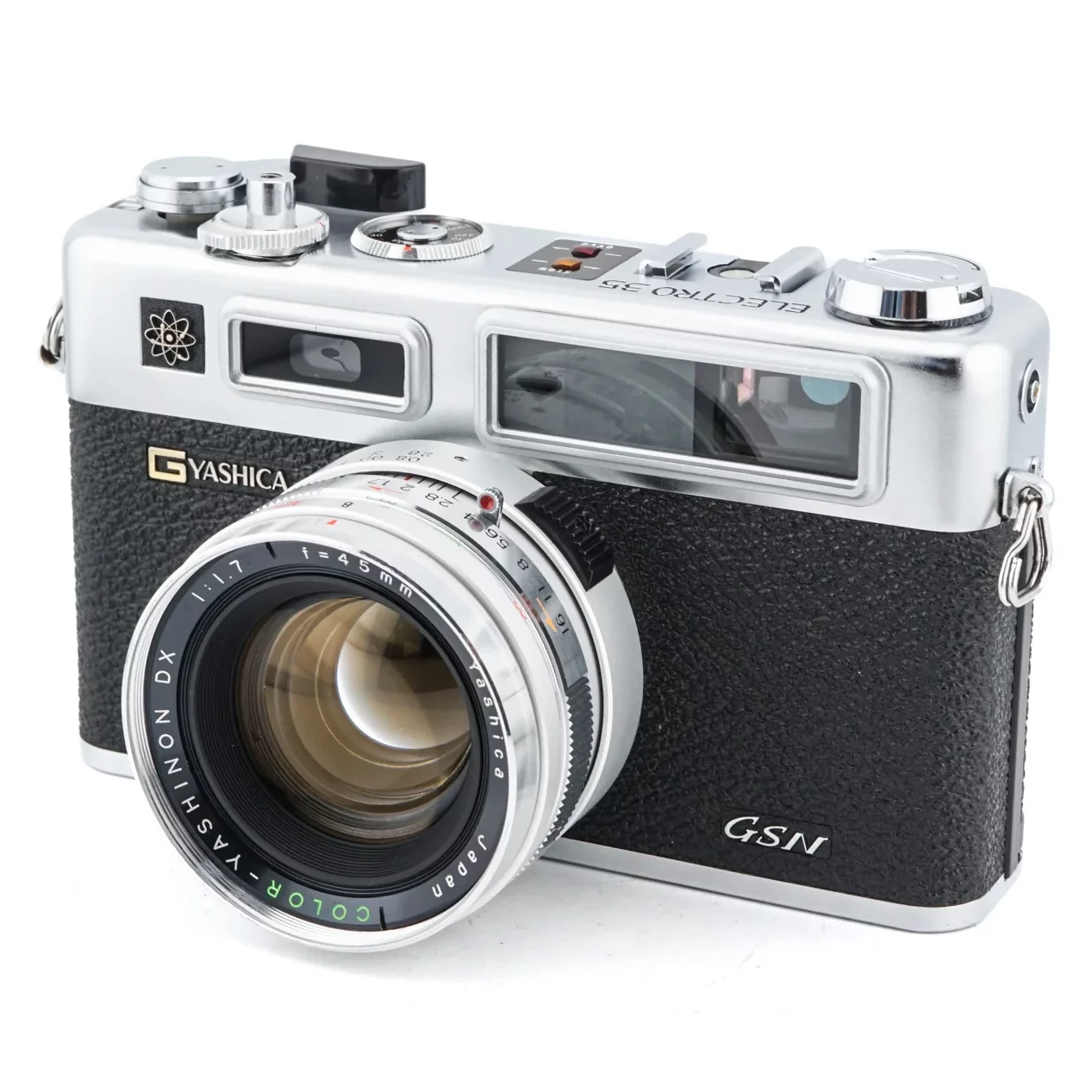
Yashica Electro 35 GSN
Known for its “Atomic” logo and its role as Peter Parker’s camera in The Amazing Spider-Man, the Electro 35 is famous for its low-light capabilities. It uses a simple “light” system in the viewfinder to tell you if your shot is over or underexposed, making it very intuitive to learn on.
Price Range: $70 – $130
A reliable and affordable option for beginners is the Canon Rebel series. These cameras are inexpensive, easy to use, and capable of producing stunning results.
Step 2: Select Your 35mm Film
We recommend starting with a versatile ISO 200 or 400 film, which works well in various lighting conditions. For color negative film, you can’t go wrong with Kodak Gold 200 or Ultramax 400 with Fuji 200 and Fuji 400 being good alternatives as they will produce very similar results.
For black-and-white photography, try Ilford HP5 or FP4 for a classic look. If you’re on a budget, Kentmere Pan 100 and 400 offer great value at around $6 per roll. For your first rolls, we recommend sticking to one type of film to learn its unique characteristics in different shooting scenarios.
Where to Buy:
- Check out local stores or online retailers like the Film Photography Project for fair pricing.
- Avoid purchasing film on Amazon, where prices are often inflated.
Discover More with Our Film Index At The Darkroom, we’ve created an incredible resource called the Film Index. This interactive tool provides reviews, ratings, and sample images for countless film stocks. Best of all, it allows the film community to share their experiences, making it an invaluable resource for finding the perfect film for your style.
Step 3: Get Your Film Developed
Once you’ve finished shooting, it’s time to develop your film. While some drugstores still offer film developing, they often don’t return your negatives and provide low-resolution scans. Instead, choose a dedicated film lab like The Darkroom to ensure high-quality results.
Why Choose The Darkroom?
- Free In-Bound Shipping: We provide free mailers and printable shipping labels for your convenience.
- Easy Online ordering: You can order with our Mobile App or at TheDarkroom.com.
- Flexible Scanning Options: Choose from Standard (great for social media), Enhanced (perfect for mid-sized prints), or Super Scan (ideal for large prints and detailed editing).
- Convenient Image Download: Our File Operating System (FOS) allows you to view, edit, download, and print your photos, with an option to archive them all from the convenience of our mobile app or website.
We’ll develop your film, scan it, and upload the images to your personal FOS account. You can also order prints directly from your scans. Plus, we return your negatives, giving you a physical backup and return orders come with a fresh film mailer and order form for your next order!
Get Started Today!
Film photography is a rewarding and creative journey. Whether you’re experimenting with your first disposable camera or diving into the world of manual SLRs, The Darkroom is here to help. Check out our blogs and follow us on social media for more tips, tutorials, and inspiration.