




 FAQ
FAQ


Ten years ago, we wrote a blog comparing film and digital photography. At the time, that conversation was everywhere. Digital cameras were improving quickly, and photographers naturally focused on specs, image quality, and which format was “better.” But in 2026, that debate feels outdated.
Most photographers today move between digital and film depending on the situation. Sometimes digital means a dedicated camera. Sometimes it’s a smartphone. Sometimes film is the primary tool, and sometimes it’s an occasional roll.
We love film. It’s our first choice. But this isn’t about saying film is better than digital. Digital cameras are more capable than ever and will continue to improve.
The more interesting question is why film still matters when digital technology has become so good. For us, the answer has less to do with which format wins on a spec sheet and more to do with how film changes the experience of making photographs.
Why Photographers Are Drawn to Film
One of the most interesting shifts we’ve seen is how many digital photographers are drawn to the look of film. Film presets, simulations, and film-inspired profiles are everywhere.
If you already love that look, why not shoot a few rolls and experience where it comes from? Different film stocks bring their own color, grain, contrast, and character. Scanning and editing can still shape the final result, but much of the look begins with the film itself.
For many photographers, film and digital work best side by side. Digital offers speed, flexibility, and consistency. Film offers a slower, more tactile experience. Depending on the assignment or the moment – each can bring something valuable.
What Film Offers Beyond the Specs
Digital cameras continue to improve in megapixels, dynamic range, autofocus, and low-light performance. That progress is impressive and incredibly useful. But most people don’t shoot film in 2026 because it wins on a spec sheet. They shoot it because of the way it renders a scene and the experience it creates.
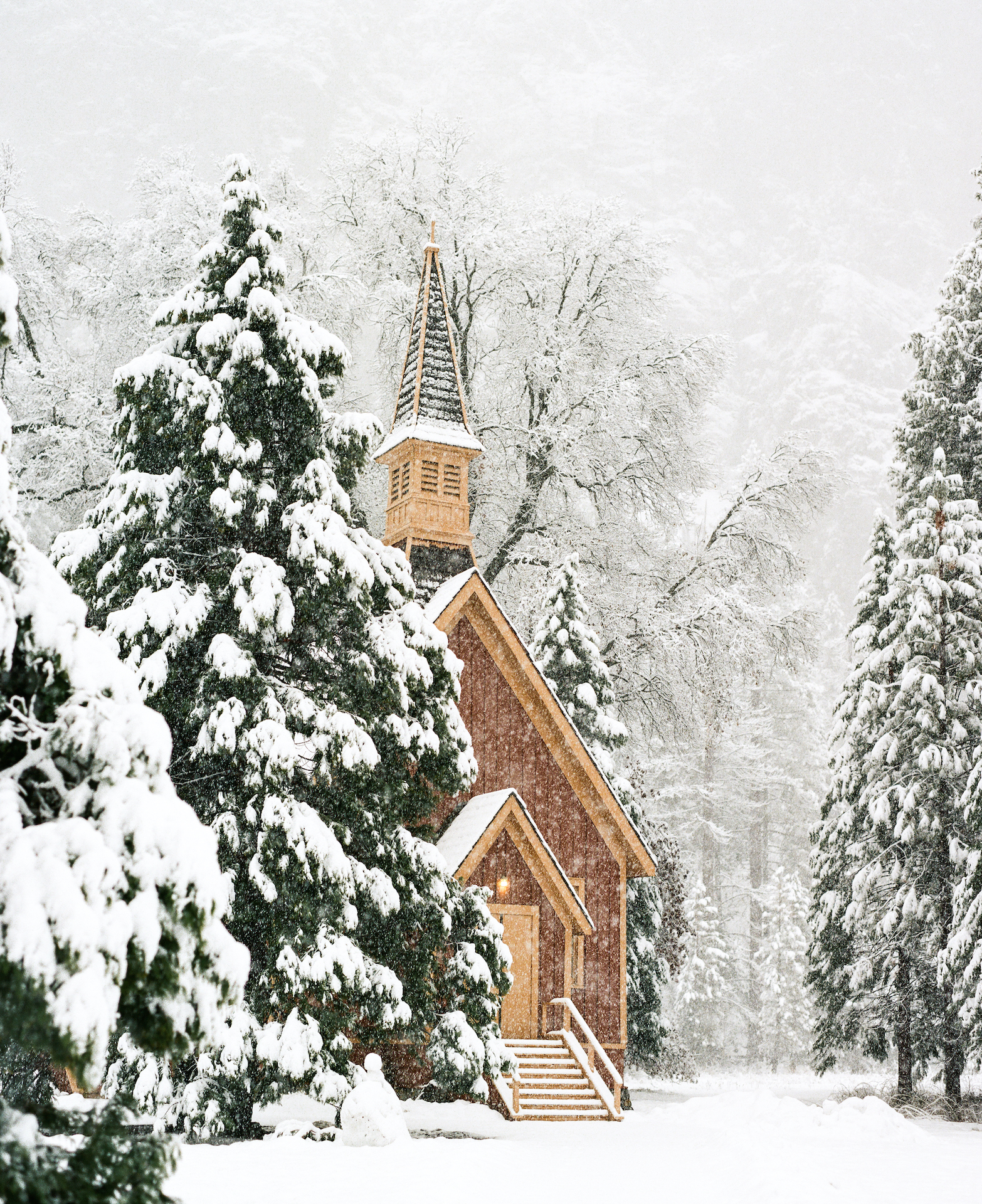
If you’ve never shot film, you might still be surprised by what it can produce. Different stocks offer their own color, contrast, grain, and exposure latitude. Highlights can roll off smoothly, and a well-exposed negative can retain an impressive amount of detail.
With larger negatives, those qualities become even more noticeable. Medium format film can deliver remarkable detail, smooth tonal transitions, and a distinct sense of depth. Paired with a high-quality scan – especially one of our Super Scans – it can produce results that continue to surprise even experienced digital photographers.
Why the Process Feels Personal
Most people don’t fall in love with film because of the final image alone. They fall in love with the process. Loading a roll, setting exposure, focusing, the shutter should, advancing the film, and knowing you have a limited number of frames all change how you approach photography.
Film slows you down and can make you more present. Its limitations encourage patience and intention, both for the photographer and the person being photographed. You become more selective, more engaged, and more aware of the moment in front of you.
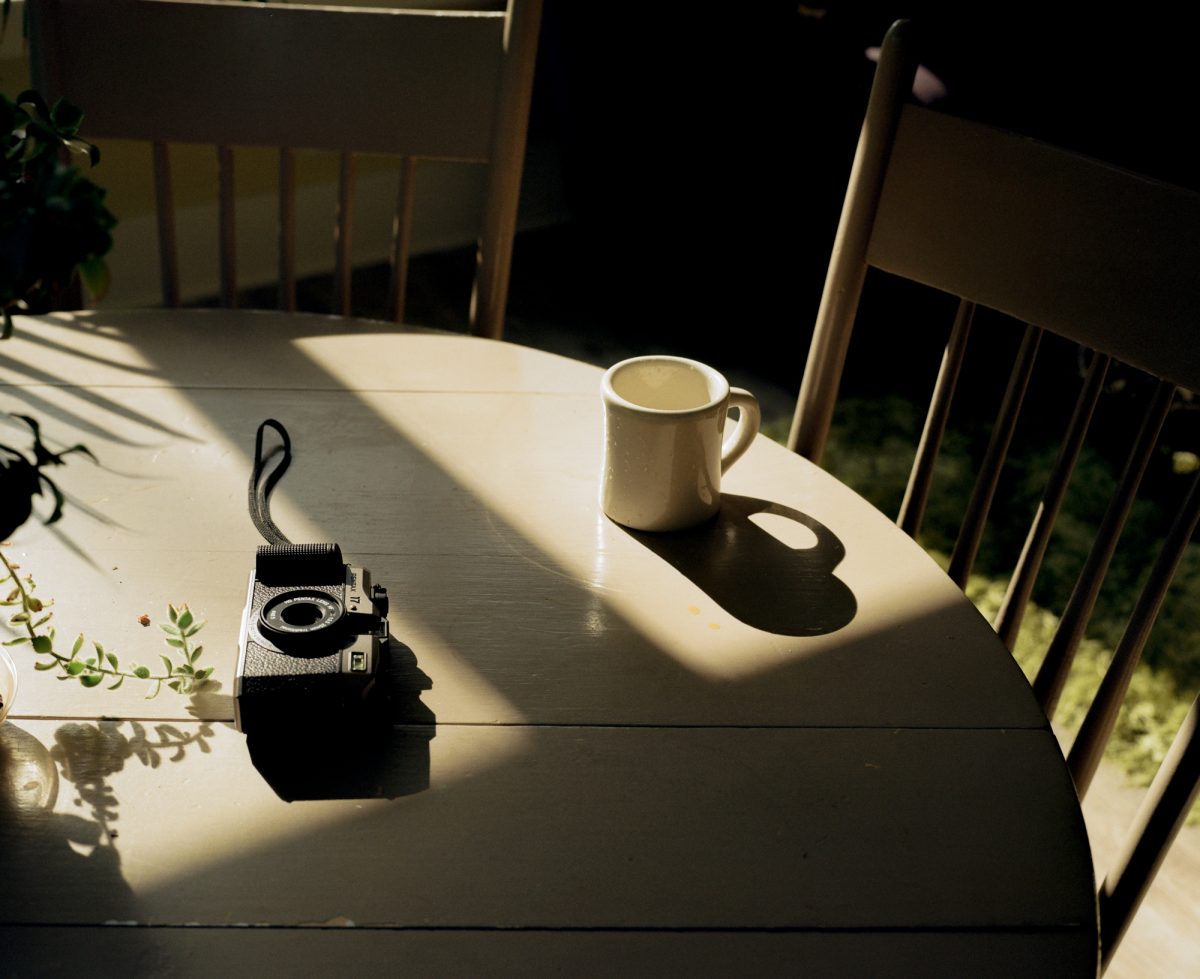
Hannah Lee describes film as “The handwritten letter of photography,” and that idea fits perfectly. You can send a thoughtful email and the message still matters, but writing those same words by hand adds care and meaning. The process becomes part of the message. Film works in much the same way, and that human connection often shows up in the photographs themselves.
Why Film Feels Meaningful in the Age of AI
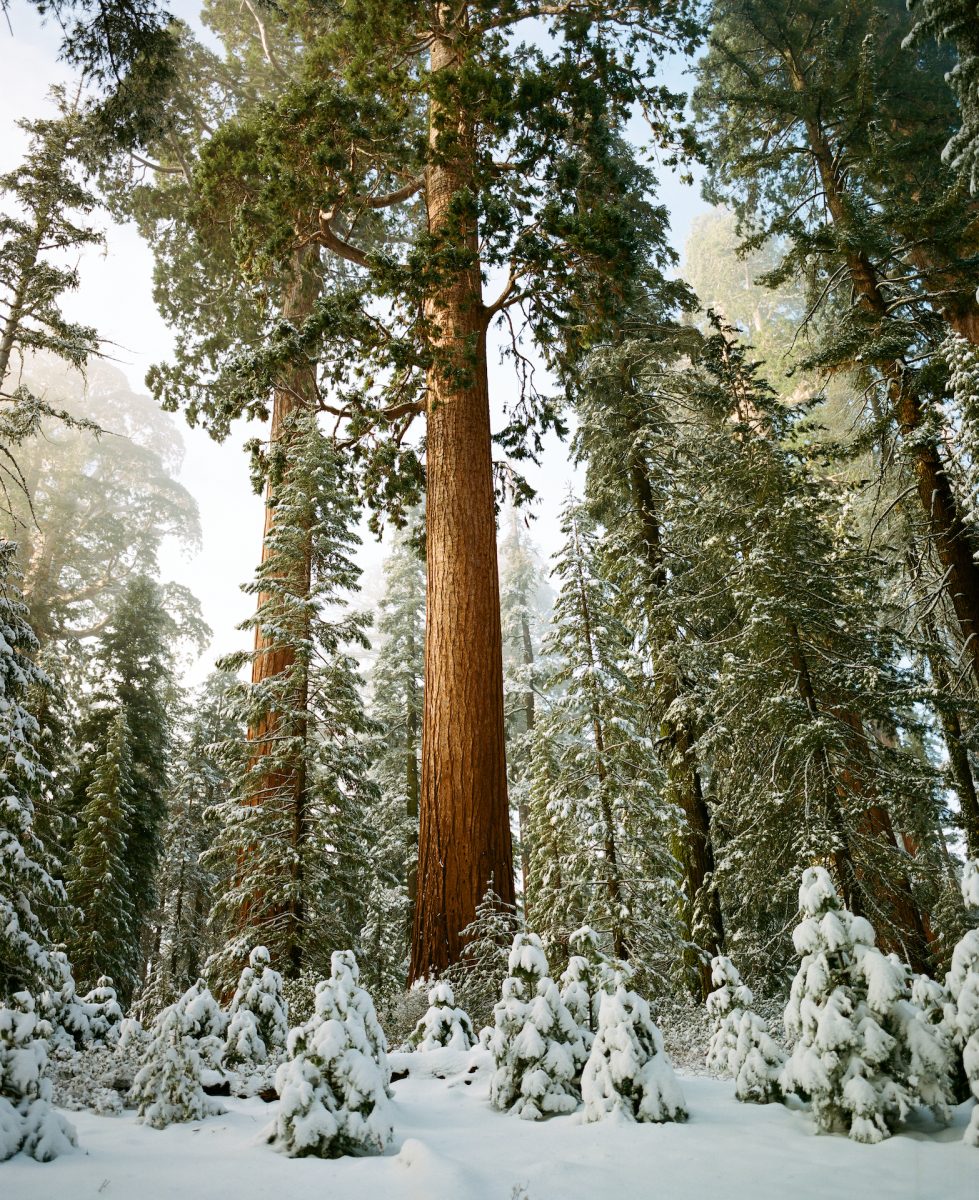
As AI generated images become more common, film stands apart. The waiting, imperfections, and unpredictability are part of the experience. Each photograph begins with light physically interacting with a piece of film inside a camera.
Film also creates a physical negative: a tangible, long-term record of the image you made. There is something grounding about knowing a photograph exists beyond a screen, a cloud account, or a digital file.
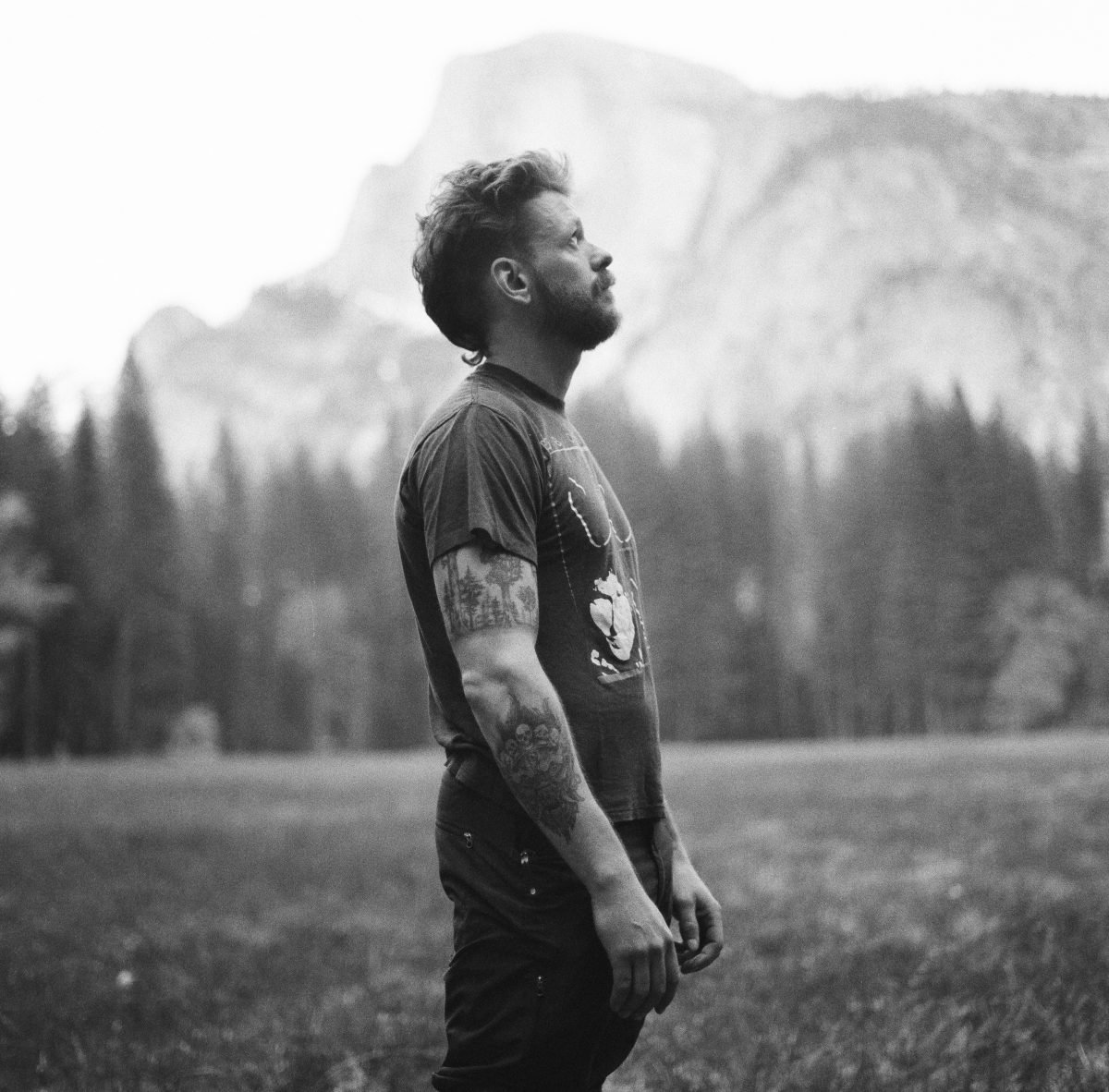
That slower process can change how you see the everyday. Quiet streets, gas stations at night, small details, or light hitting a wall just right begin to feel worth noticing. Film encourages you to find creativity in ordinary moments, and that awareness often stays with you even when you return to digital.
Film Can Refresh the Way You See The World
Picking up a film camera can shift your mindset. With fewer frames and no screen to check after every exposure, you learn to trust your decisions. You may notice yourself waiting longer, looking more carefully, and pressing the shutter only when a moment feels right.
That mindset doesn’t disappear when you put the film camera down. The patience and awareness you practice with film can carry into every kind of photography. It’s not about choosing one medium over the other. It’s about allowing each one to influence how you see and make pictures.

Why Prints Still Matter
Film’s physical nature doesn’t end with the negative. Printing photographs completes the experience by turning an image into something you can hold, display, share, and return to.
Whether you shoot film or digital, we strongly recommend printing your photos. Prints give images weight and permanence. They turn moments into objects rather than files you scroll past.
At The Darkroom, we make true photographic color and black-and-white prints from both film and digital files using traditional silver-based processes that bring depth, richness, and longevity to your images.
The Amazing Film Community
Photography can be a solitary practice, and meaningful connection is easy to lose in fast-moving social feeds. Film has a way of bringing people together through a shared curiosity and an openness around process, experimentation, and learning.
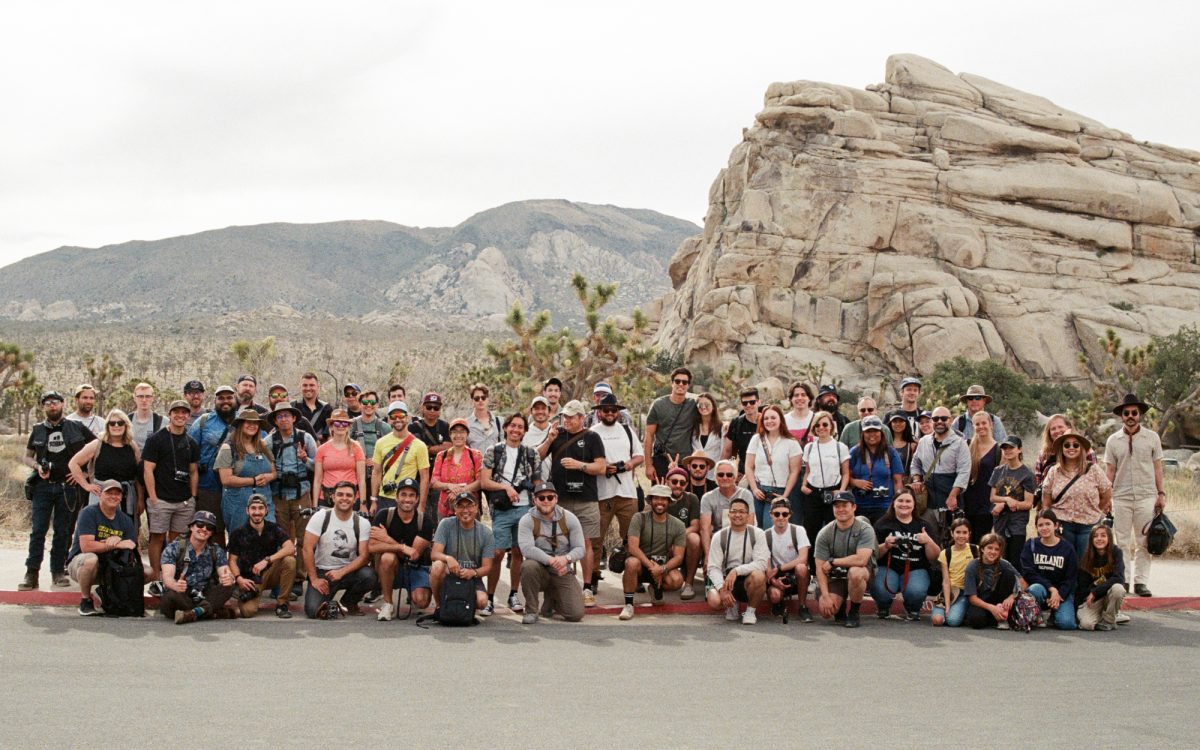
At The Darkroom, community has always been a major part of what we do, from sharing customer photographs to hosting large photo walks and in-person meetups. Film becomes common ground. It starts conversations and turns photography into a shared experience rather than something we only do alone.
Getting Started With Film Is Easy
If you’ve never shot film, start simple. Try a single use camera, a point and shoot, or an affordable film camera. Load one roll and photograph what is already around you.
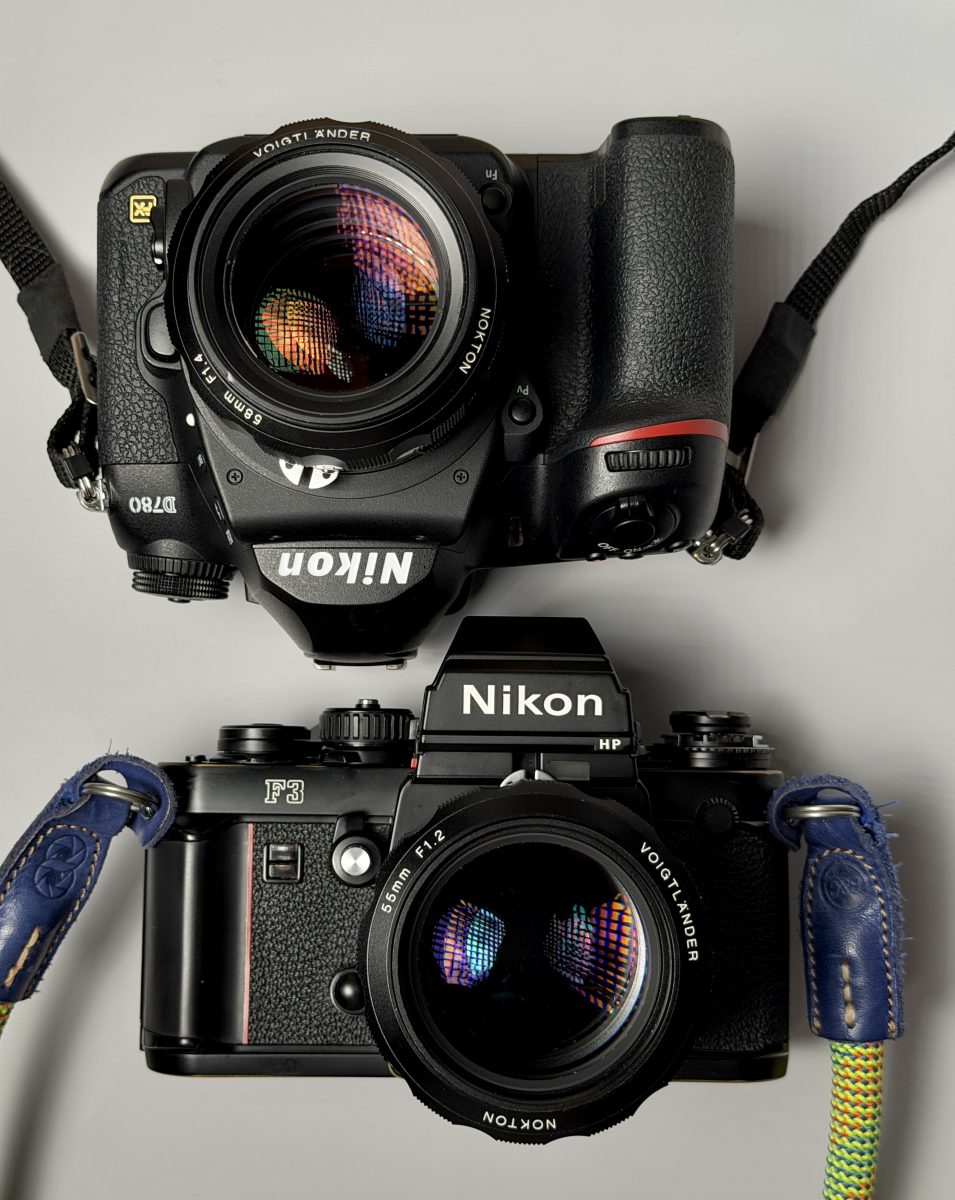
If you already shoot digital, getting started with film may be easier than you think. Many photographers already own lenses that can work with both film and digital bodies. Canon EF lenses work with Canon EOS film cameras, while many Nikon F-mount and Pentax K-mount lenses can be used across compatible film and digital systems. Just be sure to check your specific body and lens, since features like autofocus and metering can vary.
The compatibility can also work in the other direction. Modern mirrorless cameras can adapt an enormous range of vintage film lenses, giving those lenses a second life on digital. Getting into film might give you one more excuse to buy another lens – but it can also give you a lens with unique character that you can enjoy across both systems.
At The Darkroom, we develop, scan, and print film every day using traditional dip and dunk processing paired with modern convenience. We offer a free inbound mailer, easy online ordering, a mobile app, and digital delivery of your scans.
Your scans are uploaded to your account, where you can view, edit, download, share, and archive them.
Why Film Still Matters in 2026
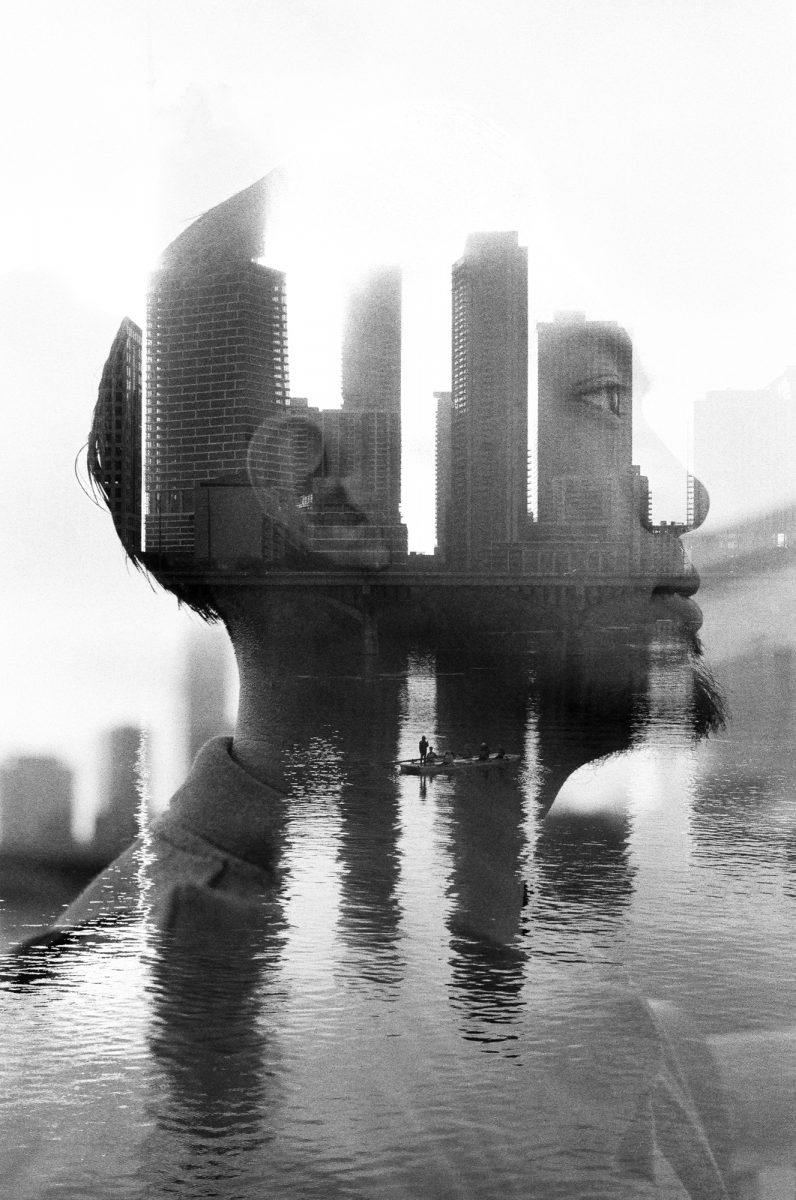
Film isn’t solely about nostalgia or rejecting technology. Photography isn’t only about the finished image – it’s also about how that image was made. The attention, anticipation, imperfections, and physical record all become part of its meaning.
Film is the handwritten letter of photography: less immediate, more deliberate, and meaningful partly because of the process. You don’t have to choose between film and digital. Keep using the tools that work for you – but shoot a roll and see how differently it makes you look at the world.