











 FAQ
FAQ


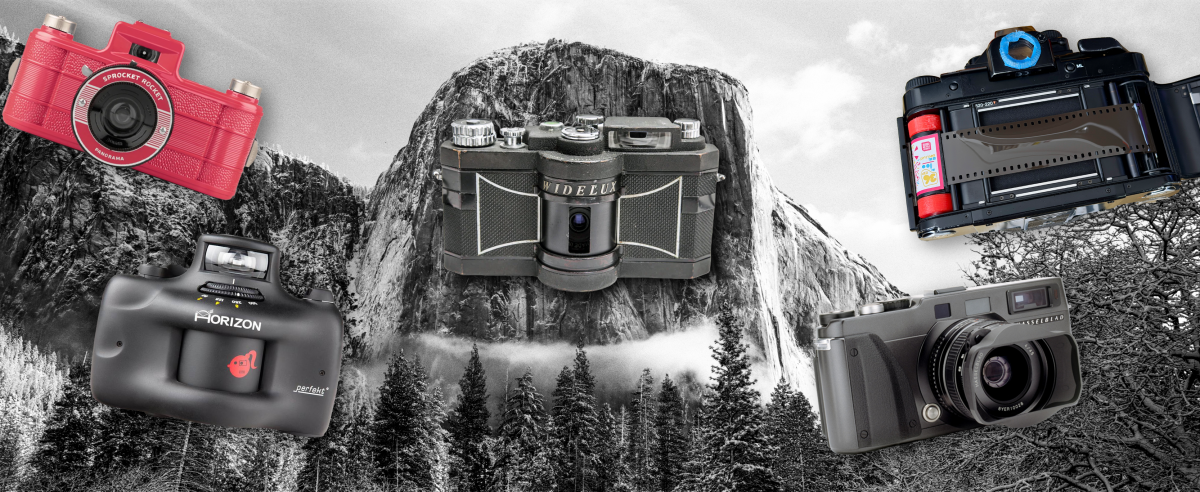
Panoramic photography is having a moment again, and it’s easy to see why. There’s something about a wide panoramic frame that feels more cinematic and immersive than traditional 35mm photography. A big part of that renewed excitement comes from the newly announced WideluxX camera, developed in collaboration with Jeff Bridges and Silvergrain Classic. It’s a modern reimagining of one of the most iconic panoramic film cameras ever made. With a price around $4,400, it’s clearly not for everyone, but it also highlights just how specialized and difficult these cameras are to manufacture.
Before diving into specific cameras, it’s worth noting that while all of these options technically shoot 35mm film, anything larger than a standard 35mm frame is essentially pushing into medium format territory. That means wider negatives, more detail, and often surprisingly impressive sharpness and resolution. And no matter which panoramic route you choose, we develop, scan, and print panoramic film everyday here at The Darkroom, including sprocket exposures and non-standard panoramic formats.
Widelux Cameras: The Iconic Panoramic Icon
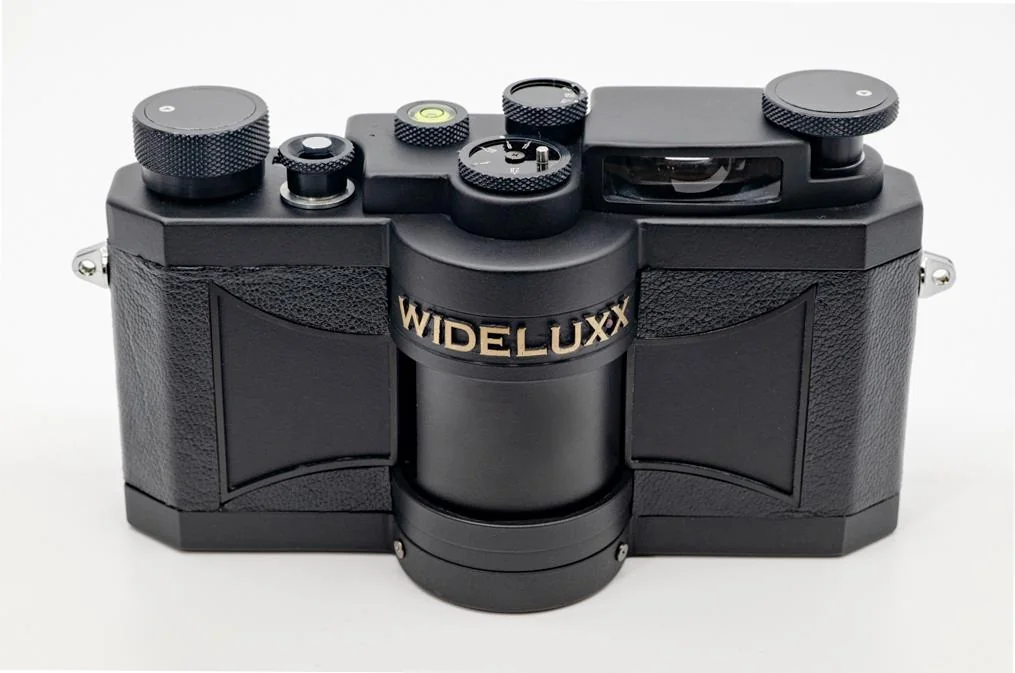
Widelux cameras are where panoramic 35mm photography really carved out its identity. Instead of using a traditional shutter, Widelux cameras feature a swinging lens that rotates during the exposure, scanning the scene from side to side. This creates a panoramic image with a distinct look that’s difficult to replicate with a traditional fixed lens.
Over the years, there have been several models, including:
- Widelux F6
- Widelux F7
- Widelux F8
Each version refined the design, with the F8 being one of the most well-known later models. The newly announced WideluxX builds on this legacy, bringing modern production back to a design that many thought was gone for good.
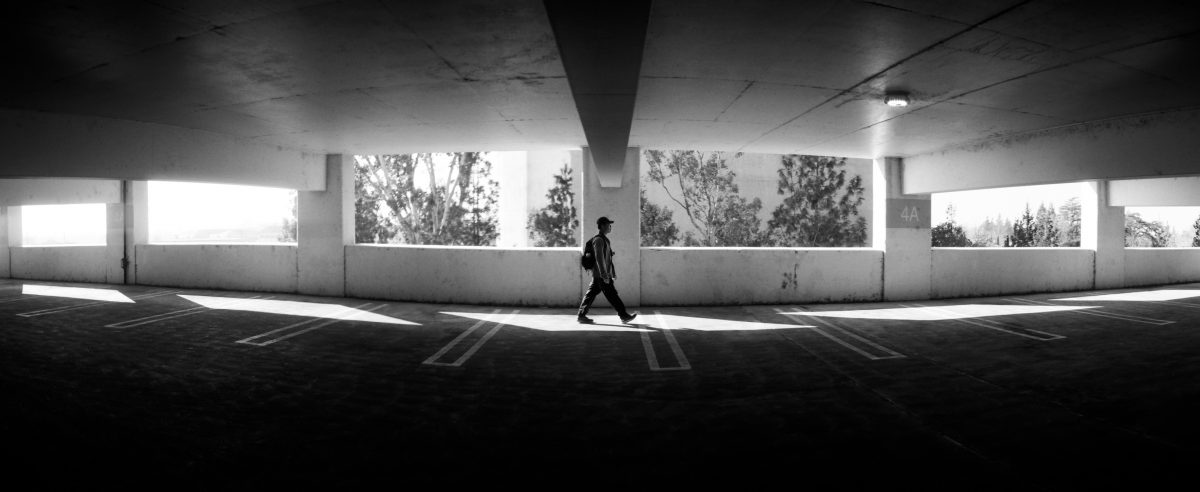
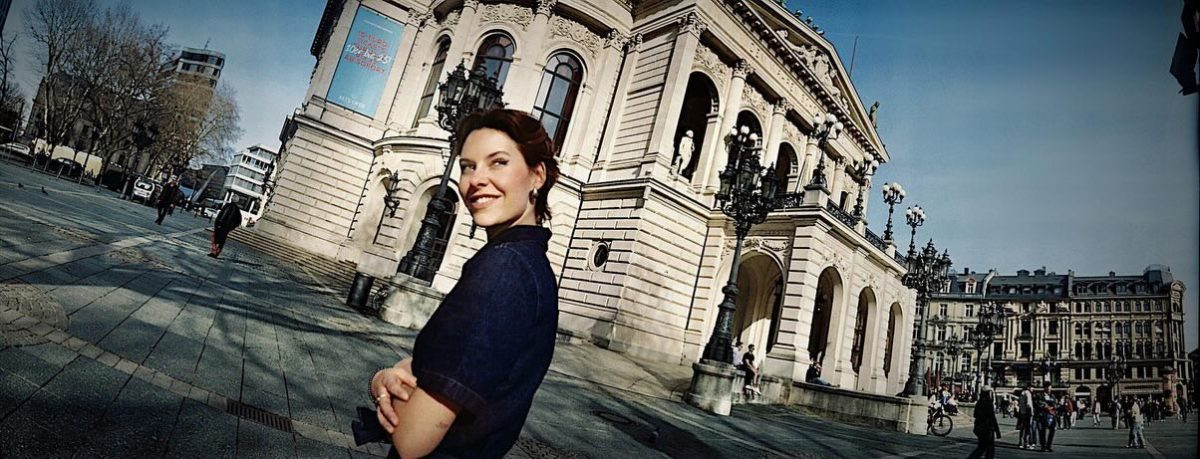
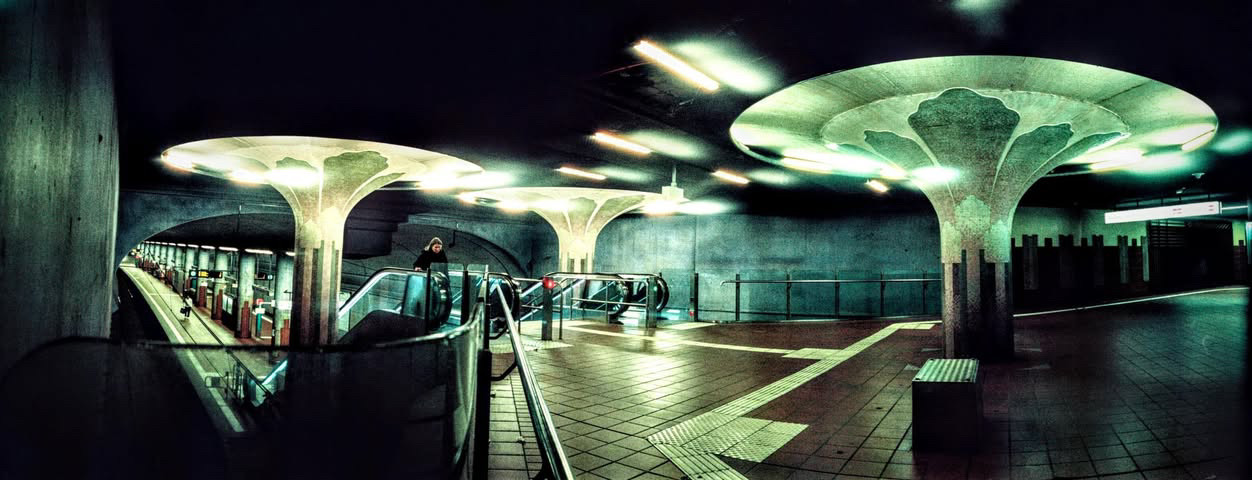
The Widelux has a lot going for it. Its biggest strengths are the incredibly unique panoramic images created by the swinging lens, its relatively compact size compared to many panoramic cameras, and its fully mechanical operation, which doesn’t require batteries. Another surprising advantage is that, thanks to the swinging lens design, these cameras often perform remarkably well at slower handheld shutter speeds, provided you stay relatively still during the exposure.
That said, there are a few tradeoffs. Widelux cameras are expensive, can be difficult to repair due to their complex mechanical design, and have a bit of a learning curve when it comes to loading and shooting. They’re also fixed focus and optimized for subjects at or near infinity, so if you’re photographing subjects closer to the camera, it’s best to stop down to around f/11 or smaller to increase depth of field. Otherwise, foreground subjects may appear out of focus.
Horizon Perfekt (and Other Horizon Models)

Horizon cameras are one of the most accessible ways to get into true panoramic photography. The brand produced several models over the years, including:
- Horizon Kompakt
- Horizon 202
- Horizon Perfekt
The one we’ve spent the most time with is the latest model, Horizon Perfekt, and it’s a standout.
- 28mm f/2.8 lens
- ~120° field of view
- Fully mechanical operation
- Shutter speeds from 0.2s to 1/500
Like the Widelux, it uses a swinging lens design, but with more flexible shutter speeds. While it’s built with more plastic and doesn’t feel as premium, the image quality is genuinely impressive and makes it one of the best value panoramic cameras available.
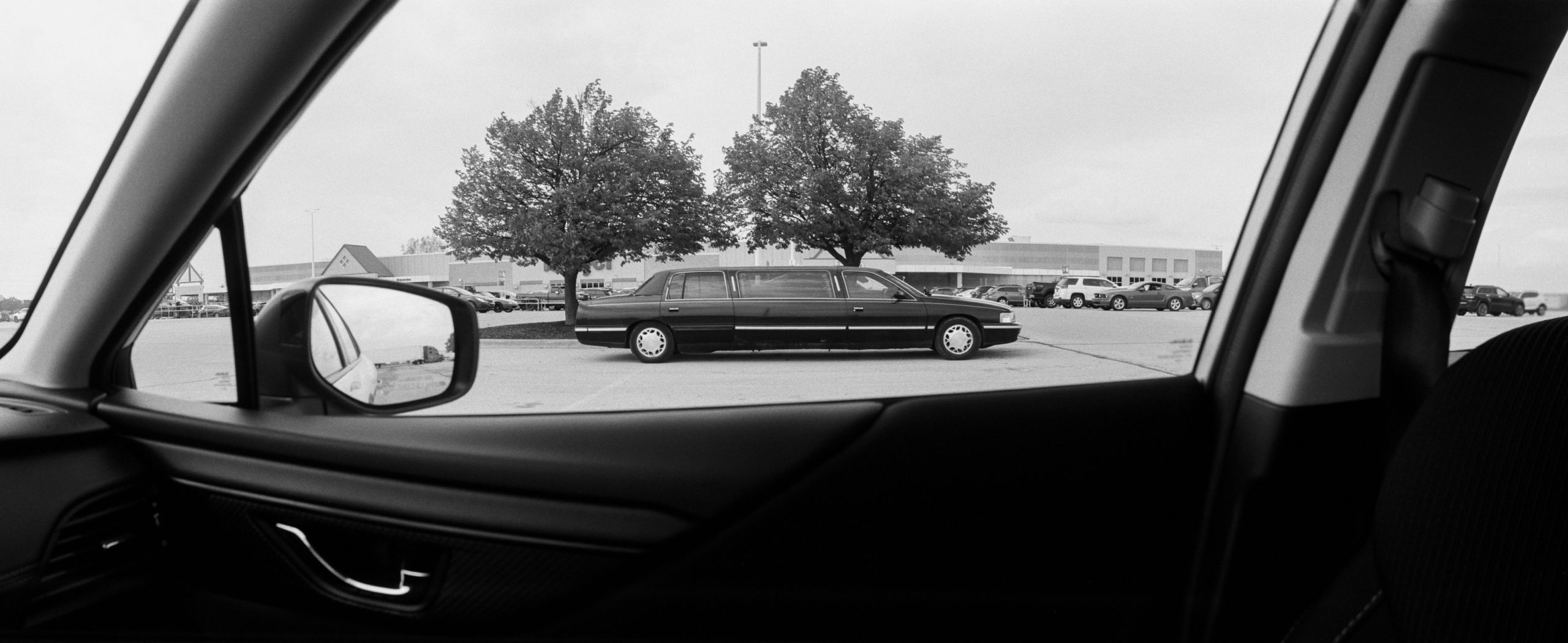
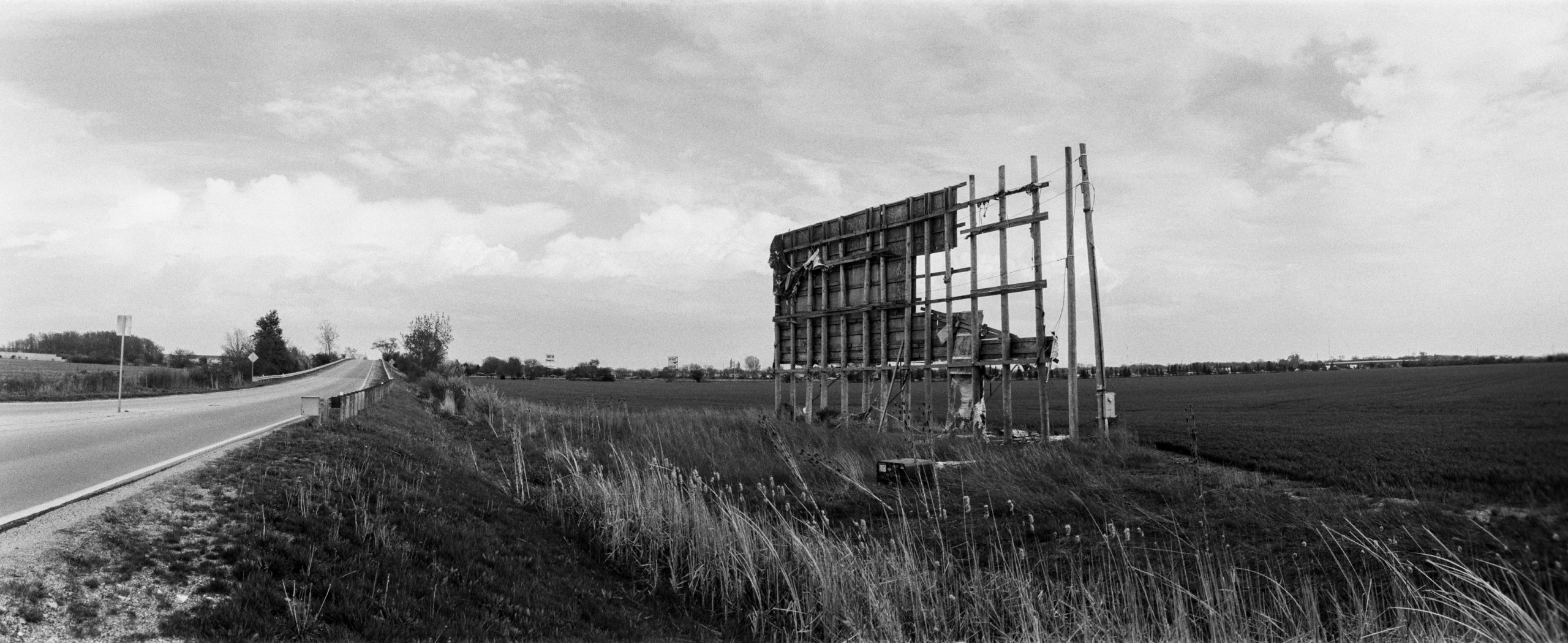
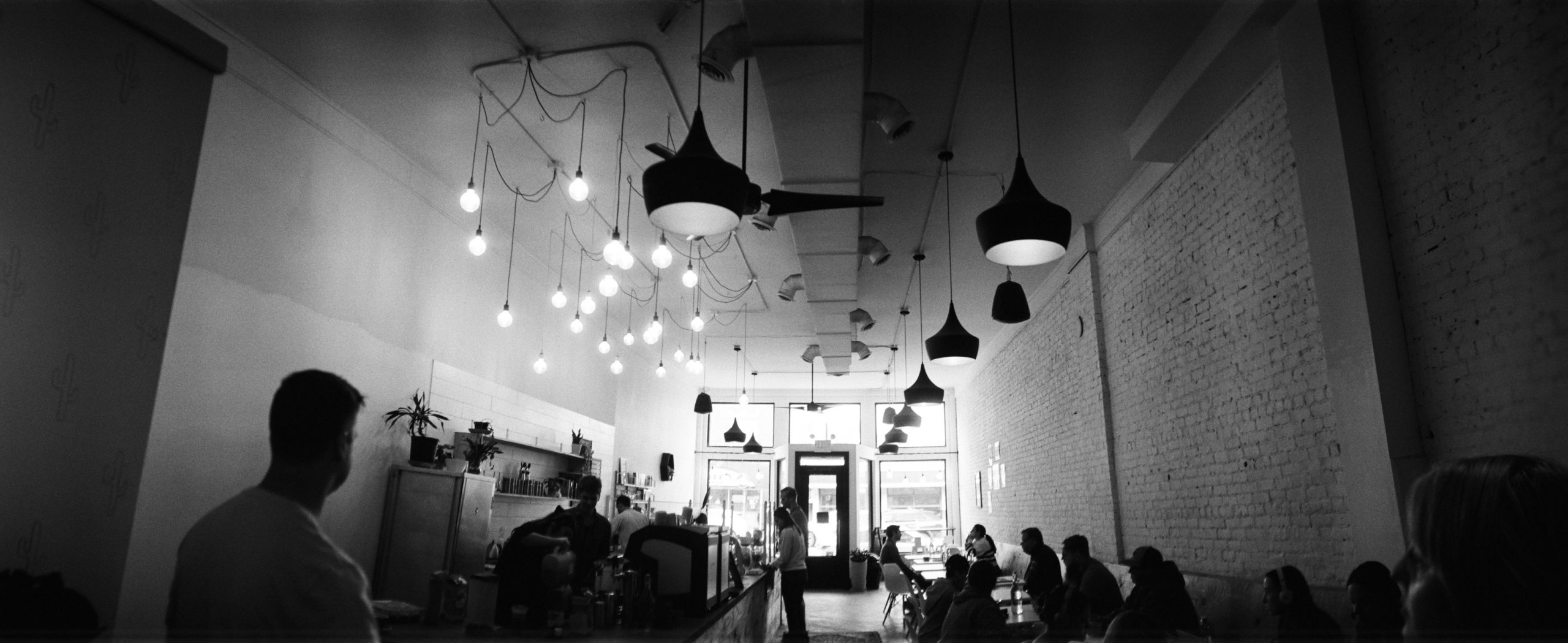
One of the biggest advantages of the Horizon Perfekt is its value. It’s significantly more affordable than most Widelux models while offering a wider range of shutter speeds and a centered viewfinder that many photographers find easier to compose with. Although it’s primarily made of plastic, it feels surprisingly robust and durable. Since it was introduced later than the classic Widelux cameras, it’s also generally a bit newer on the used market. Like the Widelux, it also performs surprisingly well handheld at slower shutter speeds, provided you remain relatively still during the exposure.
There are a few tradeoffs to keep in mind. Like the Widelux, the Horizon has a bit of a learning curve when it comes to loading film, especially the first few rolls. It’s also a fixed-focus camera that’s optimized for infinity, so if you’re photographing subjects closer to the camera, it’s best to stop down to around f/11 or f/16 to maximize depth of field. Because of this, we recommend shooting ISO 400 film or faster, or even ISO 3200 black-and-white film in lower light, to make those smaller apertures easier to use. Also, be mindful of where you place your hands – the 120° field of view is extremely wide, and it’s surprisingly easy to accidentally include a finger in the frame. Finally, while these cameras are generally reliable, repairs can be difficult if something does go wrong, as replacement parts and qualified repair technicians are relatively uncommon.
Hasselblad XPan
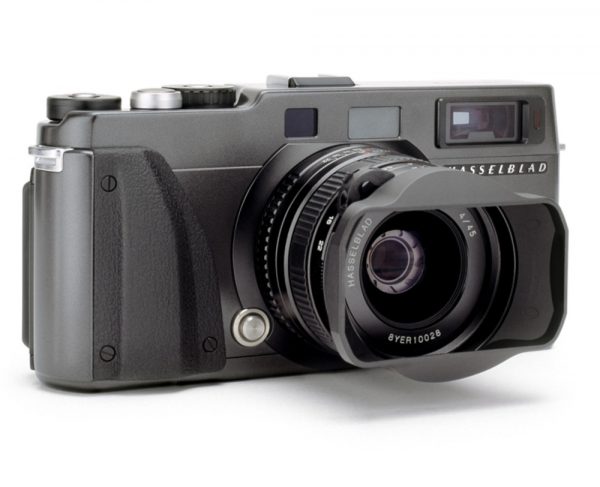
The Hasselblad XPan is often considered one of, if not the best, panoramic 35mm cameras ever made. Co-developed by Hasselblad and FujiFilm, the camera was released in both a Hasselblad XPan version and a Fujifilm TX-1/TX-2 version. Unlike swing lens cameras, the XPan creates a true panoramic negative using a traditional fixed film plane, resulting in incredibly sharp images with much less distortion.
One of the biggest reasons the XPan stands out is its interchangeable lens system. It offers:
- 30mm f/5.6
- 45mm f/4
- 90mm f/4
The image quality from these lenses is exceptional and often rivals medium format cameras in overall rendering and detail. Another major advantage is that the camera can switch between panoramic and standard 35mm modes mid-roll, giving it far more versatility than most panoramic systems.
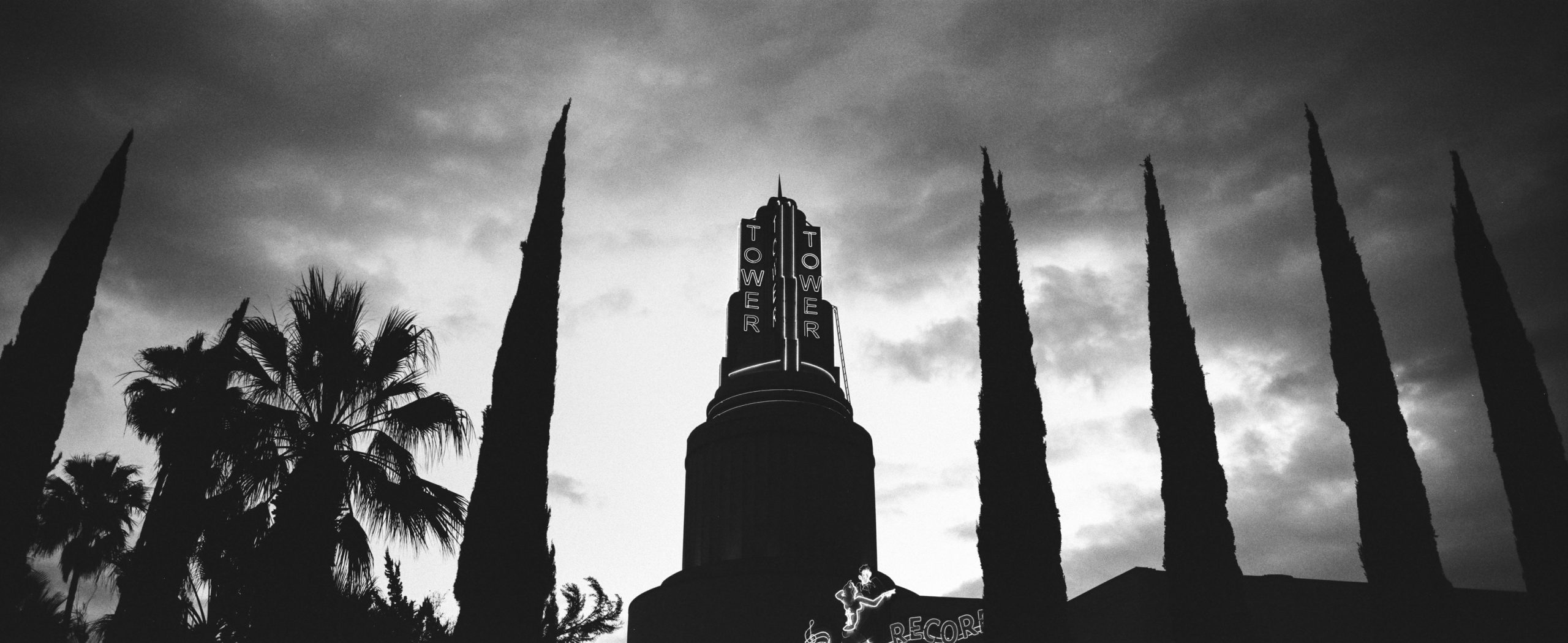
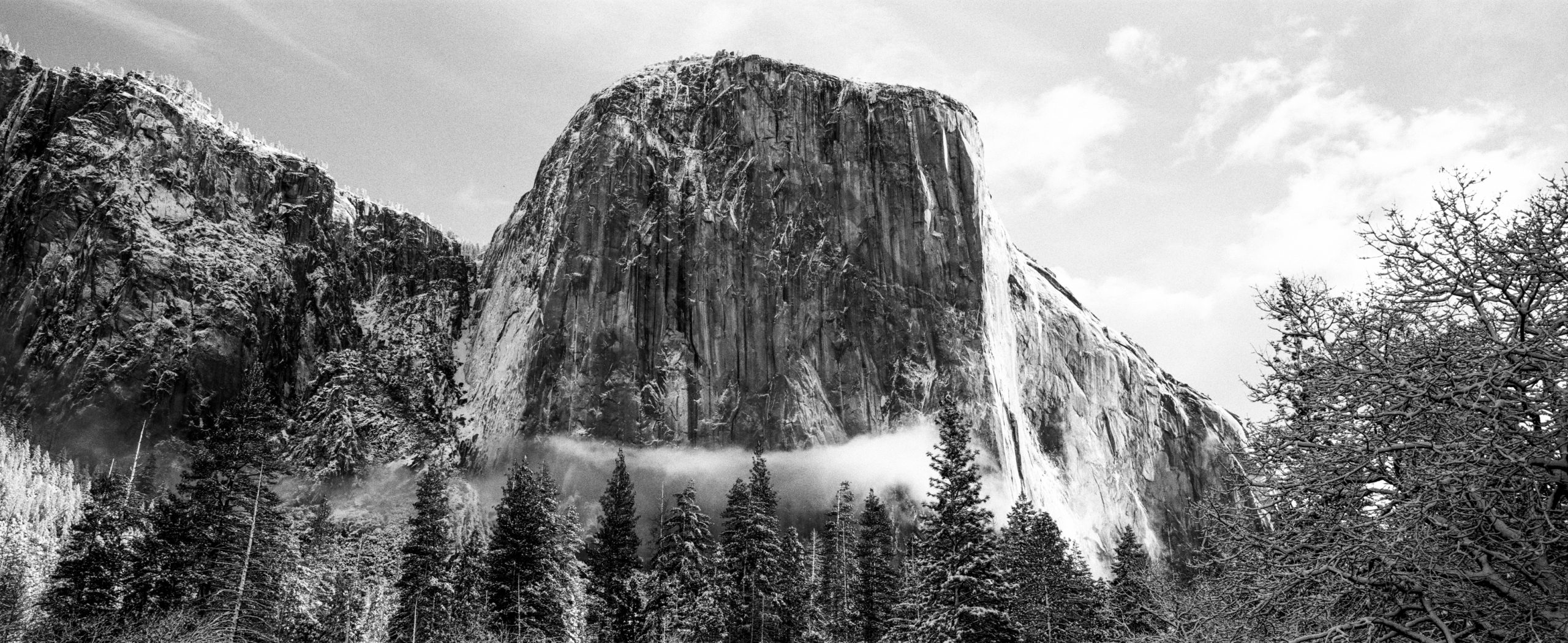
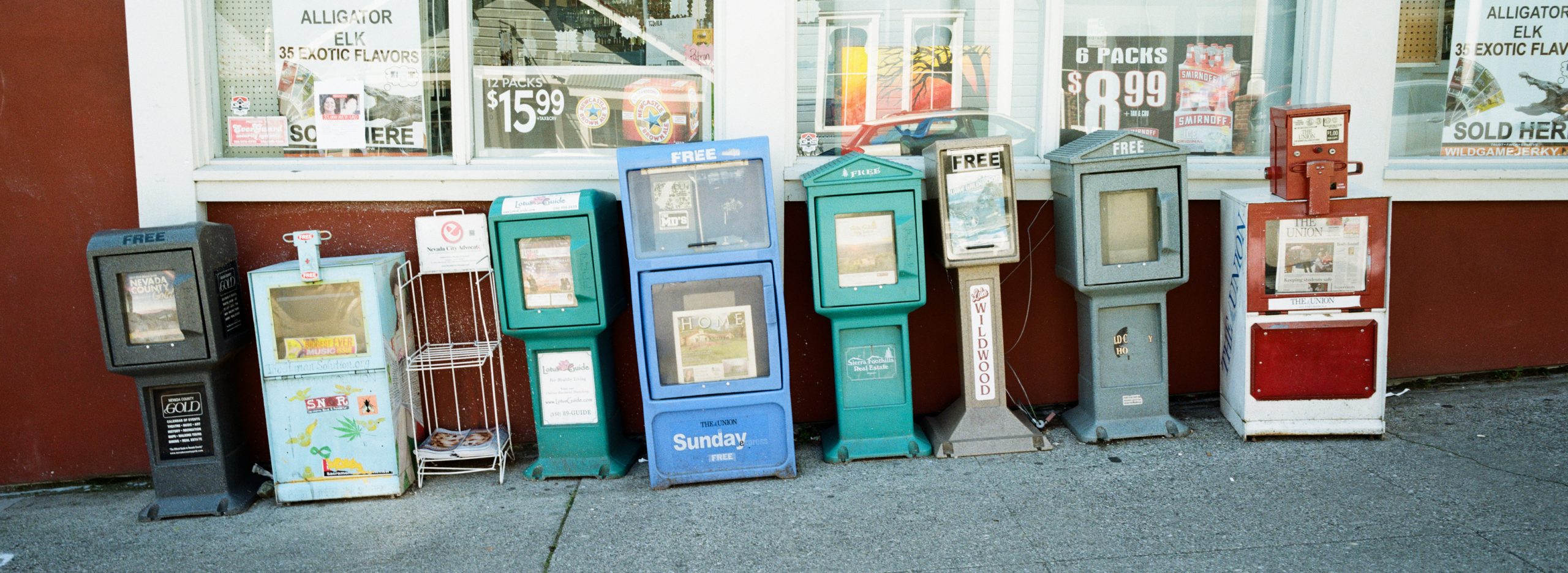
What also makes the XPan unique is the variety of focal lengths available. Most panoramic cameras tend to lock you into a very wide-angle look, but the XPan gives you multiple perspectives. The 30mm creates an ultra-wide panoramic image with dramatic perspective, while the 45mm delivers a more natural wide-angle panoramic look with less distortion. The 90mm is especially interesting because it introduces telephoto compression into panoramic photography, something that’s extremely uncommon with most panoramic cameras and not something many of the other options on this list can achieve.
The downside, of course, is the price. The XPan system has become incredibly expensive over the years, especially once lenses are added in. Because of that, it’s not the most realistic option for everyone. If the XPan is outside your budget, one of the best alternatives is adapting 35mm film into medium format cameras using panoramic adapters or 3D spacers, which we’ll talk about later in this blog. That setup also gives you the flexibility to shoot panoramic images with a variety of different focal lengths.
Lomography Sprocket Rocket
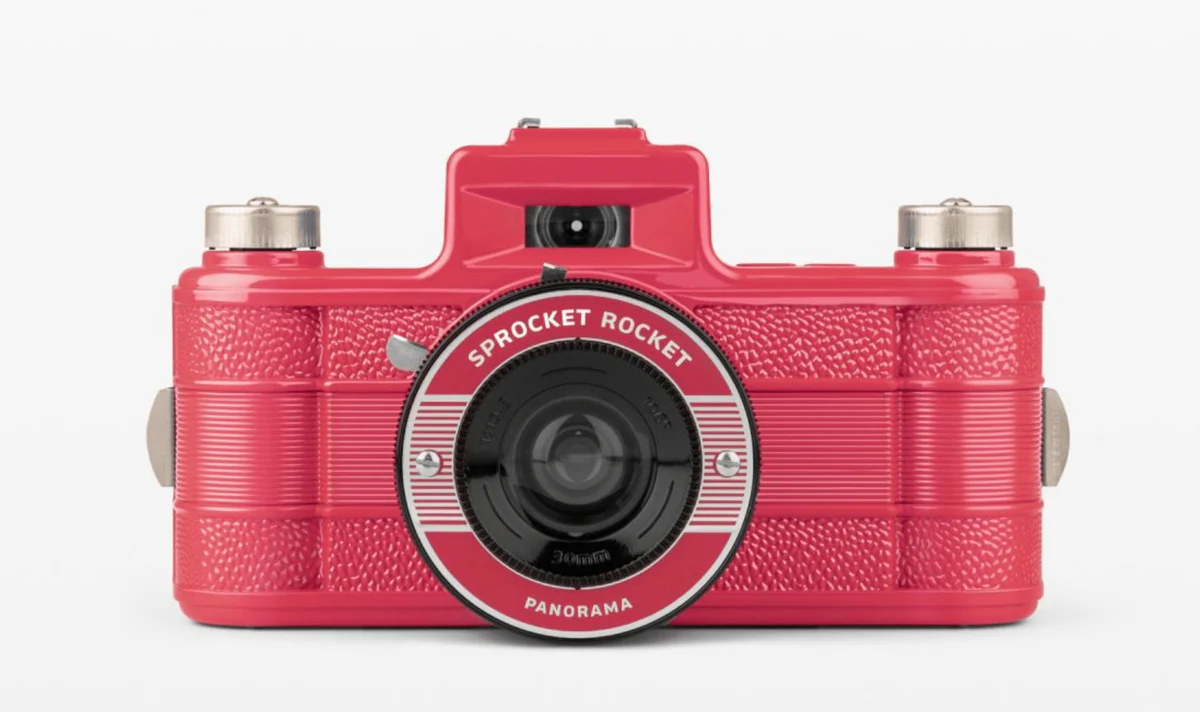
Lomography makes a few different panoramic cameras, including the Spinner 360, but our favorite that they offer is the Lomography Sprocket Rocket. It’s a much more affordable and approachable way to get into panoramic photography while still creating a very unique look.
Instead of using a swinging lens like the Widelux or Horizon cameras, the Sprocket Rocket uses a wide-angle lens that exposes not only the panoramic frame, but the sprocket holes as well. The result is a panoramic image that feels raw, experimental, and unmistakably film.
Now, while the Sprocket Rocket is incredibly fun to use and capable of producing some surprisingly good images, it’s important to note that it’s not going to deliver the same level of sharpness, precision, or overall image quality as many of the higher-end panoramic options listed here. But that’s also not really the point. What makes it so appealing is that it’s one of the most affordable and creative ways to experiment with panoramic film photography.
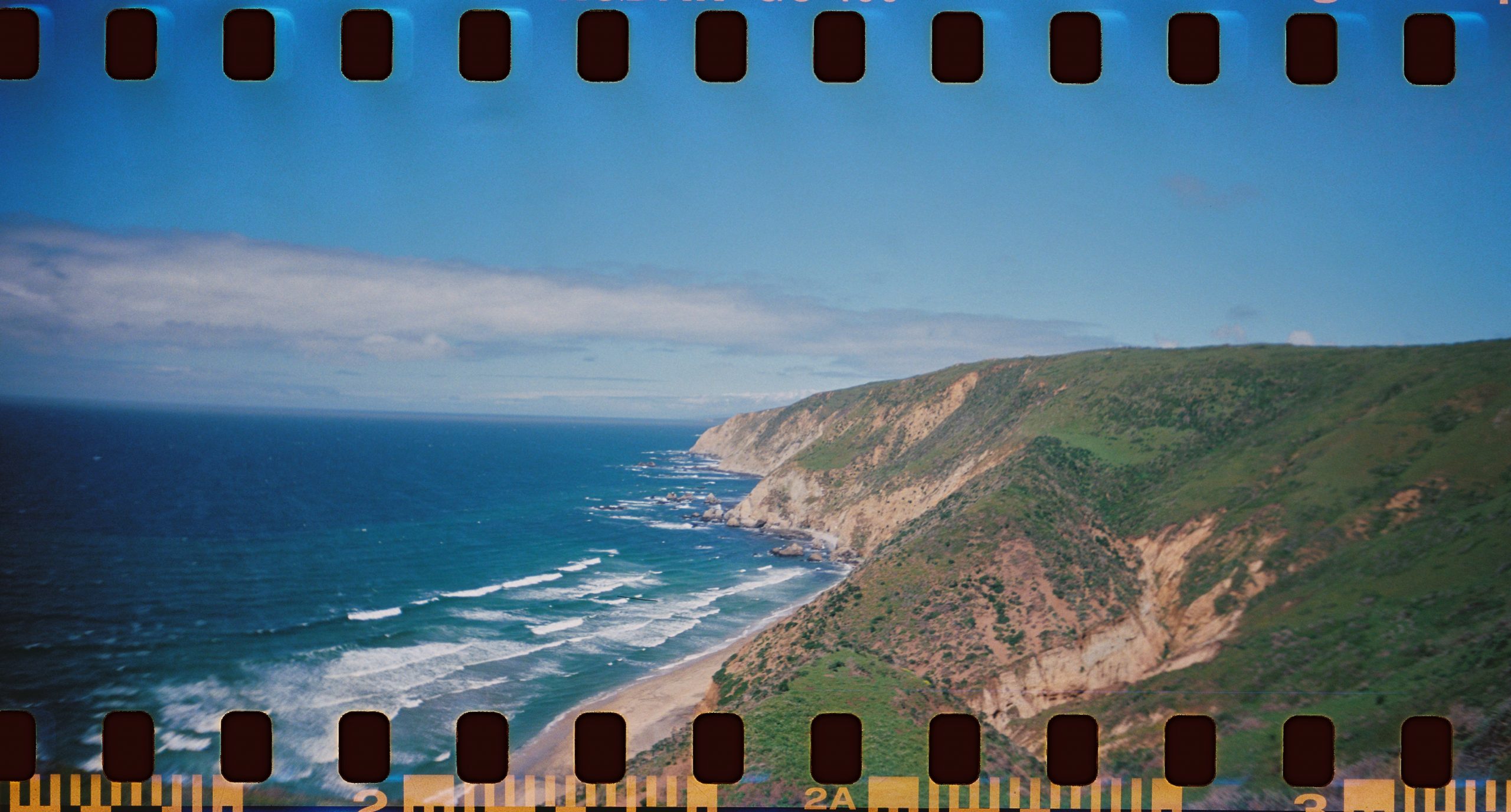
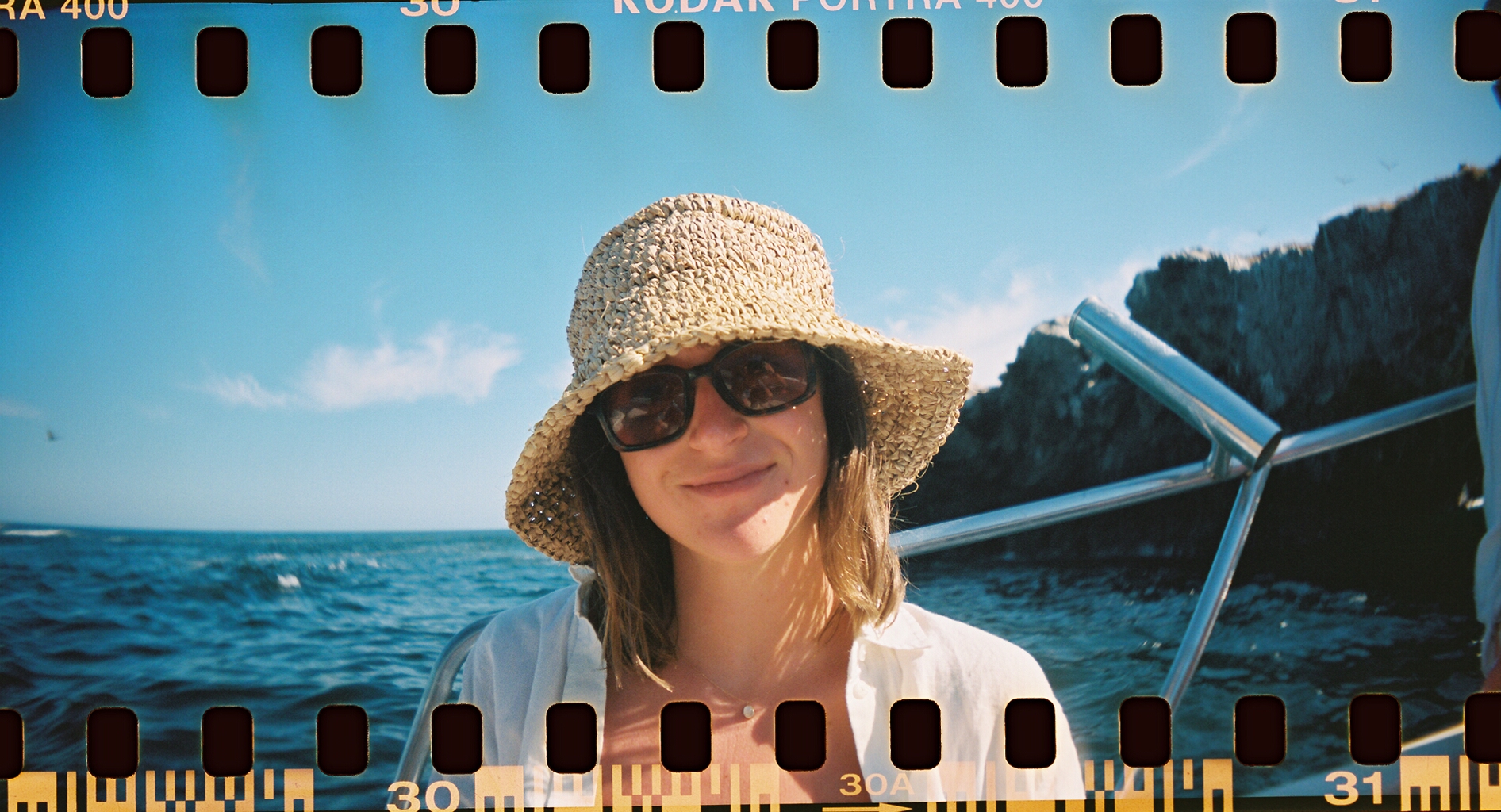
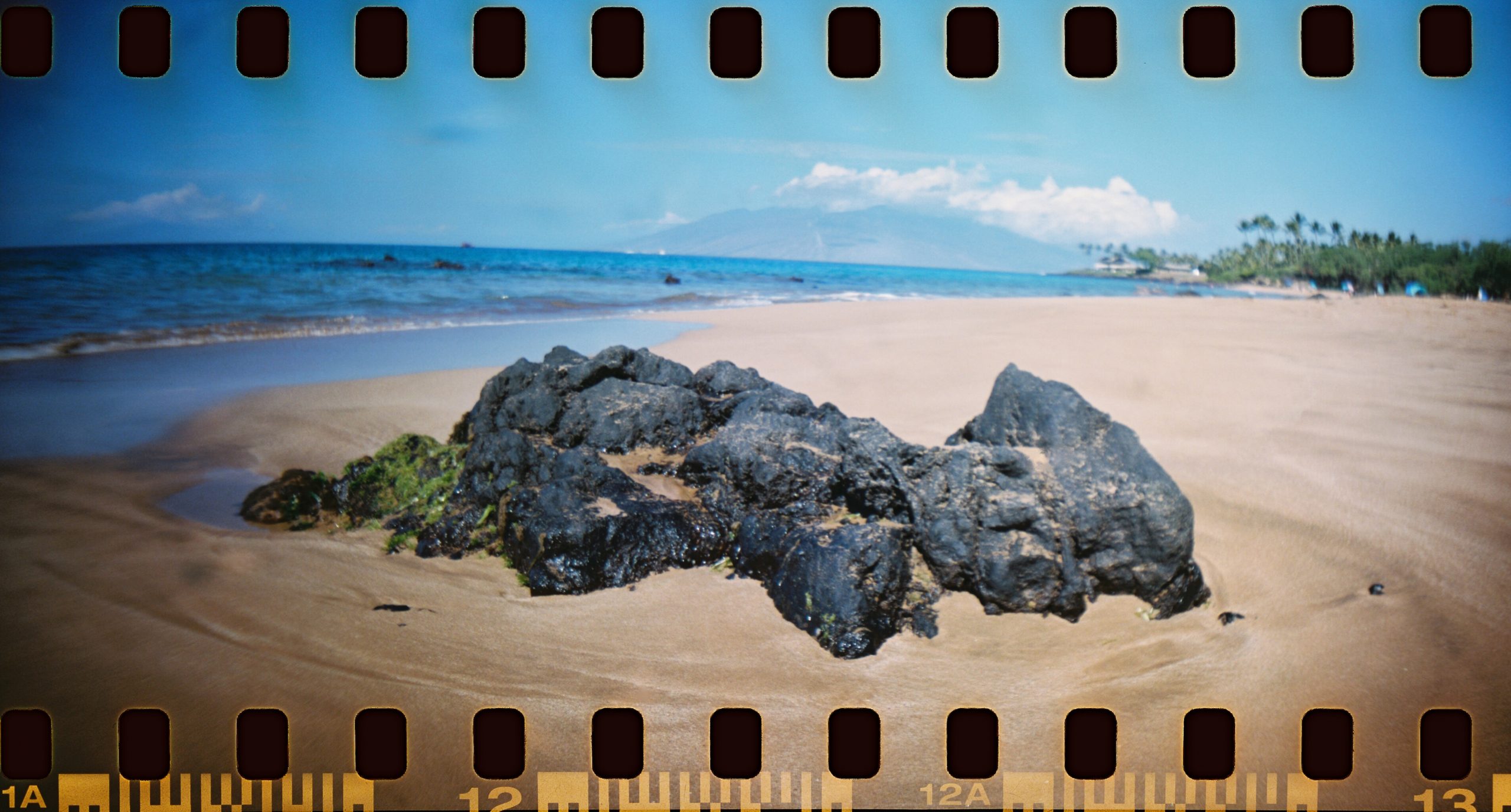
As you can see from the results, it creates a very different look compared to traditional panoramic cameras, especially with the exposed sprockets becoming part of the final image itself.
And here at The Darkroom, we can develop, scan, and print these panoramic sprocket images while fully preserving the exposed sprocket holes and borders that make cameras like the Sprocket Rocket so unique.
Using Medium Format Cameras for Panoramic 35mm
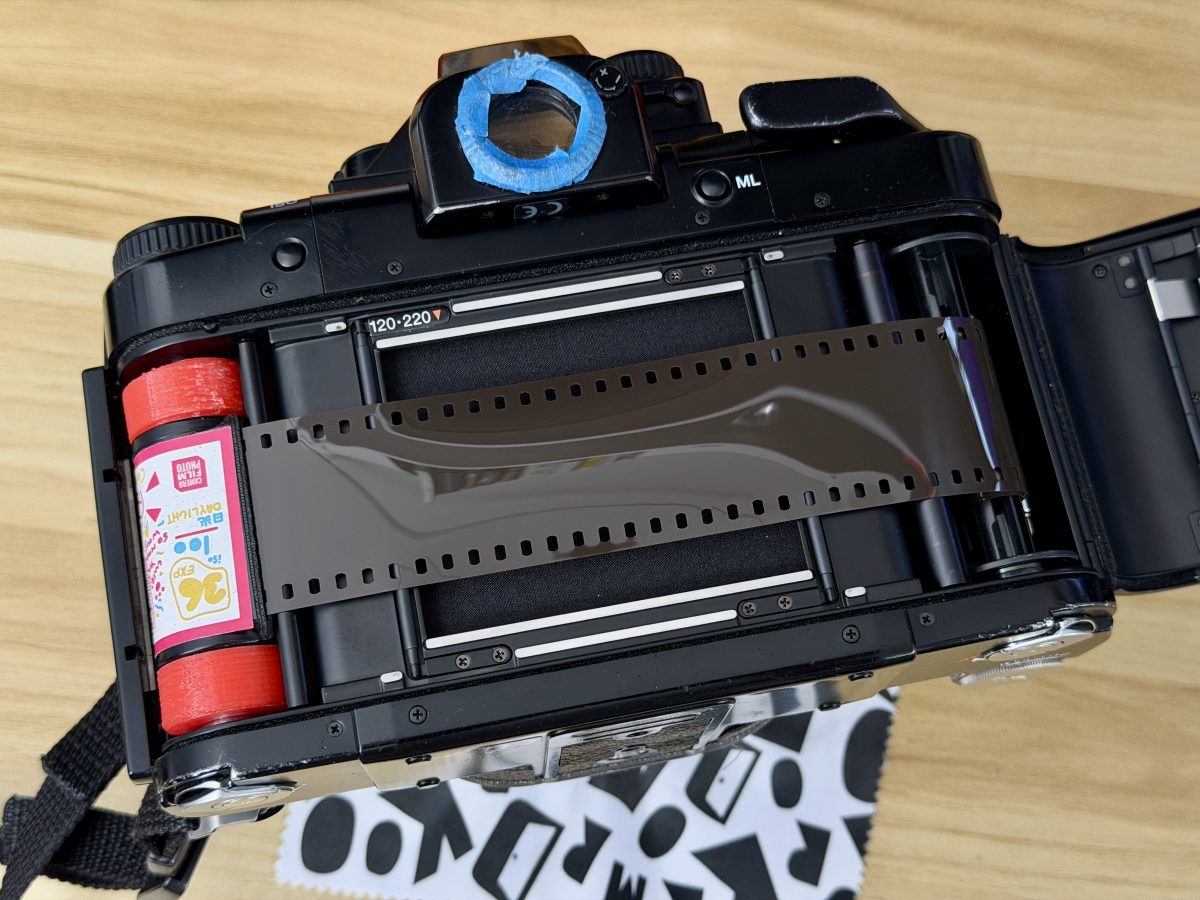
If you already own a medium format camera, you may already have access to panoramic photography by shooting 35mm film through it. Some medium format cameras offer dedicated panoramic adapters or 35mm backs that allow you to properly load 35mm film while providing exact panoramic frame lines. Other photographers use 3D-printed spacers that allow you to manually load 35mm film into the camera by attaching the film leader to the 120 take-up spool and advancing it manually.
Cameras like:
- Mamiya 7
- Hasselblad 500 series
- Pentax 67
- Rolleiflex
can all be adapted this way, and we’ve personally had great results doing it.
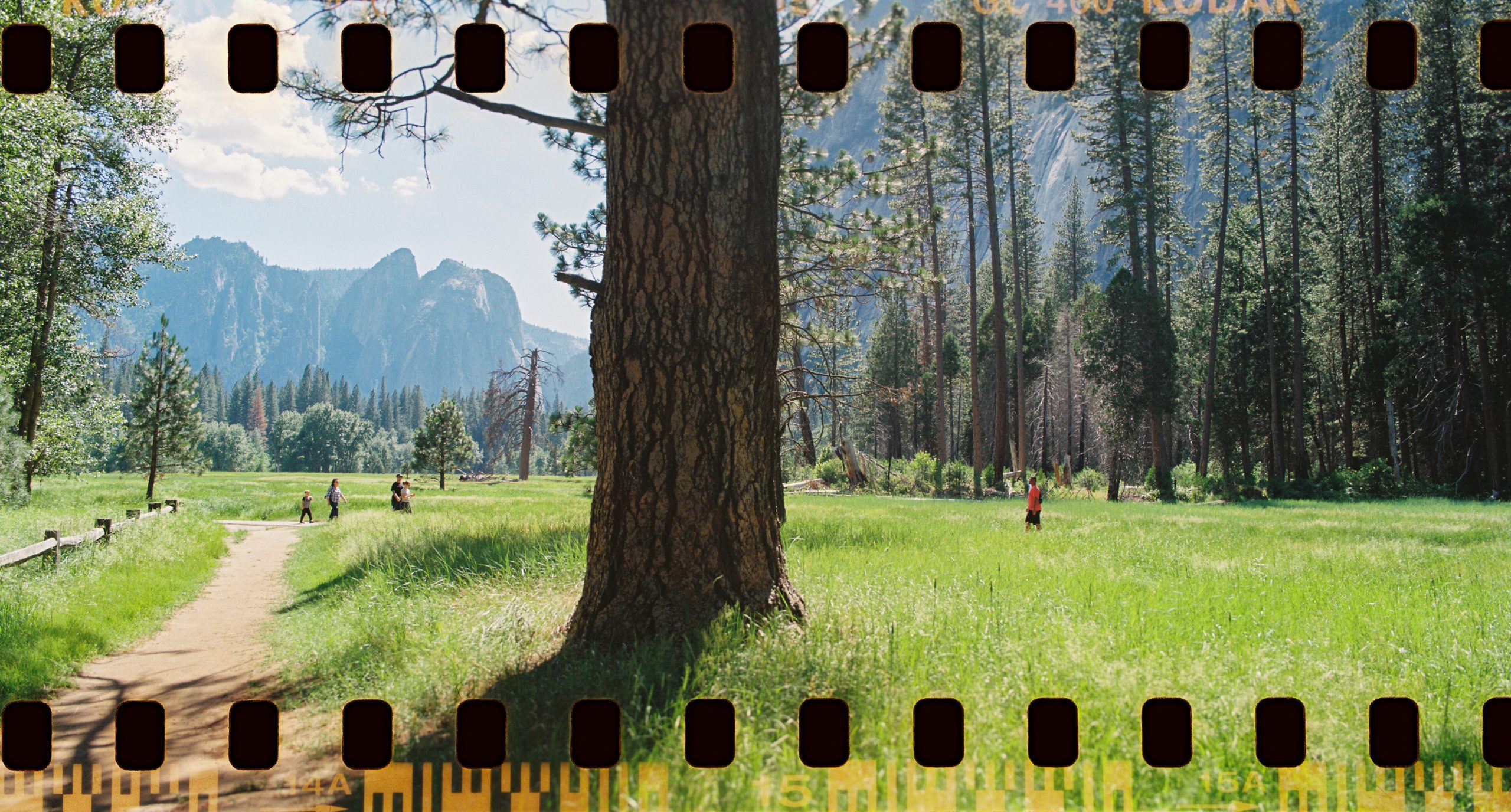
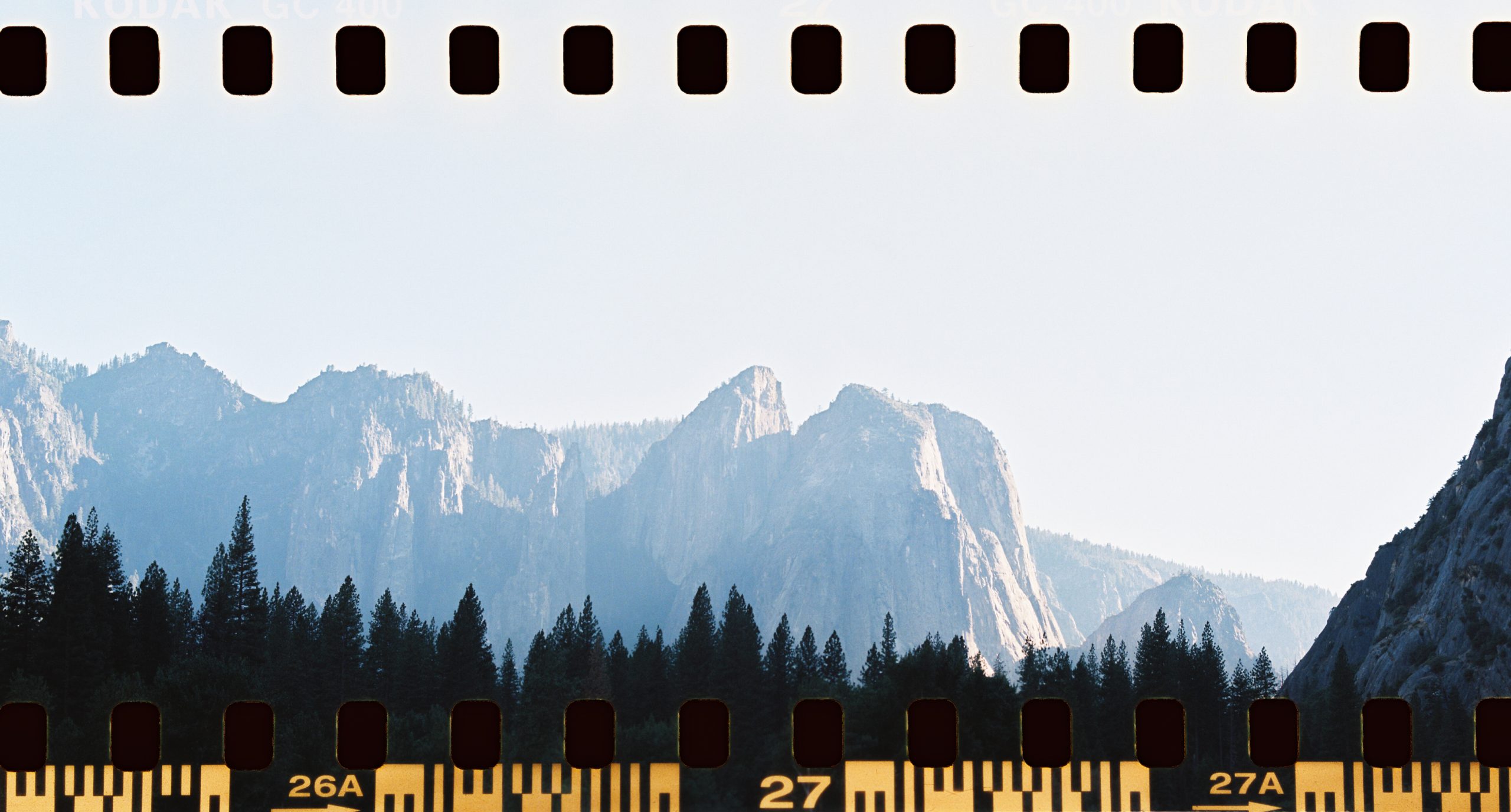
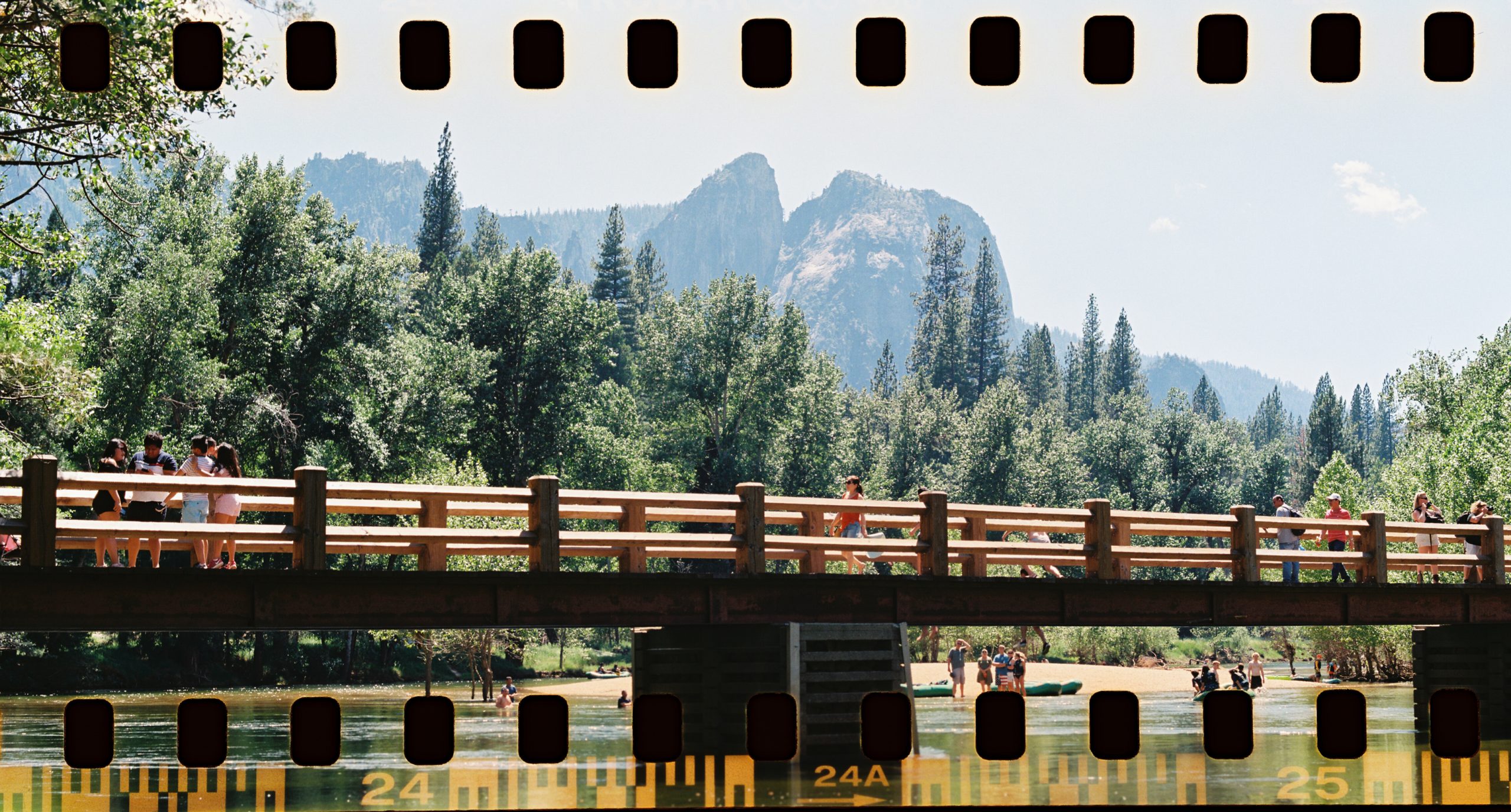
This setup allows you to expose a wider section of film, often including the sprockets, creating a unique panoramic image with increased image area and resolution. Just note that if you use 3D spacers, you’ll need a dark bag or darkroom to remove the film and rewind it back into the cartridge once finished. It’s definitely a little more hands-on, but also one of the most rewarding ways to experiment with panoramic photography.
Another thing to keep in mind is that different medium format cameras will create different panoramic aspect ratios depending on their native format. For example, a 6×6 camera will produce a less wide panoramic image compared to a 6×7, 6×8, or 6×9 camera. If you use a 3D adapter, the sprockets will usually be exposed, while dedicated panoramic backs typically mask them off for a cleaner frame.
One of the biggest advantages of this method is flexibility. Since you’re using interchangeable lens medium format systems, you can shoot panoramics with everything from ultra-wide lenses to more telephoto focal lengths, opening up a completely different look compared to most dedicated panoramic cameras.
“Panorama Mode” on Point-and-Shoots (What to Know)
Some point-and-shoot cameras, like the Olympus Stylus Epic, include a panoramic mode, but it’s important to understand that this is not true panoramic photography. These modes simply mask the top and bottom of the standard 35mm frame, cropping your image and reducing the usable negative area. Unlike the other cameras and methods mentioned throughout this blog, these modes are not creating a wider negative or capturing additional image area. They’re simply cropping a standard 35mm frame in-camera.
Because of that, we generally don’t recommend using the panoramic setting, since you can achieve the exact same result later by simply cropping the image yourself after scanning. If you’re looking for true panoramic photography with a genuine wide negative, increased image area, and the unique look that panoramic cameras provide, the options listed above are the way to go.
Final Thoughts
Panoramic photography opens up a completely different way of seeing with film. Whether you’re drawn to the mechanical precision of a Widelux, the versatility of an XPan, the affordability of a Horizon, or adapting a medium format camera to shoot 35mm, there are plenty of great ways to explore panoramic photography.
There are also a few notable cameras we didn’t cover in depth, such as the Noblex series and the Lomography Spinner 360. If we missed another panoramic camera that you think deserves to be on this list, let us know. We’d love to continue expanding this guide as more cameras and techniques come to mind.
No matter which panoramic camera you choose, we’re here to help bring those wide frames to life. At The Darkroom, we develop, scan, and print panoramic film, including sprocket exposures and other non-standard formats. And if you’re excited about the return of the Widelux, be sure to check out what the team behind the new WideluxX is doing – it’s an exciting time for panoramic film photography.