















 Gift Cards
 Film Index
 FAQ
FAQ Film Developing
 35mm
35mm 120/220
 Single Use Cameras
 110/126/Advantix
 Sheet Film
 Scan Negs/Slides
 Prints
 Prints from Digital Files
 Enlargements
 Canvas, Metal & More
 Wood Prints
 Desktop Framed Prints
 HD Metal
 Your Account & Albums


Fresh film gives you the truest color, contrast, and image quality the film is capable of. When film is old or improperly stored, it can lose contrast, shift in color, increase in grain, or develop a fog-like look.
The good news is that film is generally more durable than many people think, and proper film storage is pretty simple. In most cases, you just want to keep your film away from excessive heat, direct sunlight, and moisture.
If you recently bought a few rolls of 35mm, 120, 110, or other film formats and plan to shoot them within the next few weeks or months, there is usually no need to refrigerate them. A cool, dry, room-temperature location like a drawer, cabinet, closet, or indoor camera bag is perfectly fine.
In addition to keeping your film fresh, proper storage can also extend the life of your film beyond its expiration date. Film manufacturers print expiration dates on the roll or packaging, but when stored correctly, many photographers still get great results from film years beyond the printed expiration date.
- Low temperatures slow down film degradation.
- High temperatures speed up film degradation.
- Refrigeration is a great option for long-term film storage.
- Freezing is generally best for extremely long-term storage.
- Humidity and moisture can damage film.
- Dry, temperature-stable storage helps preserve film quality.
These storage tips on how to store film apply to all types of film, including 35mm film, 120, 220, and 110. Check out The Darkroom’s film format directory.
Short-Term Film Storage
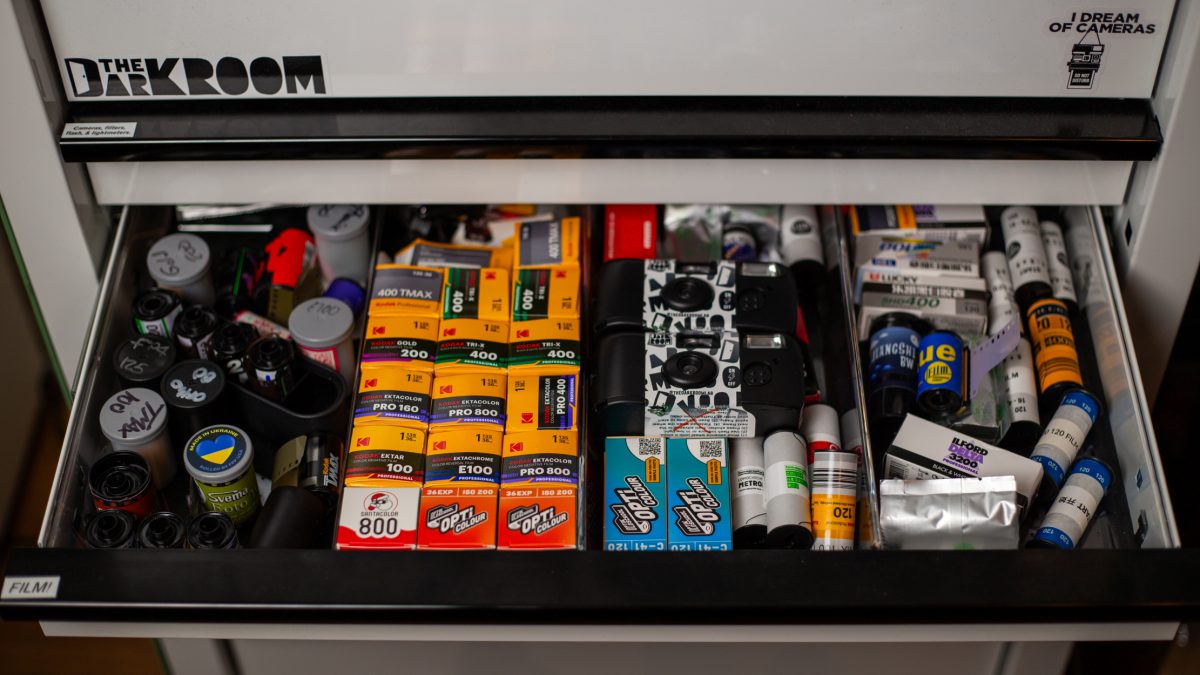
If you shoot film regularly or plan to use your film within the next few months, room-temperature storage is usually perfectly fine. Just keep your film in a cool, dry place away from direct sunlight, excessive heat, and moisture.
A desk drawer, closet, cabinet, shelf, or camera bag stored indoors all work well. The main thing is to avoid places that experience major temperature swings or humidity, such as garages, attics, bathrooms, glove boxes, or cars.
Film Fridge
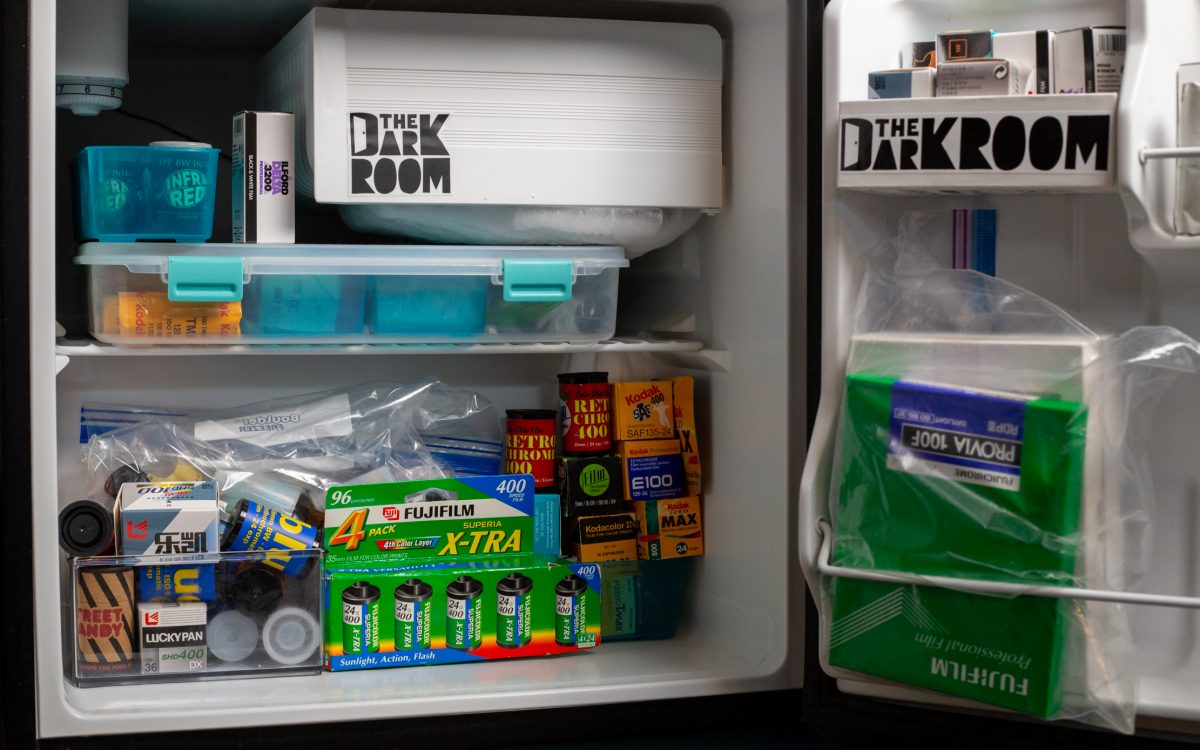
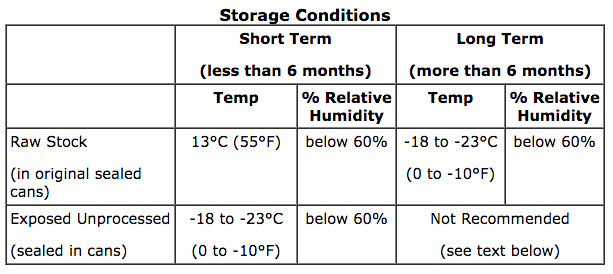
If you buy film in bulk or don’t shoot film very quickly, storing your film in a refrigerator is a great option for long-term storage. Refrigeration helps slow down the natural aging process of film and can help preserve color accuracy, contrast, and overall image quality over time.
This is especially helpful for color film and professional film stocks that you may want to keep fresh for several months or longer. If you store film in the fridge, we recommend keeping it sealed when possible and allowing it to slowly warm back up to room temperature before shooting it. This helps prevent condensation from forming on the film.
Here’s some techie verbiage from Kodak:
Refrigerating camera films reduce the photographic effects of long-term storage, but refrigeration cannot reduce the effects of ambient gamma radiation. Naturally occurring gamma radiation increases the D-min and toe densities and also increases grain. Higher speed films are affected more by gamma radiation than lower speed films. A camera film with an EI (Exposure Index) of 800 has a much greater change than an EI 200 film. Exposed and unprocessed film that has been properly refrigerated retains the speed and contrast of the exposure conditions, but the overall D-min, toe, and grain will continue to increase.
Excerpt from Kodak’s website about Storage and Handling of Unprocessed Film
Freezing Film for Extremely Long-Term Storage
Freezer storage is generally reserved for extremely long-term storage, especially for rare, expired, discontinued, or bulk film stocks that may not be used for years.
For most photographers, refrigeration is more than enough and is usually the option we recommend over freezing. If you do freeze film, store it unopened and in its original canister or packaging whenever possible to help protect it from moisture and humidity.
If you remove film from the freezer, make sure to allow plenty of time for it to fully thaw and return to room temperature before opening or shooting it. Opening frozen film too quickly can cause condensation and moisture issues.
Warm up your film after cold storage
Whether your film has been stored in the refrigerator or freezer, it is important to let it return to room temperature before using it. If storing your film in the refrigerator, give it a little time to warm up before loading it into your camera. If storing film in the freezer, allow several hours for it to fully thaw.
Once the film is back to room temperature, open the film canister in dim light and make sure the roll is not cold to the touch before inserting it into your camera.
Protect Your Film from Extreme Heat
While film handles normal room temperatures fairly well, excessive heat can damage film surprisingly quickly. In general, heat is one of the biggest things you want to avoid when storing film or carrying it with you.
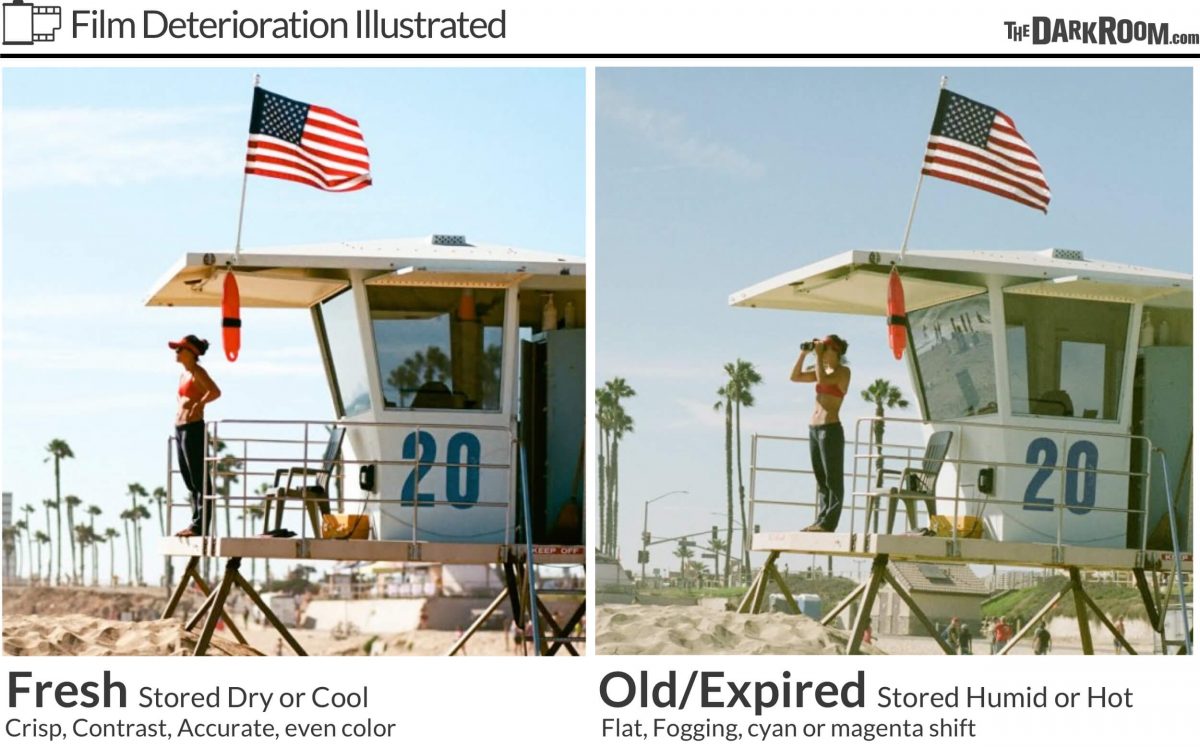
Leaving film in a hot car, on a dashboard, in direct sunlight, or in a camera bag sitting in the heat for long periods of time can accelerate aging and lead to color shifts, increased grain, fogging, loss of contrast, and reduced image quality.
This also applies to film loaded inside your camera, not just unopened rolls. If you’re out shooting on hot days, try to keep your camera bag out of direct sunlight whenever possible. If your camera bag is in a parked car, make sure it is not sitting in direct sun or heat for an extended period of time.
To prove this point, we purposely exposed film to heat and developed it. See the side-by-side comparisons of photography film exposed to heat and a properly stored roll of film.
When You Load It, Finish It
Try not to keep film loaded in your camera or film magazine longer than necessary. Film inside a camera is still affected by heat, humidity, and time, especially if that camera is left in a hot car, garage, or bag for weeks or months.
We all have stories of opening a camera back thinking it’s empty, only to see that glossy surface of exposed, undeveloped film mid-roll. Even though we try, the fastest reflexes can’t always save it. The best habit is to shoot the roll, rewind it, and get it developed sooner rather than later.
Develop It
You cared for your film, stored it properly, and shot awesome photos. Now make sure you don’t drop the ball at the final step. Use The Darkroom to develop that roll of film.
Final Thoughts on Film Storage
Film storage doesn’t need to be overly complicated. For most photographers, simply keeping film cool, dry, and away from direct sunlight will keep it in great shape until you’re ready to shoot it.
If you shoot film regularly, room-temperature storage is usually perfectly fine. If you’re storing film for months or years, a refrigerator is a great option. And for extremely long-term storage, freezing can work as long as the film is properly thawed before use.
At the end of the day, the goal is simple: keep your film away from heat, moisture, and sunlight, and it’ll usually reward you with great results.
Where to Buy Film

We work closely with The Film Photography Project, and they are very active in supporting film enthusiasts while offering a large selection of unique and one-of-a-kind photography films. Check out their film inventory.
Film Photography Project has a thriving community of photographers from around the globe. They also have an entertaining podcast, vintage film camera reviews, frequent giveaways, and exchange programs. Check them out at filmphotographyproject.com