




 Gift Cards
 Film Index
 FAQ
FAQ Film Developing
 35mm
35mm 120/220
 Single Use Cameras
 110/126/Advantix
 Sheet Film
 Scan Negs/Slides
 Prints
 Prints from Digital Files
 Enlargements
 Canvas, Metal & More
 Wood Prints
 Desktop Framed Prints
 HD Metal
 Your Account & Albums
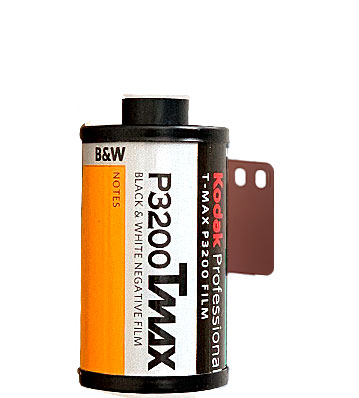

Low light best 35mm b&w film ever
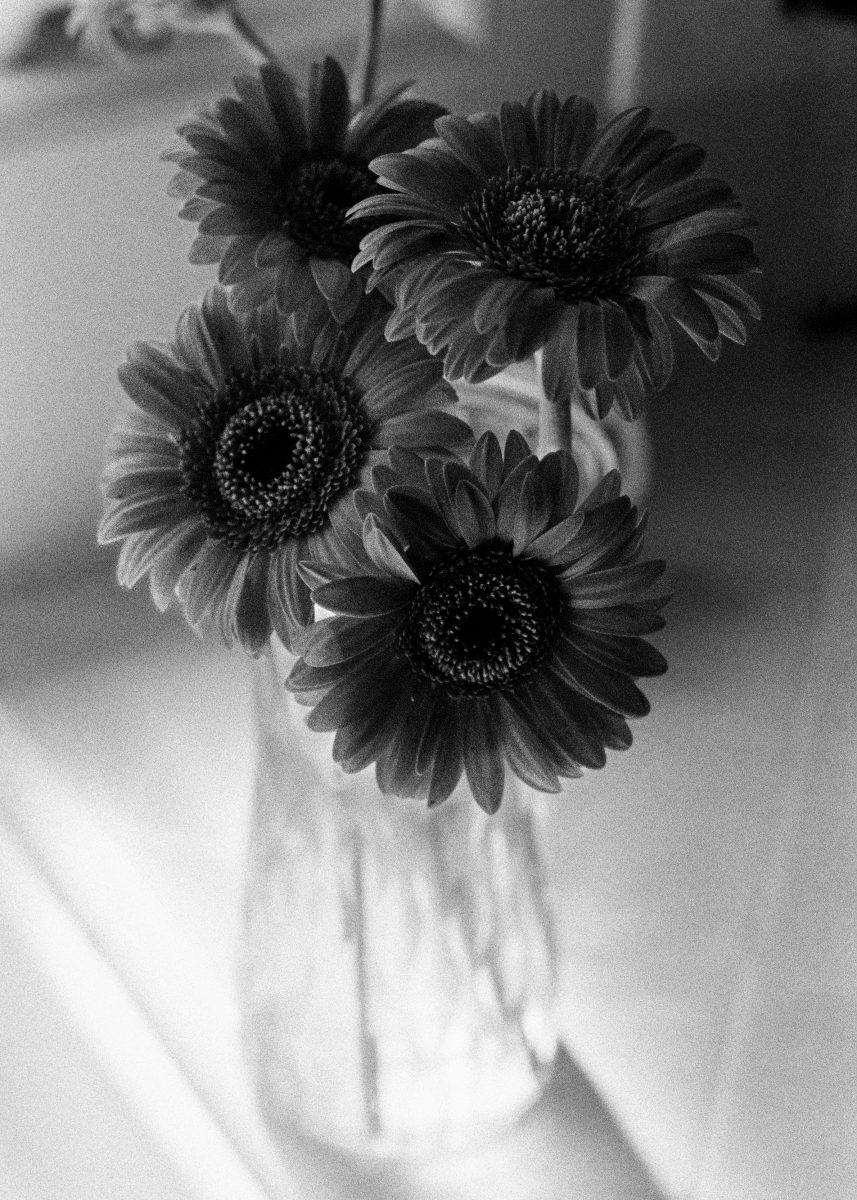
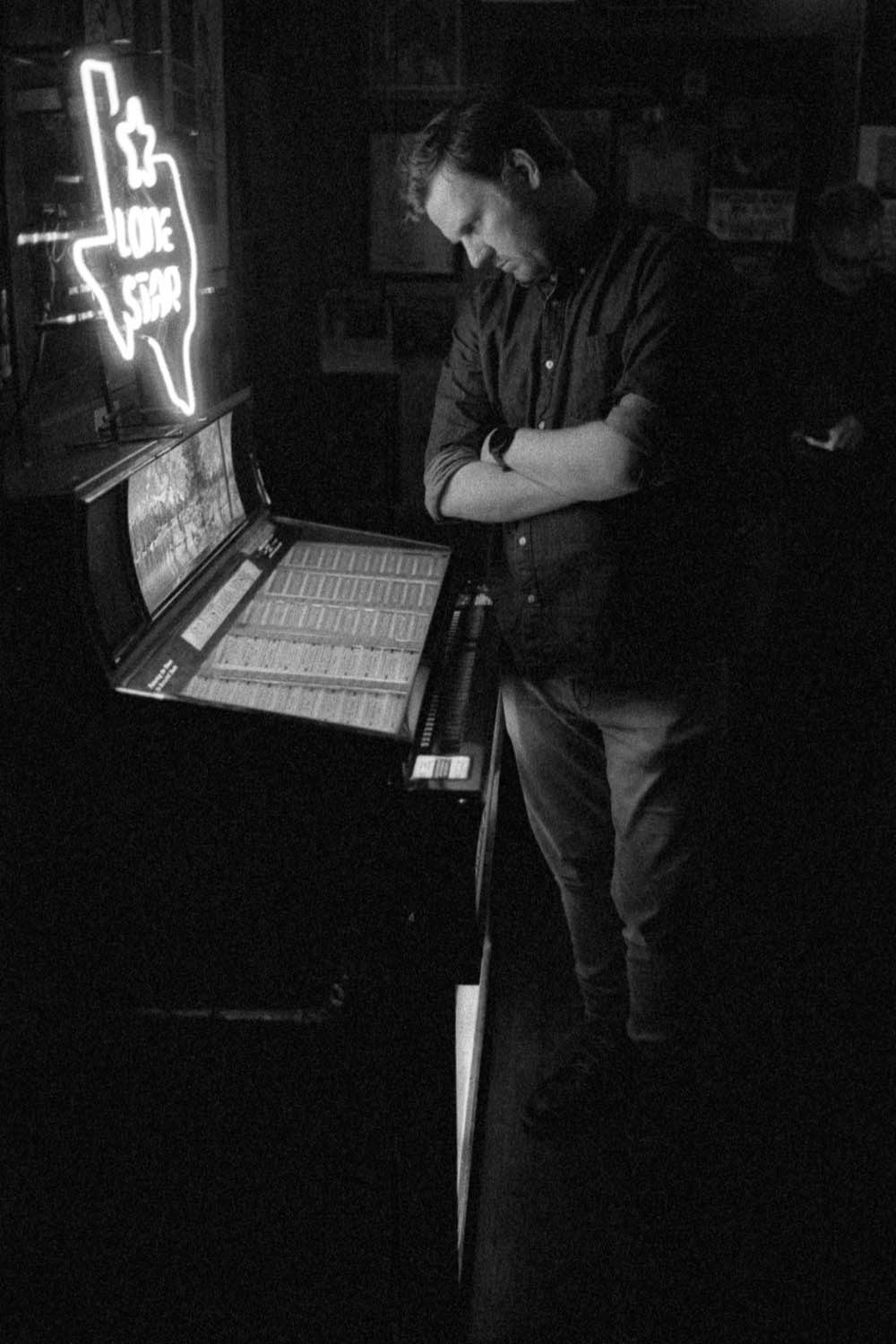
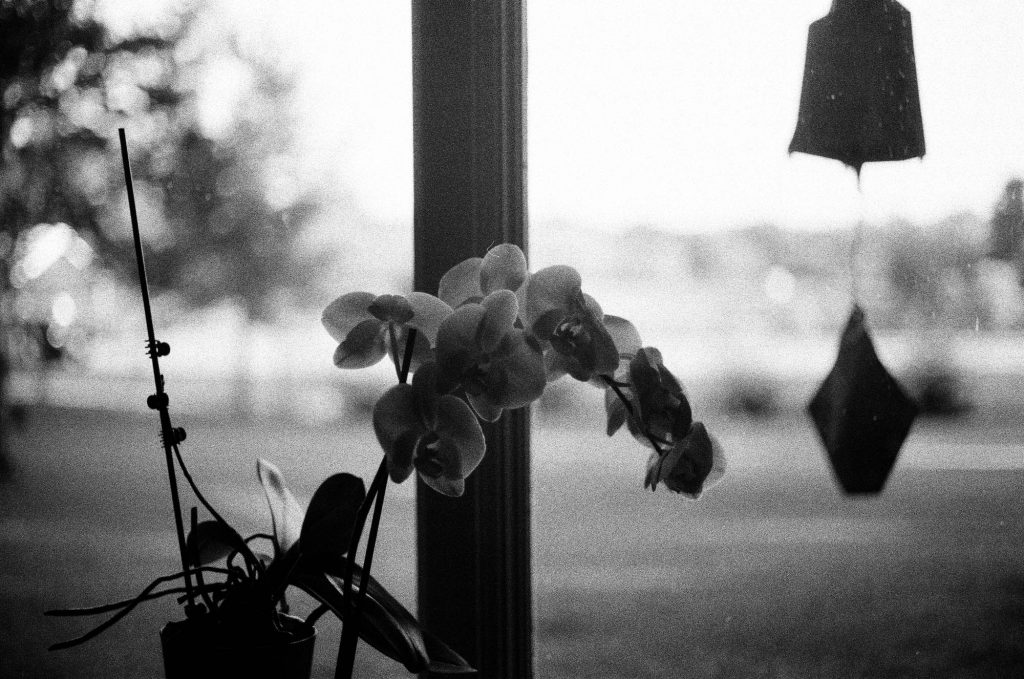
I love his the noticiable, but beautifull, grain.
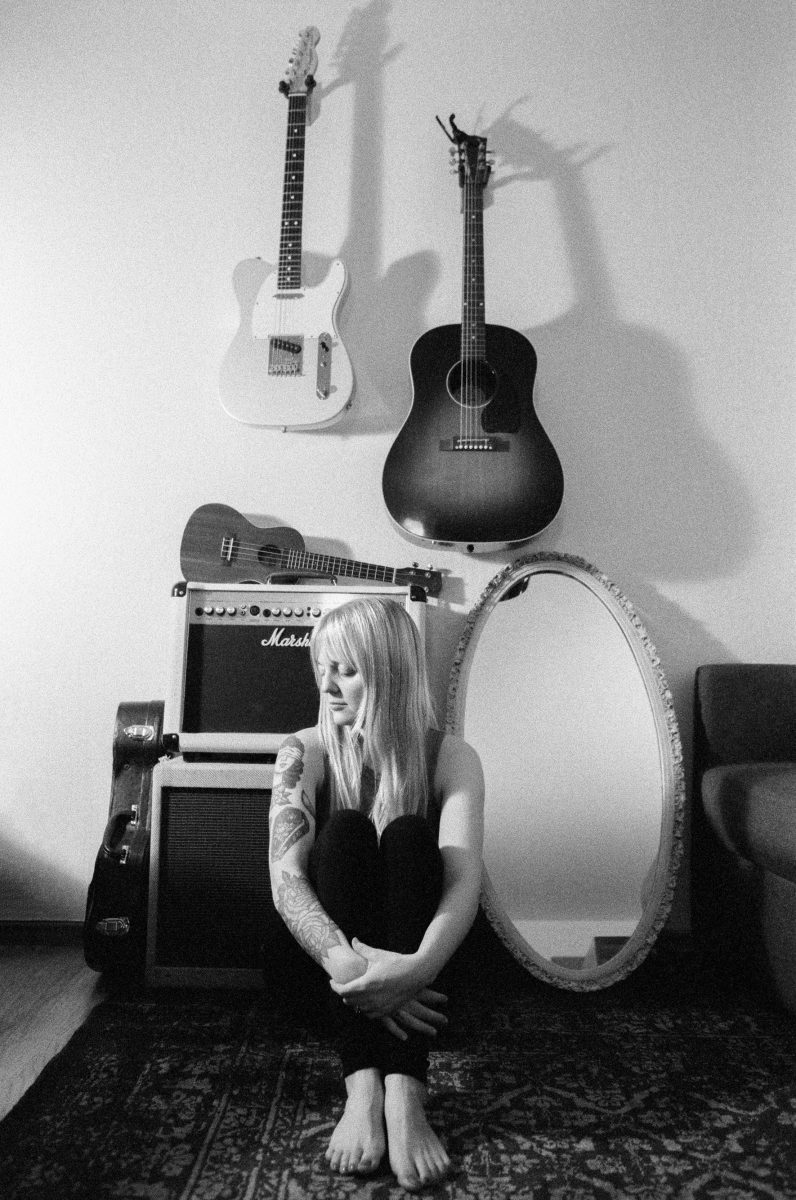
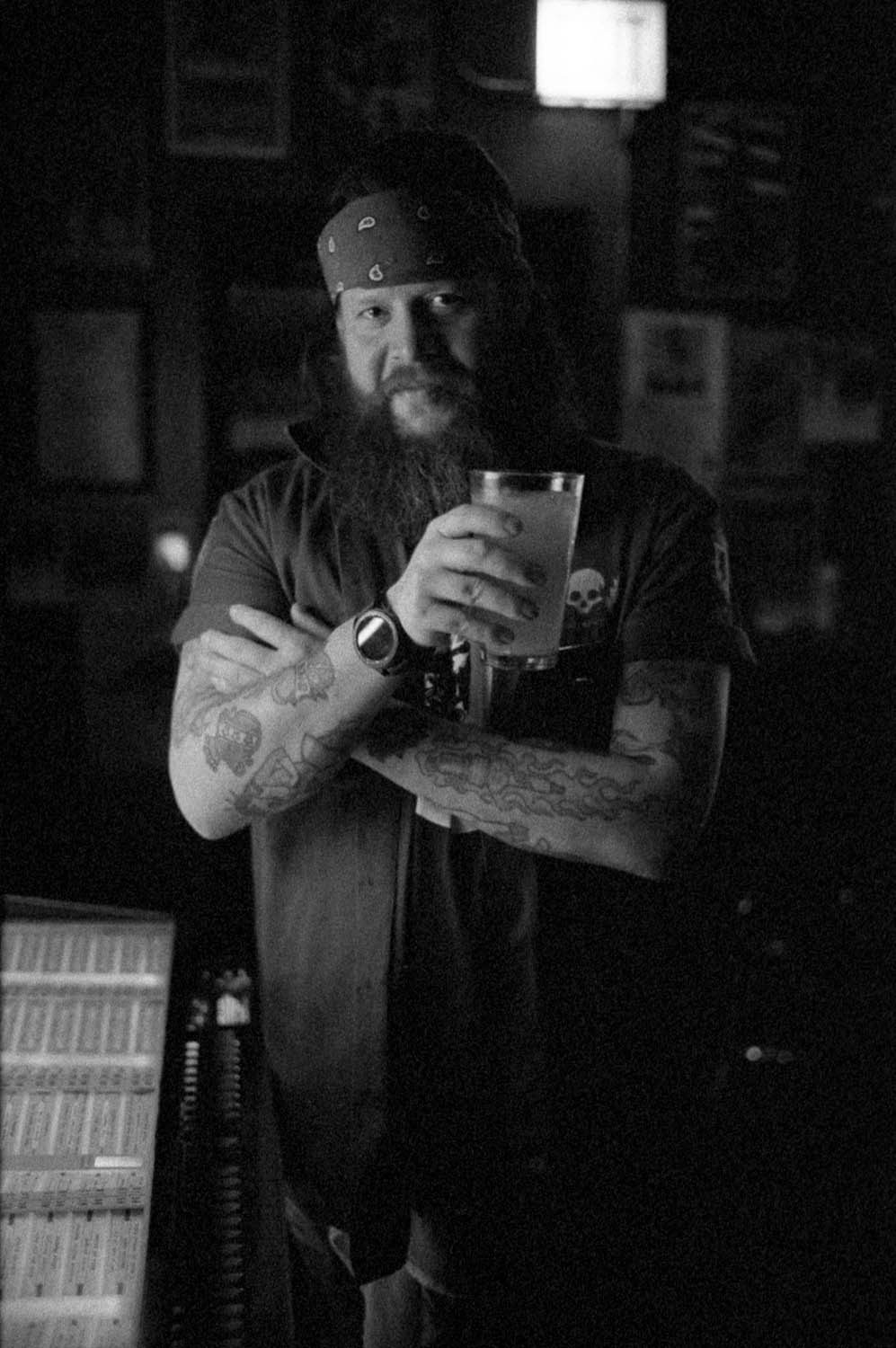
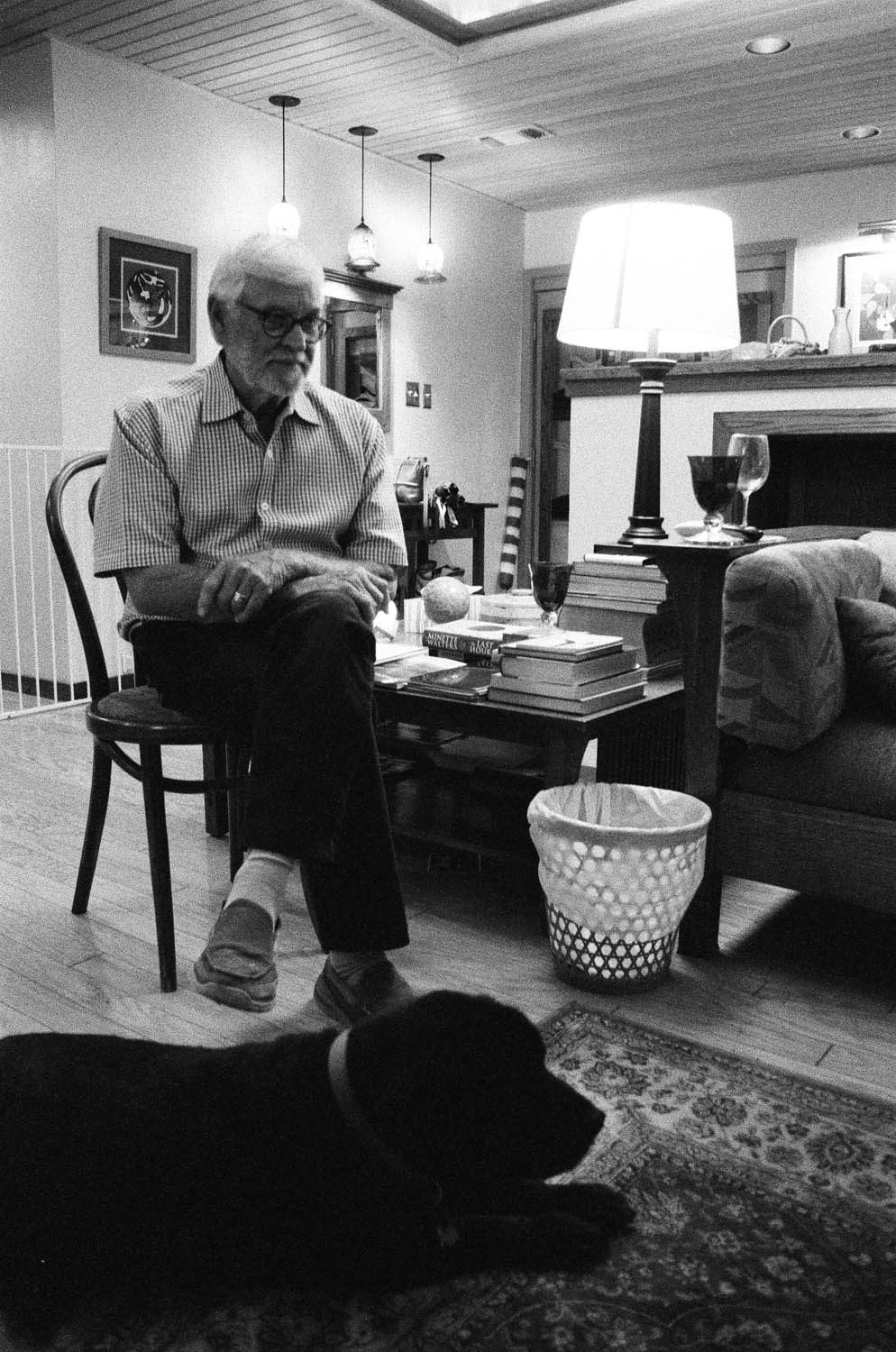
Perfect for portraits.
Opens Another Dimension of Possibilities
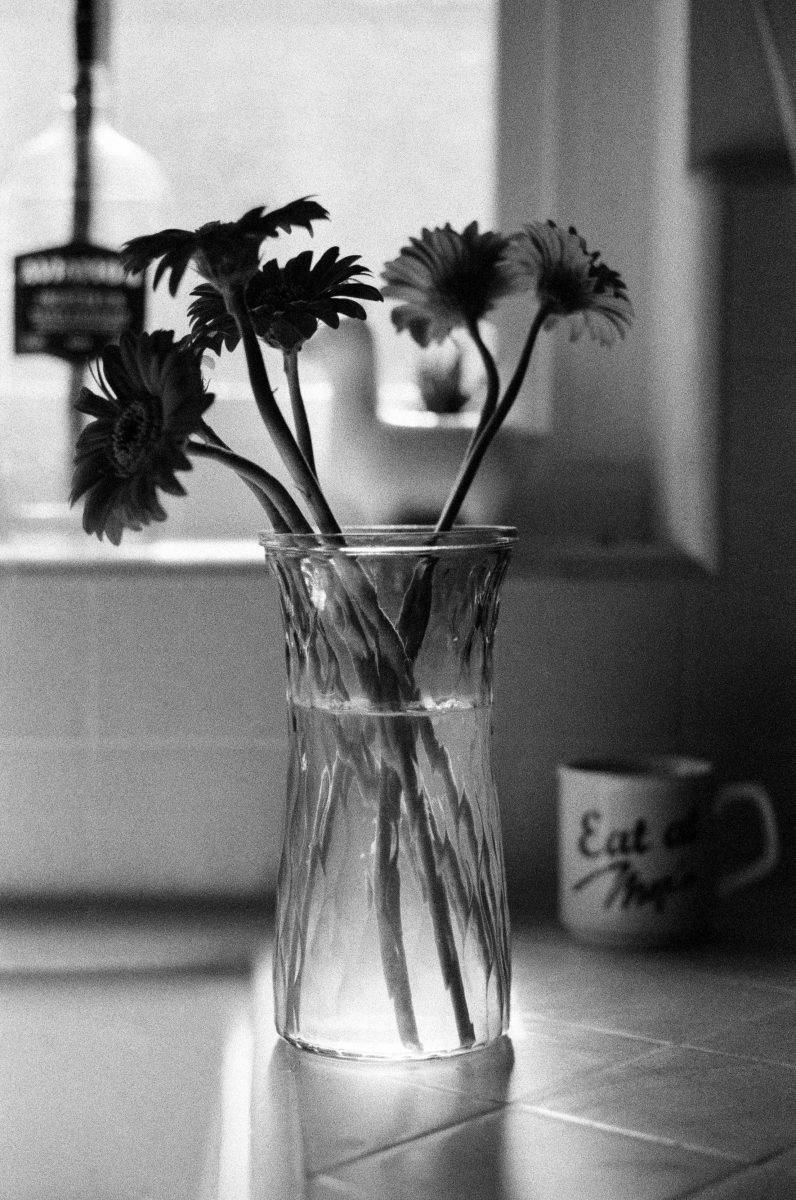
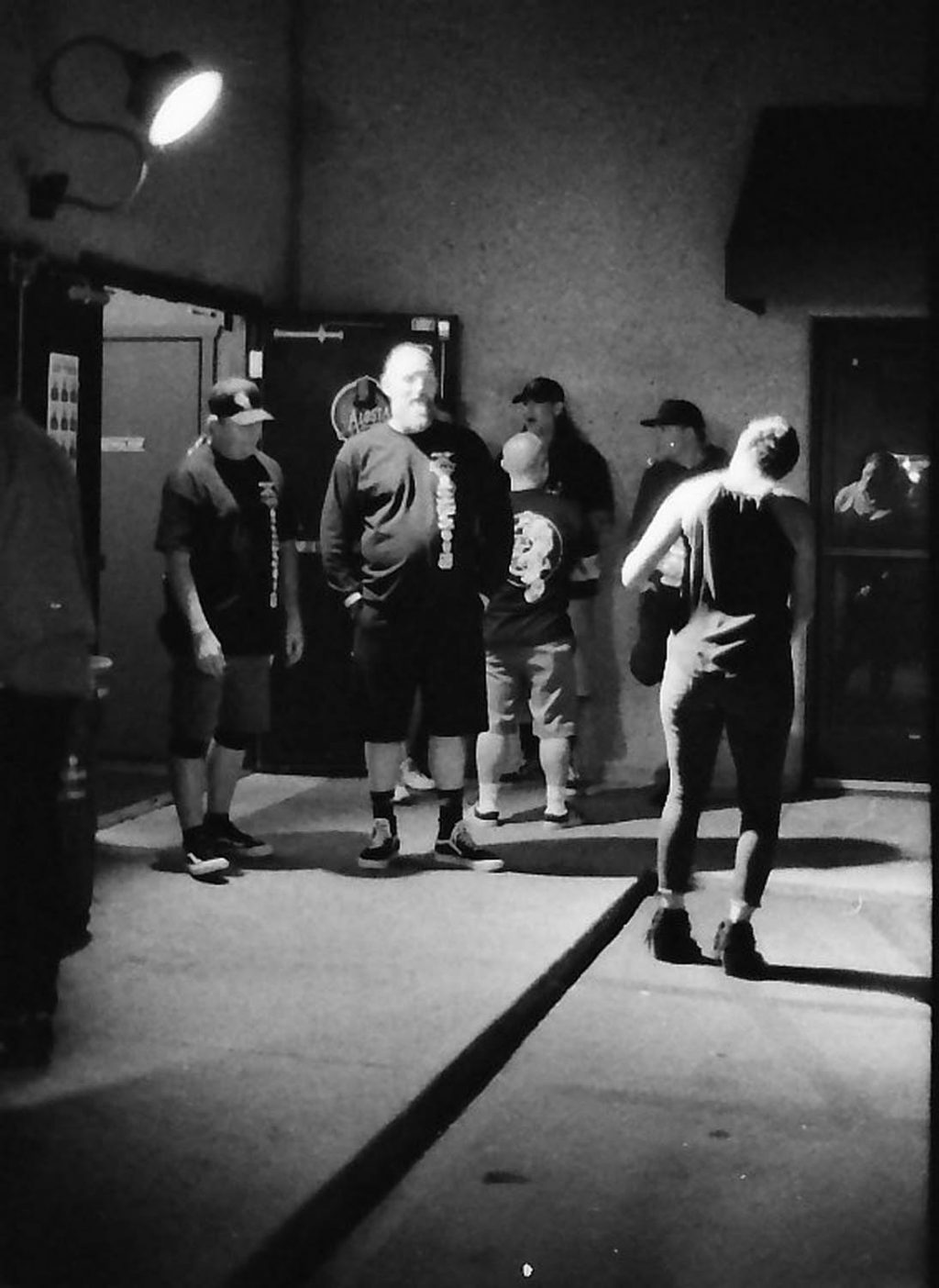
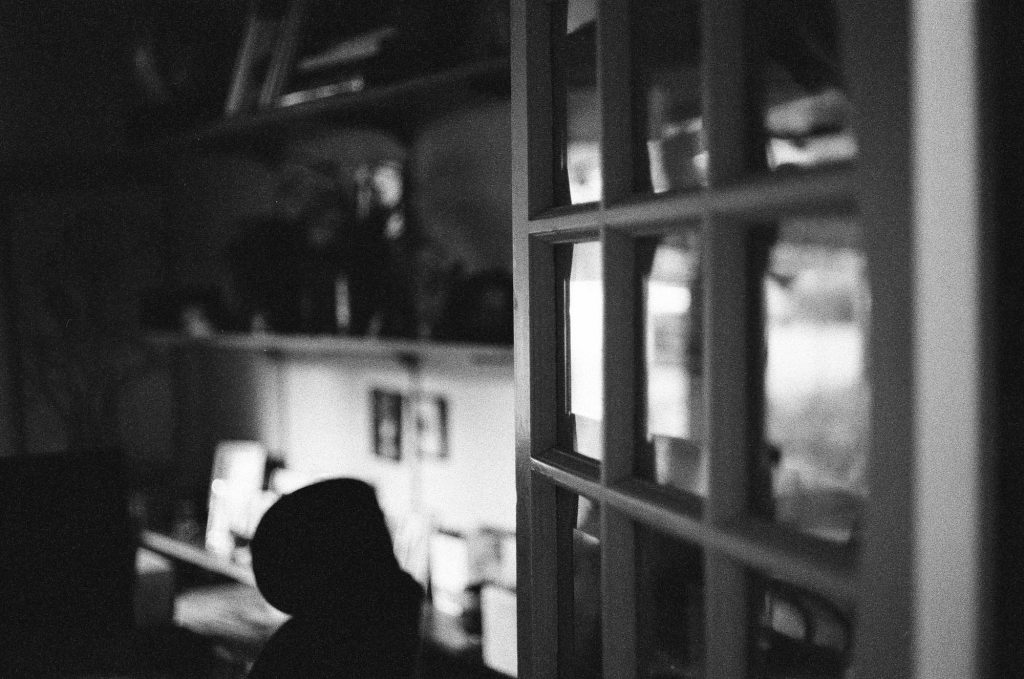
I’m so used to having to use a tripod for low light shots with my Mamiya. But 3200 ISO gives me the ability to shoot handheld even at night.
My favorite film, use it for everything.
I love this film. I use it for everything. Day time, night time, shade, sunlight ETC. Doesnt Matter.
The real film speed is 800-1000 ISO depending on developers you use. XTOL or Tmax will give you a film speed of 1000 ISO. something like d76 will give you 800 ISO for normal speed.
Everything else above that, is PUSHING this film. It is NOT a 3200 ISO film. the P3200 stands for – PUSH UP TO 3200 ISO. You can push further, but it’ll lose shadow detail and get significantly more grain.
See Kodak’s data sheet for information.
Even in the sun, I use it, with a yellow-red filter to get into usable exposure speeds. In New England, its not super bright, so most of the time it is fine.
I have heard people complain about the highlights being blown, especially with TMAX developer. Kodak wouldn’t make a Tmax film, and a Tmax developer, and have them be unusable together, this is nonsense.
The biggest problem people have with film these days, is a lack of calibration and testing, to their supplies and their methods. You need to test a film, run different speeds for your camera, calibrate it to your enlarger, Work out max black testing in the darkroom, and then adjust your development times based on highlight printing tests, also in the darkroom. That way you know for the camera you use, to the film you use, to the developer you use, to the agitation you use, to the enlarger you use, what your EXACT film speed ratings are for your camera, development times, etc to get great prints under an enlarger.
Testing and calibrating things takes only a few hours. We didn’t jump about from film to film like folks do now, we tested and calibrated to get the BEST prints. This was 101 in the classrooms.
If you don’t do these things, don’t complain about bad pictures, blown highlights, etc on this amazing film. That is user Error, and its usually from shooting 10 different films at once, and using 40 different options for scanning, developing, etc. Which is a recipe for bad prints. this film is BEAUTIFUL, if you use it right, and know what you’re doing.
If someone doesn’t know how to do this, contact me and I will send you detailed instructions on calibrating your tools, for free, in a DM.