















 FAQ
FAQ


Film photography is part science, part art, and occasionally part “wait… did I just open the back of my camera?” Accidental exposure and blank rolls are two of the most common issues film photographers run into, especially when first learning film or using older cameras. The good news is that in many situations, the roll is not completely ruined, and even when something does go wrong, understanding what happened can help you avoid the same issue in the future.
At The Darkroom, we process thousands of rolls of film every week, and while most come back perfectly fine, we do occasionally see rolls affected by accidental exposure, loading mistakes, camera issues, or severe underexposure. If this has happened to you, don’t panic. Film photography has a learning curve, and nearly every film photographer has accidentally opened the back of a camera at least once.
What Happens When Film Is Accidentally Exposed?
Film is extremely light-sensitive, which is exactly what allows it to capture an image. But because of that, exposing the film to light outside of normal camera operation can damage or completely erase your photos. The most common accidental exposure happens when the back of the camera is opened before the film has been fully rewound, though it can also happen if a camera is dropped and pops open, or if someone forgets there is film loaded inside.
In many situations, if the back is closed quickly, the entire roll is not ruined. Typically, the frames closest to the open back of the camera will be heavily exposed and may appear completely white, orange, or washed out, while deeper frames on the tightly wound roll are often protected. Most of the time, you may lose several photos and see a few light leaks, but the remaining images can still turn out perfectly usable.
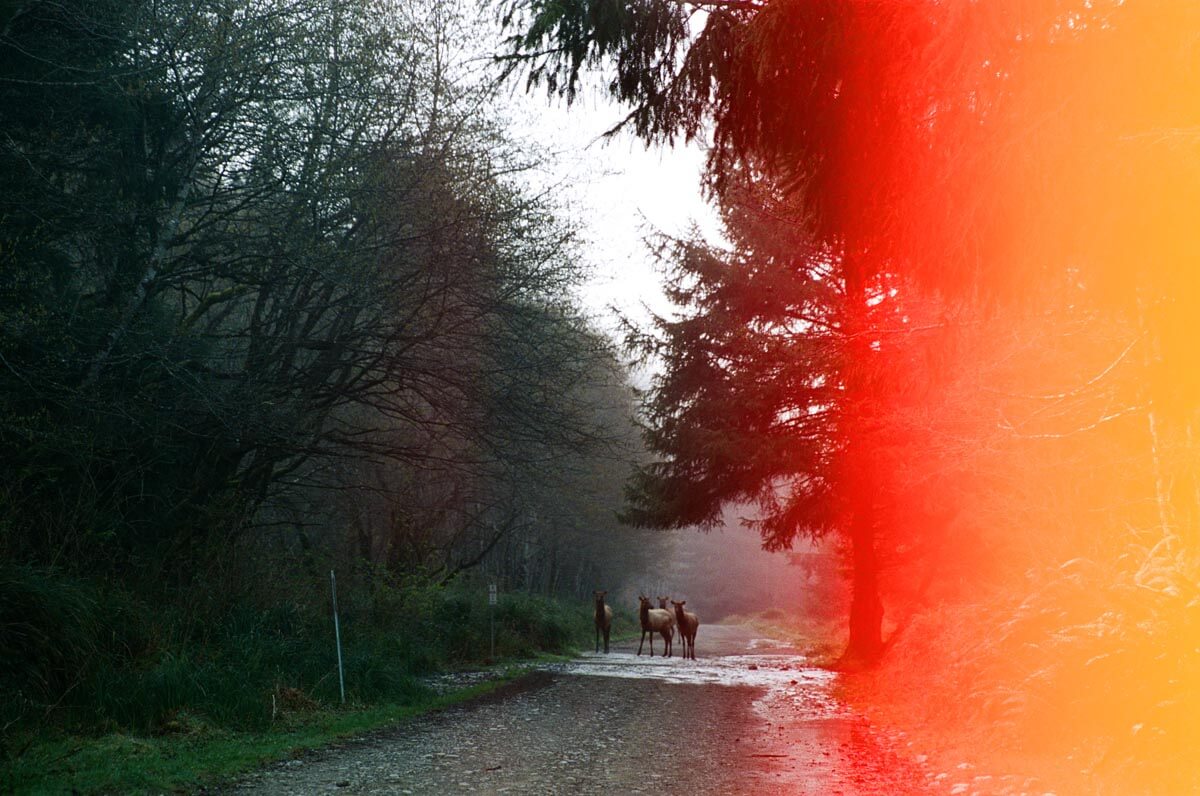
Accidentally exposed photos often show bright streaks, heavy haze, fogging, or large blown-out sections where light reached the film. Color negative film usually turns orange or white in these areas, while black-and-white film tends to appear washed out or completely bright.


When Light Leaks Are Caused By The Camera
Not all light leaks are caused by user error. If you’re consistently seeing leaks across multiple rolls without ever opening the camera back, there’s a good chance the issue is actually coming from the camera itself. Many older film cameras rely on foam light seals around the back door to keep stray light from reaching the film. As cameras age, those seals can dry out, crack, flatten, or become sticky and ineffective.
When this happens, direct sunlight can leak into the camera and create repeating streaks or flares across images. This is especially common in vintage 35mm SLRs and older point-and-shoot cameras. Thankfully, replacing light seals is usually fairly inexpensive and can dramatically improve the reliability of an older camera.
Blank Rolls: What Causes Them?
Getting back a blank roll of film can be incredibly frustrating, but thankfully it’s relatively uncommon. At The Darkroom, we occasionally see blank rolls caused by loading mistakes, camera issues, accidental exposure, or severe underexposure. If a customer receives a completely blank roll, we issue a blank roll voucher that can be applied toward future processing. (add video to the right column please )
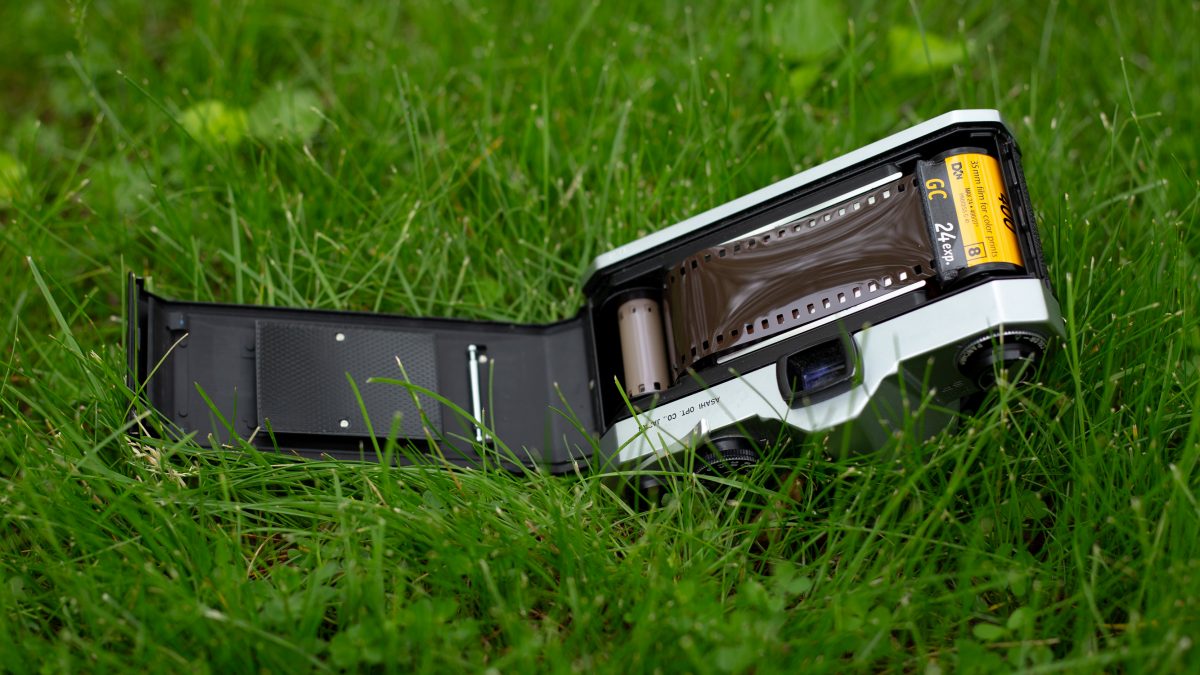
The most common cause of a blank roll is film that never properly loaded into the camera. Sometimes the film leader doesn’t fully catch onto the take-up spool, so while the camera appears to advance normally, the film itself never moves through the camera and no images are exposed. One of the easiest ways to avoid this is by watching the rewind knob while advancing the film. If it rotates, that’s usually a good sign the film is properly loaded. You can also gently remove slack from the rewind crank to check for tension.
Blank rolls can also happen because of camera malfunctions. Older film cameras, especially electronic point-and-shoots, can develop advance issues, shutter failures, or slipping gears that prevent the film from exposing correctly even when loaded properly.
Common causes of blank rolls include:
- Film didn’t load properly and never advanced through the camera
- Camera advance or shutter issues prevented the film from exposing correctly
- The camera back was accidentally opened before the film was rewound
- Disposable cameras were used indoors without flash, causing extremely underexposed images
- Film was severely expired, heat damaged, or improperly stored
- The film was removed or exposed to light for too long
- Extreme underexposure caused images to be too dark for scanners to detect
One surprisingly common issue comes from disposable cameras being used indoors or at night without flash. Disposable cameras are designed primarily for bright daylight, so low-light images without flash can appear nearly or completely black.
In situations where the camera back was opened briefly, only part of the roll may be affected. But if the back remains open too long or the film is completely removed before rewinding, the entire roll can be fully exposed to light and permanently ruined.
If you ever receive a blank roll from The Darkroom, contact our customer service team. We’ll help determine the likely cause, troubleshoot your camera or loading process, and issue a blank roll voucher toward future processing.
Don’t Panic If It Happens
Despite how frustrating accidentally exposed film or blank rolls can feel, they’re still relatively uncommon overall, and most issues are completely avoidable once you understand what caused them. Film photography has always involved a bit of unpredictability, and even experienced photographers occasionally make mistakes like opening the camera back too early or loading film incorrectly.
If you do receive a blank roll from The Darkroom, reach out to our customer service team. We’ll help determine the likely cause, help troubleshoot your camera or loading process, and issue a blank roll voucher toward future processing. Sometimes one bad roll ends up helping prevent many more in the future.
Film photography may not always be perfect, but that unpredictability is also part of what makes it special. Sometimes mistakes create unexpected images, strange light leaks, or abstract frames that end up being memorable in their own way. And other times… they simply become part of the learning process every film photographer eventually goes through.