








 FAQ
FAQ


A Simple Point and Shoot Film Camera That Gets the Job Done
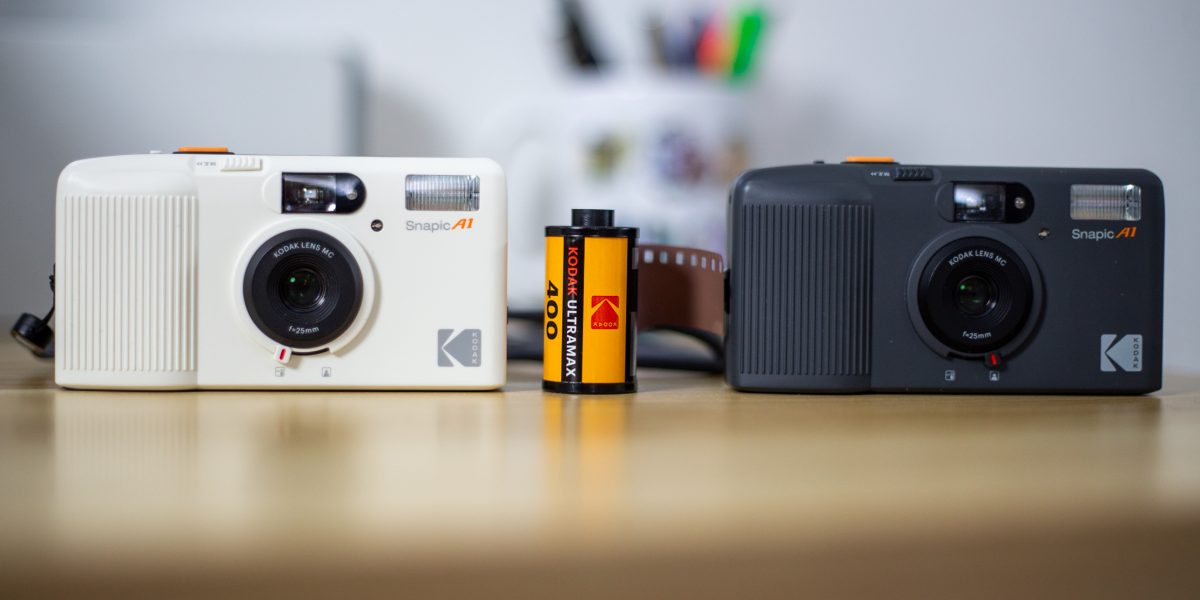
The Kodak Snapic A1 was released in late 2025, and at a $99 price point, it immediately stood out. Not because it’s the most advanced 35mm film camera available, but because it offers a strong balance of affordability, simplicity, and image quality. After putting multiple rolls through it here at The Darkroom, we can confidently say it’s a surprisingly capable 35mm point and shoot film camera.
There are still plenty of great used point-and-shoot options on the market, but the future of film photography depends on new cameras being manufactured. In recent years we’ve seen higher-end releases like the Pentax 17 and the Lomo LC-A around the $500 range. The Snapic A1 takes a different approach, offering a much more accessible entry point into 35mm film photography.
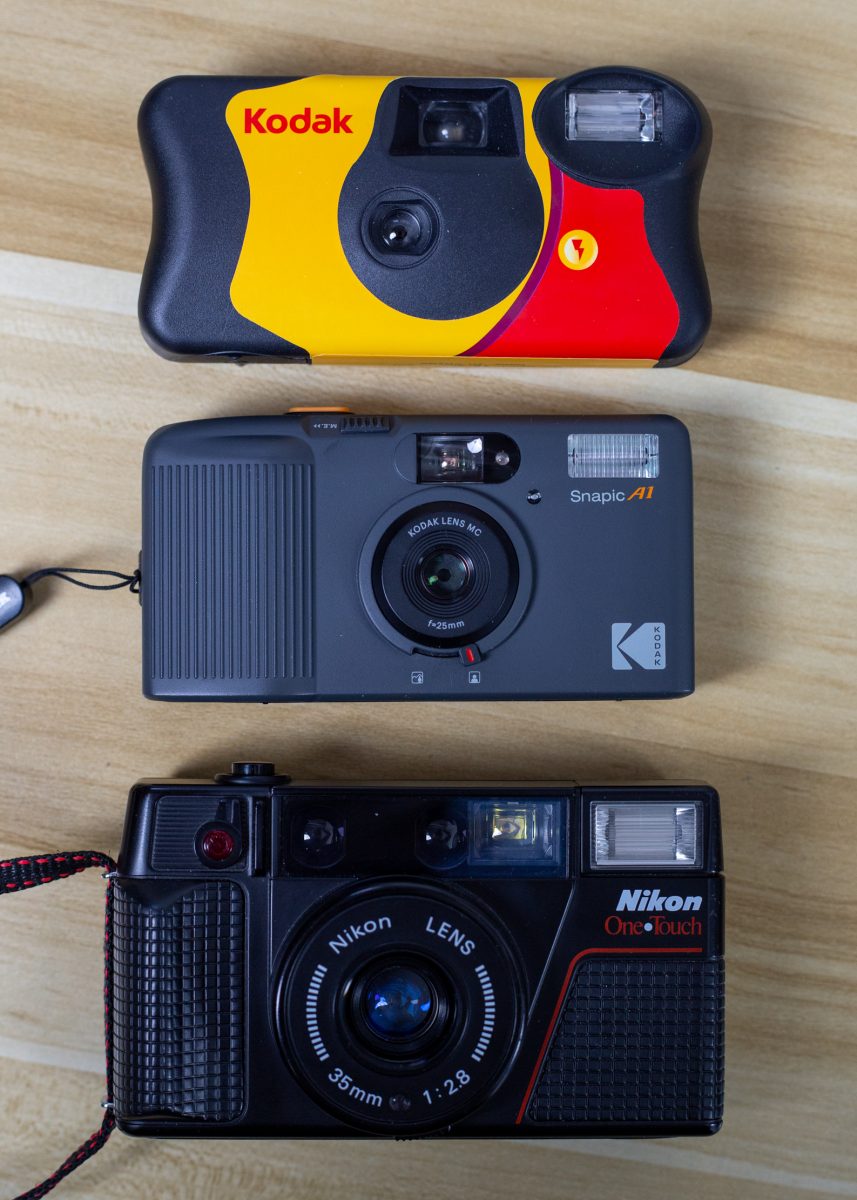
In many ways, it feels like an upgraded, reusable disposable camera. It features a fixed exposure system optimized for daylight, auto advance and rewind, a built-in flash for low light, and a glass lens that delivers sharp, consistent results. If you understand what it’s designed to do and shoot it in the right conditions, the Kodak Snapic A1 performs far better than most would expect from a $100 film camera.
What the Kodak Snapic A1 Is
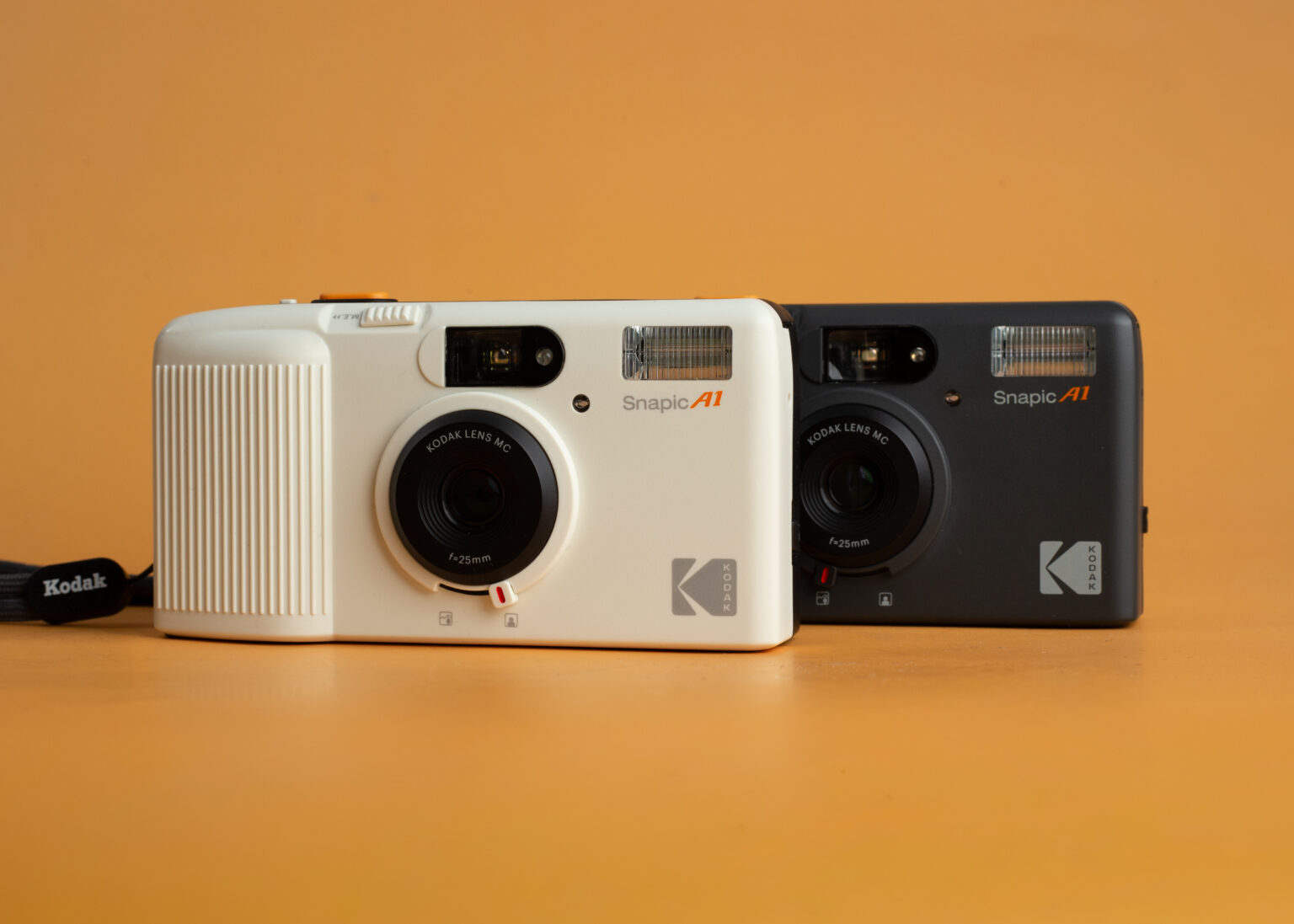
At first glance, the Snapic A1 looks like a compact, modern 35mm point and shoot film camera. It’s small, lightweight, pocketable, and extremely easy to use. But unlike most traditional point and shoots with automatic exposure systems, the Snapic A1 uses a fixed shutter speed and aperture combination. It features:
- Fixed exposure of f/9.5 at 1/100
- 25mm glass lens
- Dual zone focus system
- Built-in flash with multiple modes
- Auto film advance & rewind
- Multiple exposure mode
That fixed 1/100 at f/9.5 exposure is optimized for bright daylight. In sunny or well-lit conditions, it produces evenly exposed images. In lower light, you’ll need to use the flash. This is where the crossover with disposable cameras comes in. Like a disposable, it’s designed to work best in bright conditions and rely on flash in lower light situations. But beyond that exposure design, the Snapic A1 is more advanced.
Why the Glass Lens Makes a Big Difference
The most important upgrade over disposable cameras is the glass lens. The Snapic A1 uses a 25mm glass lens, and that alone significantly improves sharpness and clarity. Plastic lenses found in disposable cameras often produce softer, lower contrast results. The Snapic’s lens delivers noticeably cleaner images.
Combined with the f/9.5 aperture and the naturally forgiving wide-angle perspective, the camera produces surprisingly sharp results when used properly. The 25mm focal length is also unusually wide for a compact point and shoot film camera. That makes it great for:
- Travel photography
- Candid and environmental portraits
- Street photography
- Landscapes
Focus System and Flash Performance
Unlike disposable cameras with a single fixed focus zone, the Snapic A1 includes dual zone focus:
- Close focus: approximately 3 to 10 feet
- Far focus: approximately 10 feet to infinity
It’s simple but effective. When shooting portraits or nearby subjects, switch to the close setting. For landscapes or street scenes, use the far setting. Paying attention to this detail significantly improves image sharpness.
The built-in flash is strong and reliable, with multiple selectable modes:
- Auto flash
- Flash always on
- Auto red-eye reduction
- Flash off
The LED indicator blinks while charging and turns solid when ready. The red-eye reduction works well, and the flash output is powerful enough for indoor shooting. The camera runs on AAA batteries. We recommend rechargeable USB-C AAA batteries to make the setup more sustainable and convenient.
One unexpected bonus feature is the multiple exposure mode. You can activate it via the LED display, take your first frame, and then use the front switch before capturing the second exposure. It’s a fun creative addition at this price point.

With Flash 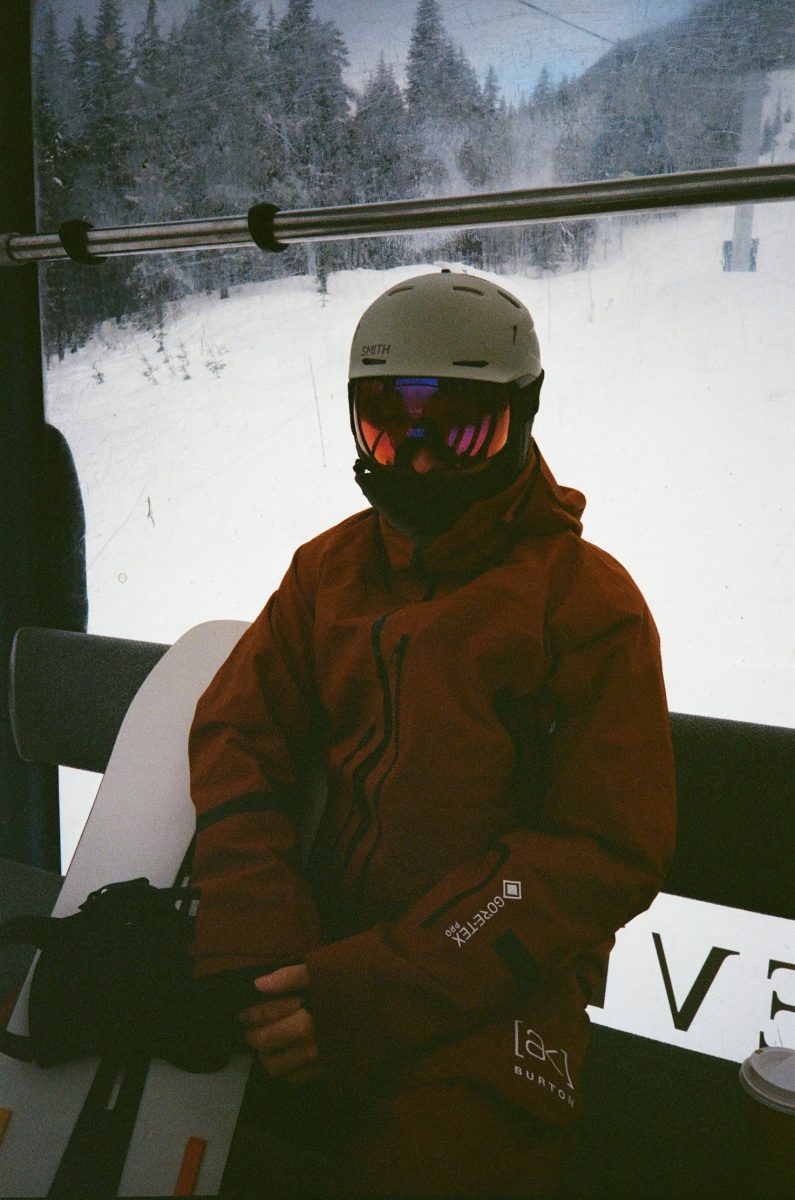
Without Flash
Best Film for the Kodak Snapic A1
Because the Snapic A1 uses a fixed 1/100 shutter speed and f/9.5 aperture, ISO choice plays a major role in exposure results.
For color film, we recommend ISO 200 for most situations. It offers the best balance for daylight shooting. Strong options include:
- Kodak Gold 200
- Kodacolor 200 aka ColorPlus 200
If it’s overcast or you plan to shoot indoors with flash, ISO 400 can work:
- Kodak Ultramax 400
- Kodak Portra 400
While 400 ISO color film has enough latitude to handle bright conditions, it can get quite bright on sunny days, especially if flash is used. For consistency, 200 ISO color film is our top recommendation.
For black and white photography, ISO 400 works exceptionally well due to its generous exposure latitude.We recommend:
- Kodak TMAX 400 for maximum sharpness
- Ilford XP2 400 for flexibility
- Kodak Tri-X 400 for classic grain
- Ilford HP5 for lower contrast
- Kentmere 400 for affordability
Black and white film is especially forgiving in a fixed-exposure camera like this.
When you’re ready to develop your 35mm film, The Darkroom develops color (C-41), black and white, and E-6 slide film in-house using our traditional dip and dunk process. You can order online or through our mobile app for fast, professional film developing and scanning.
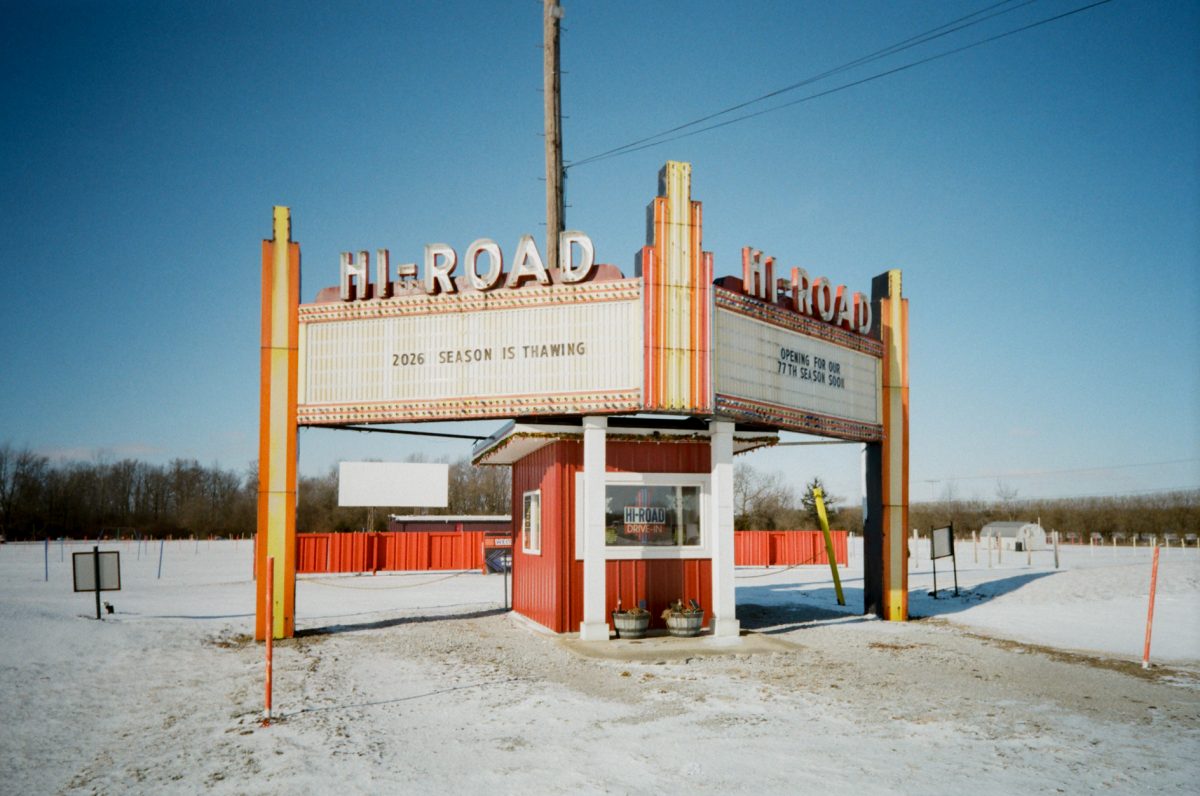
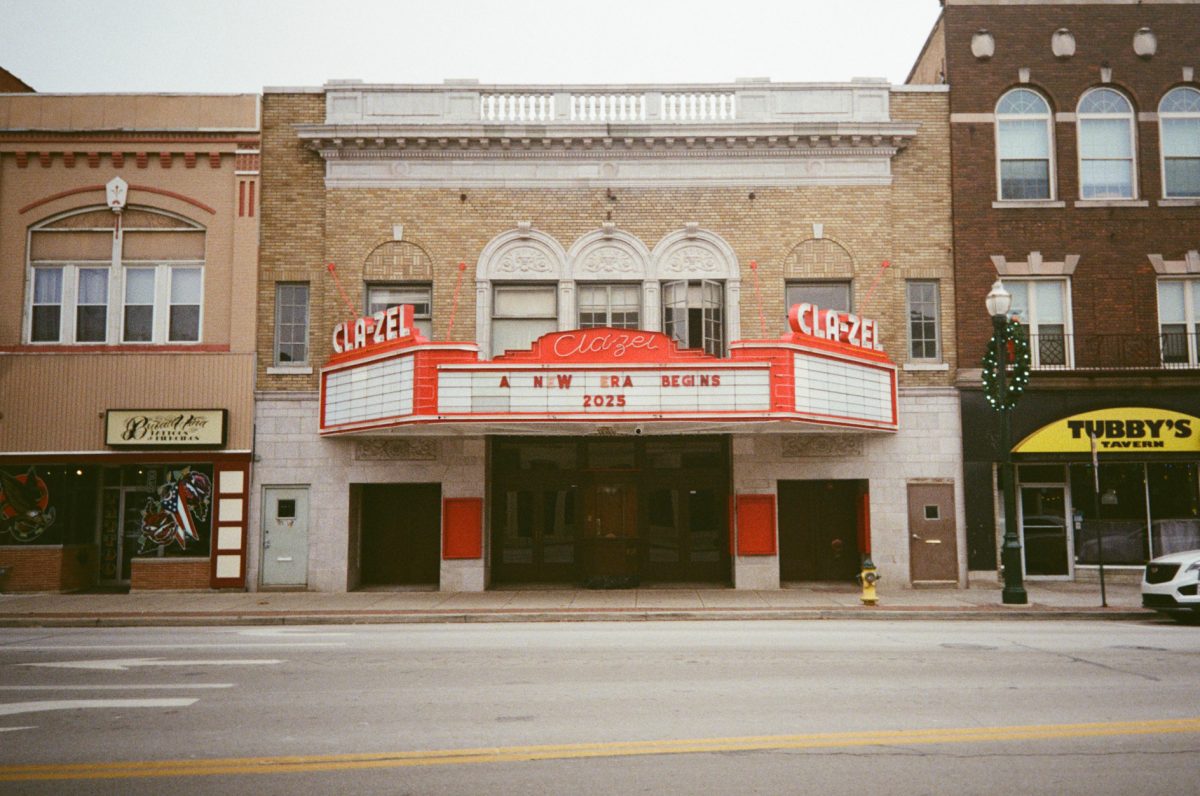
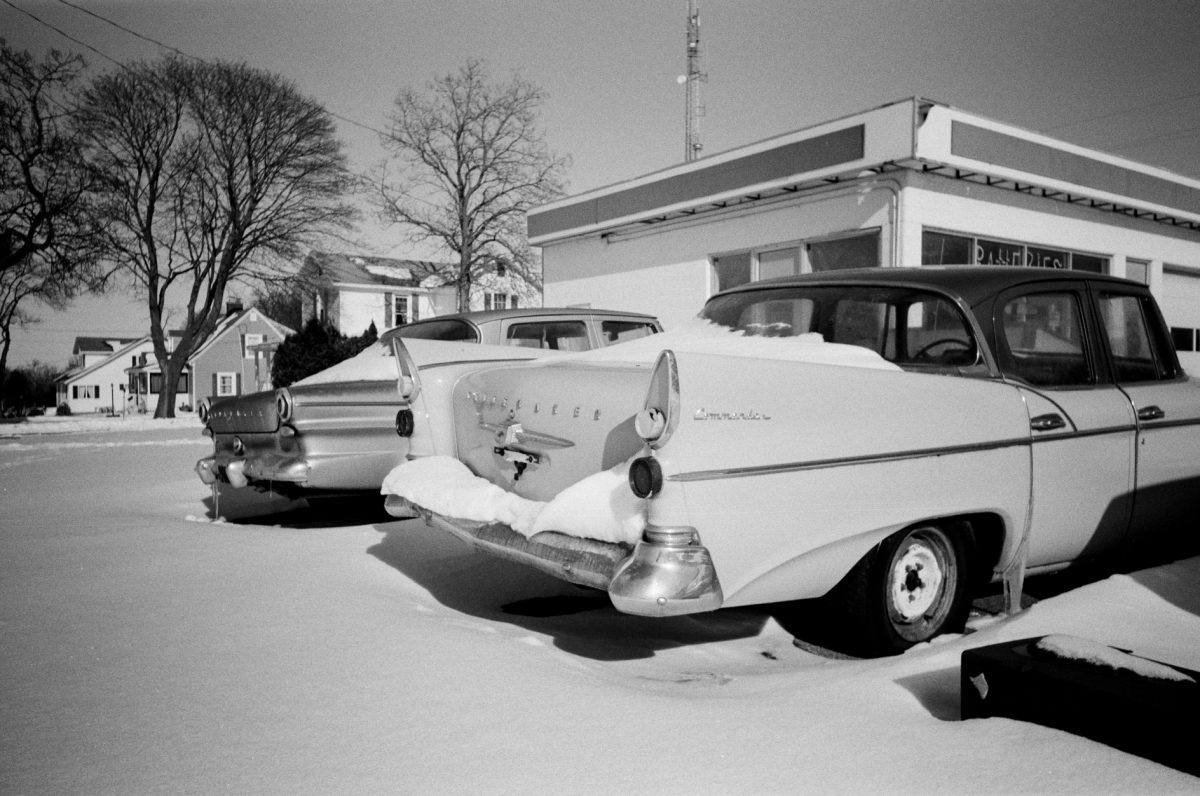
Results + Final Thoughts
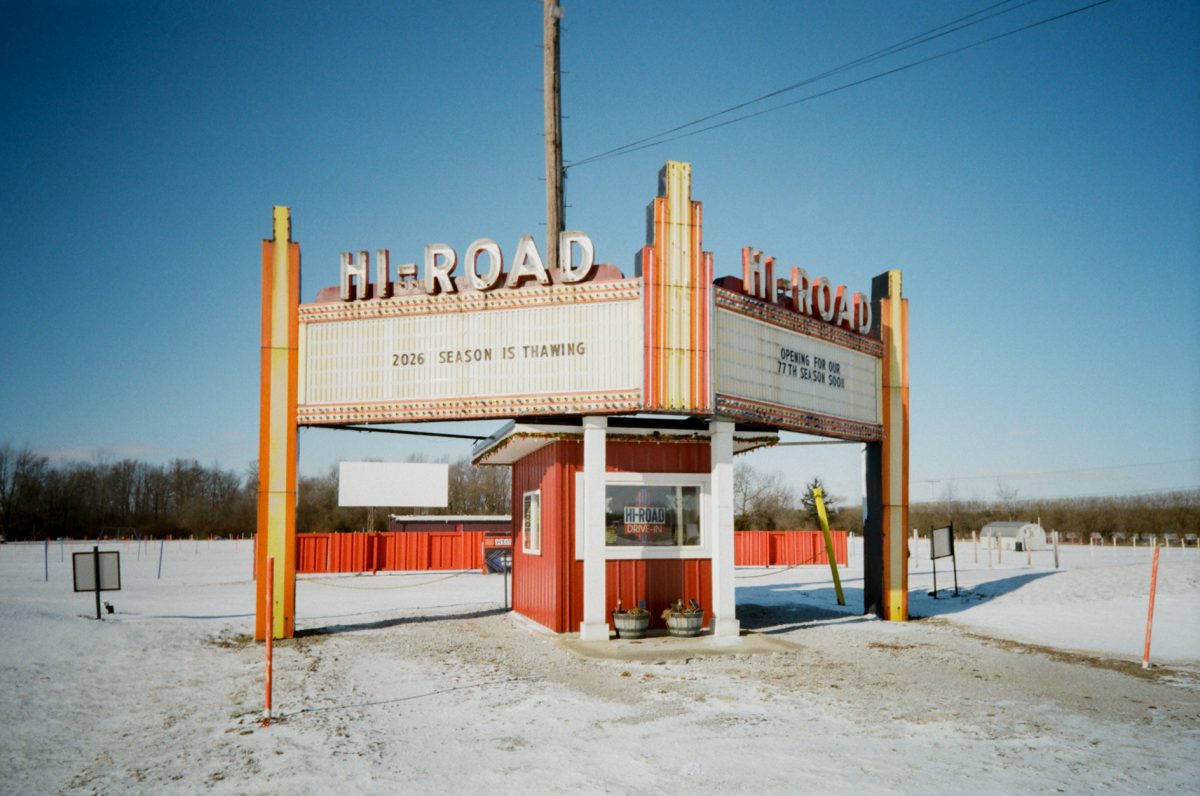
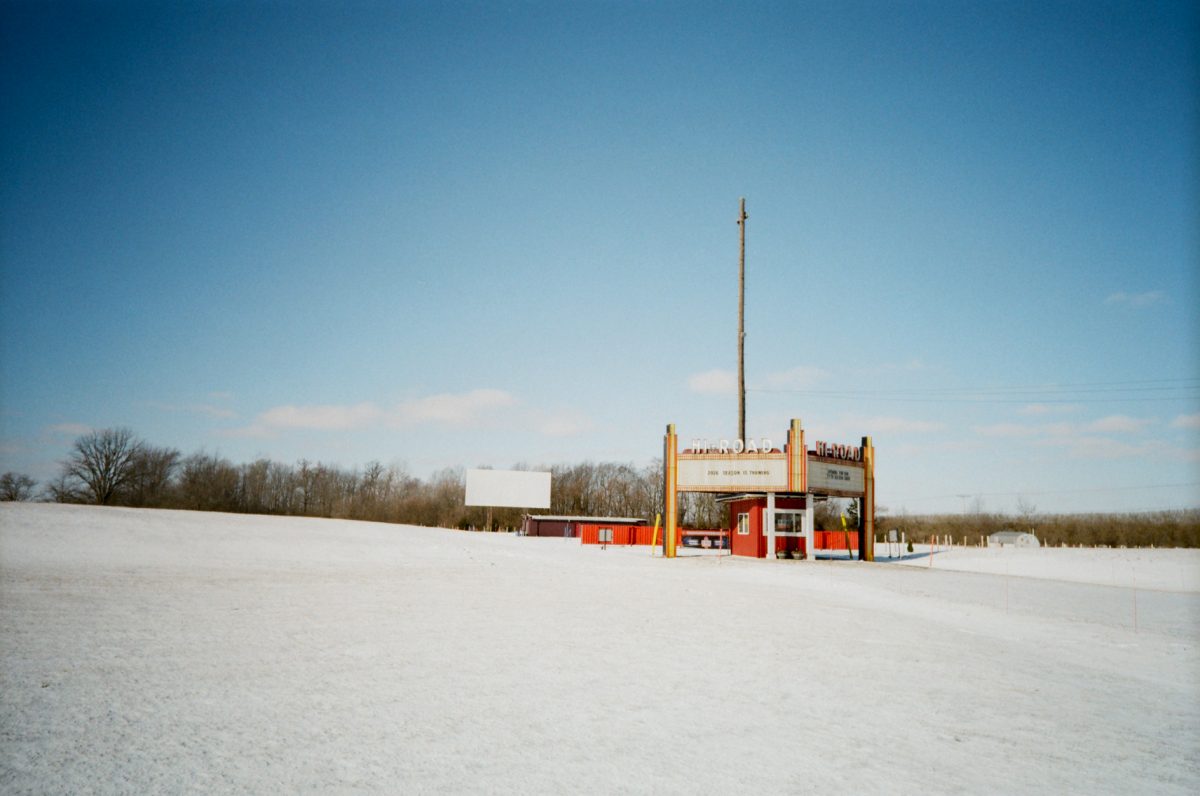
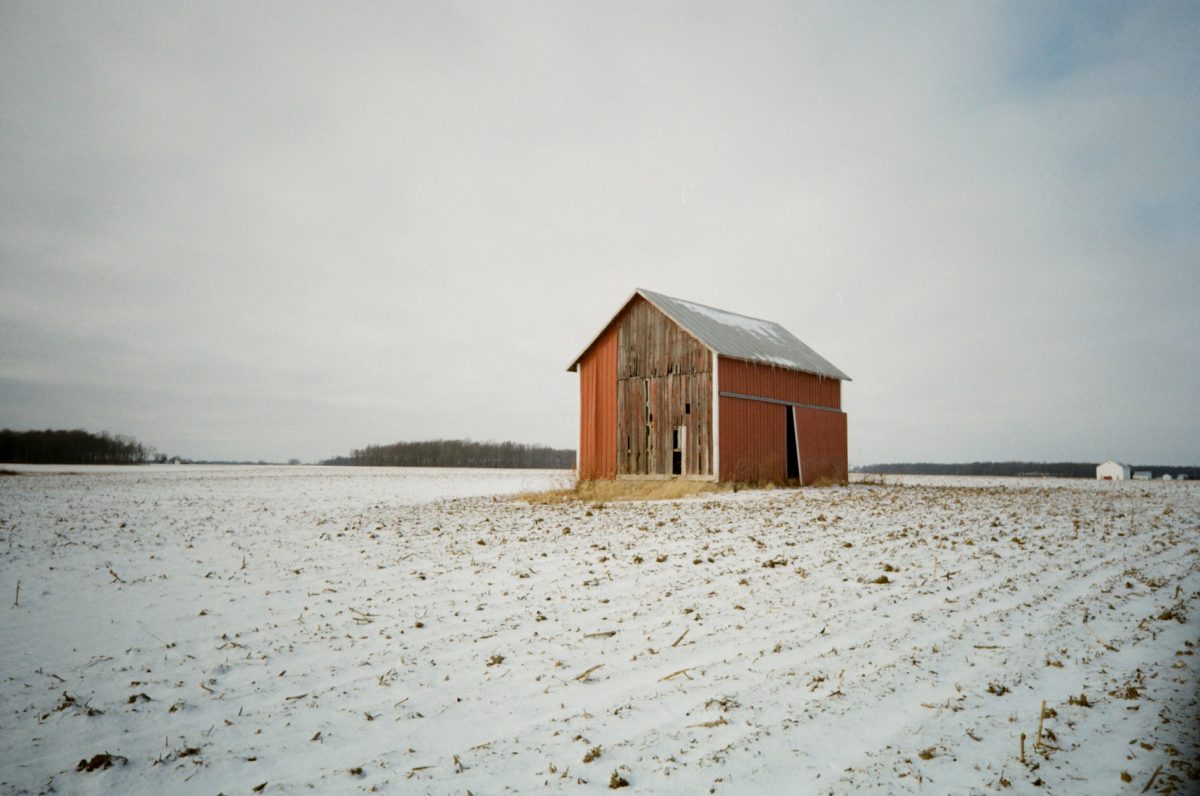
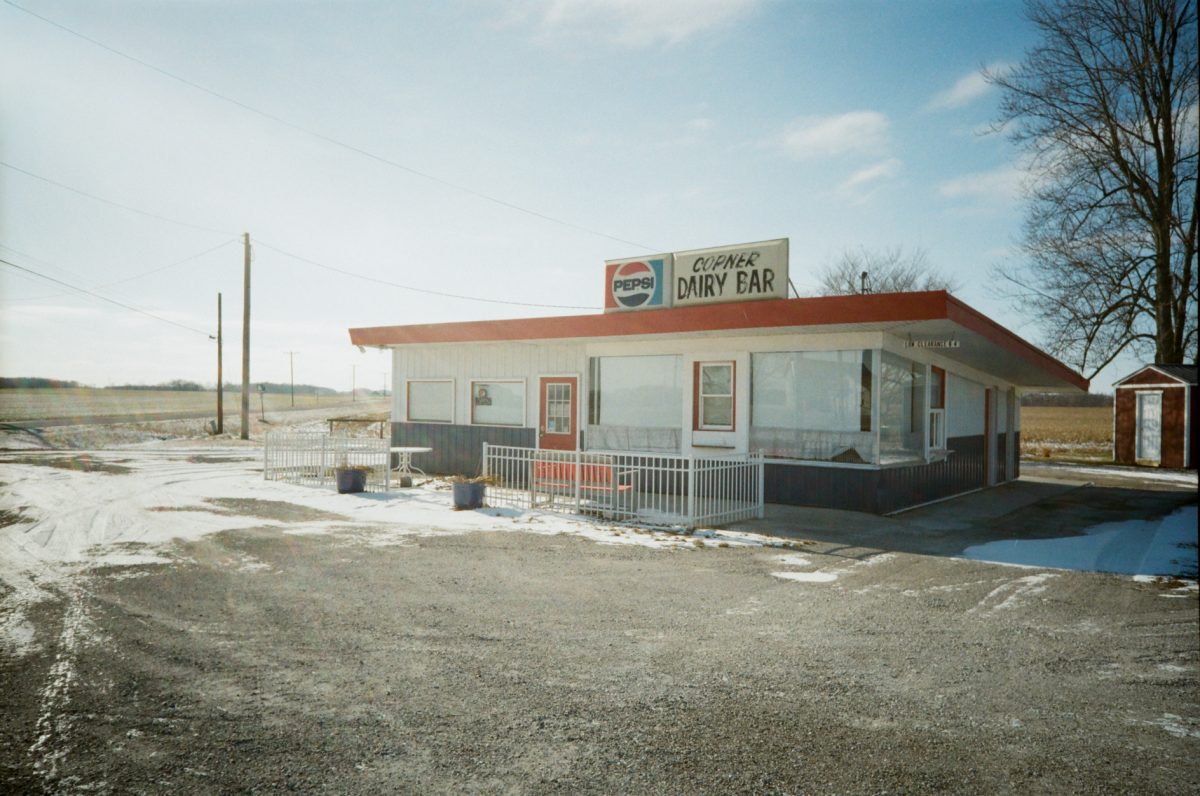
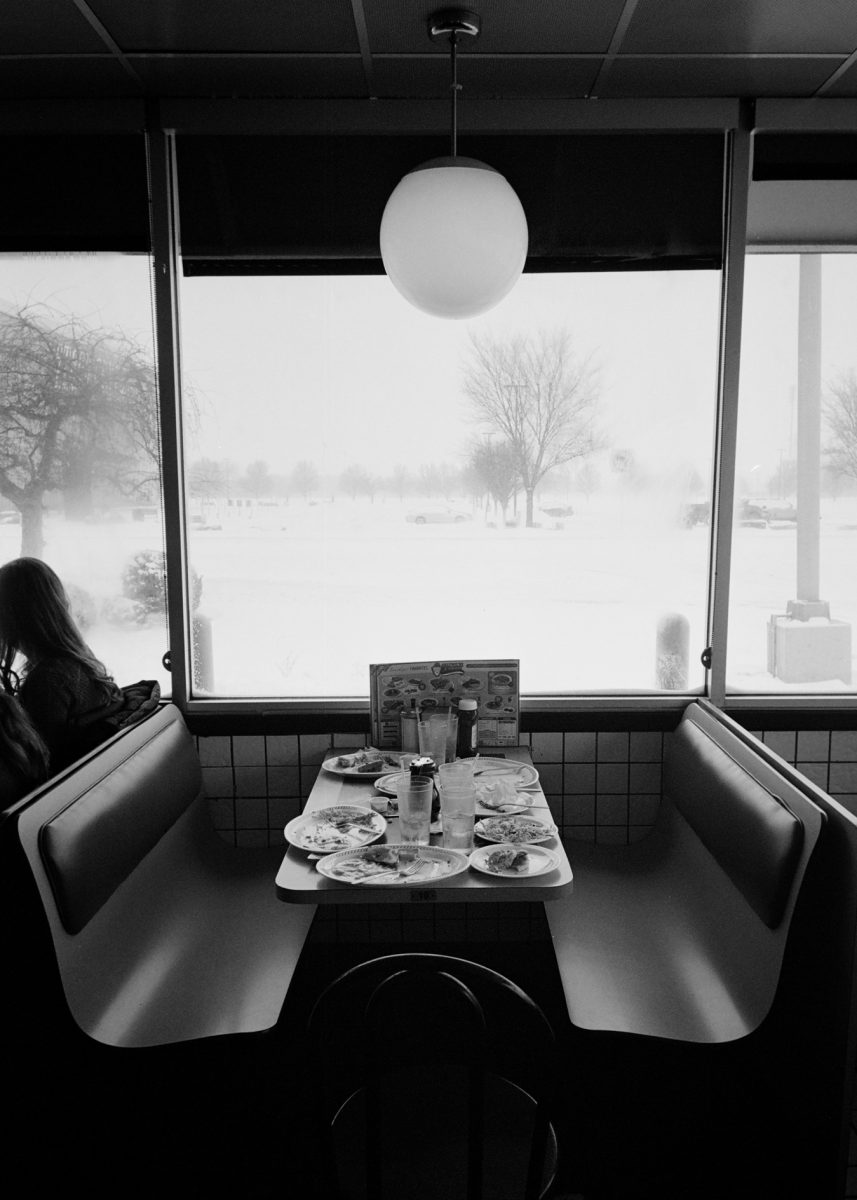
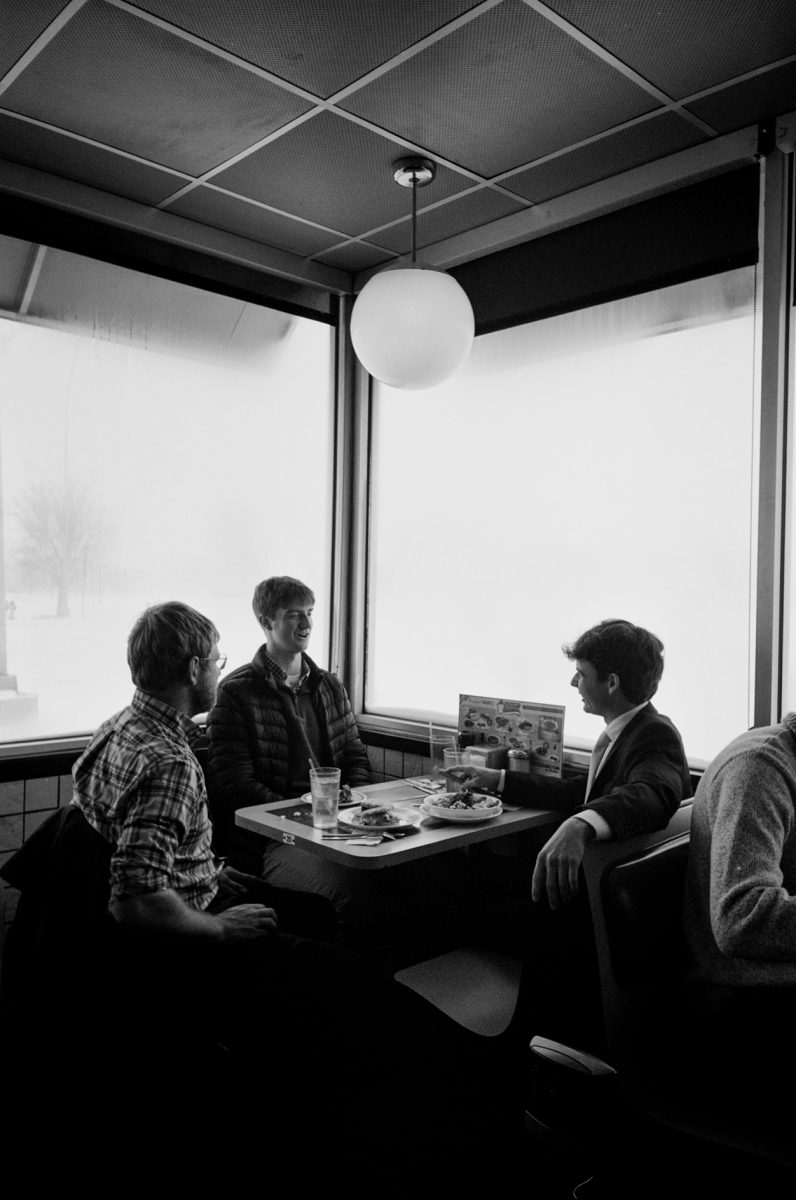
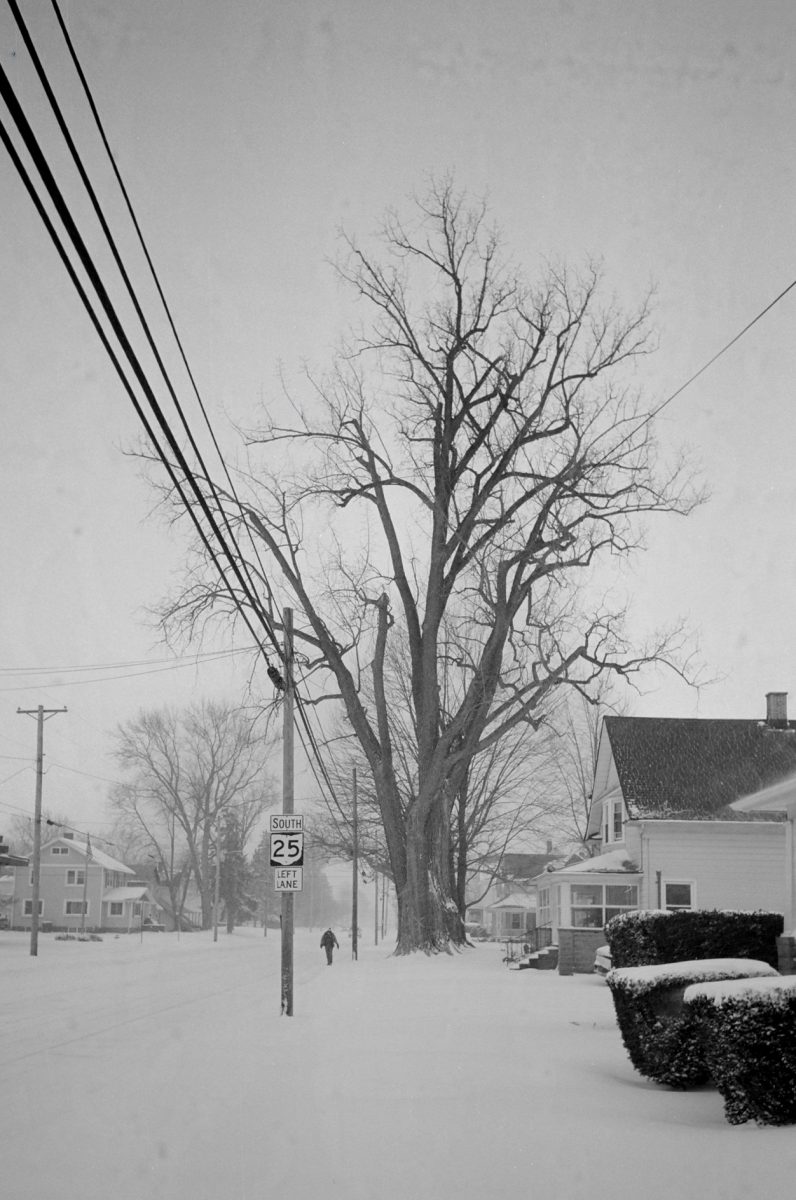
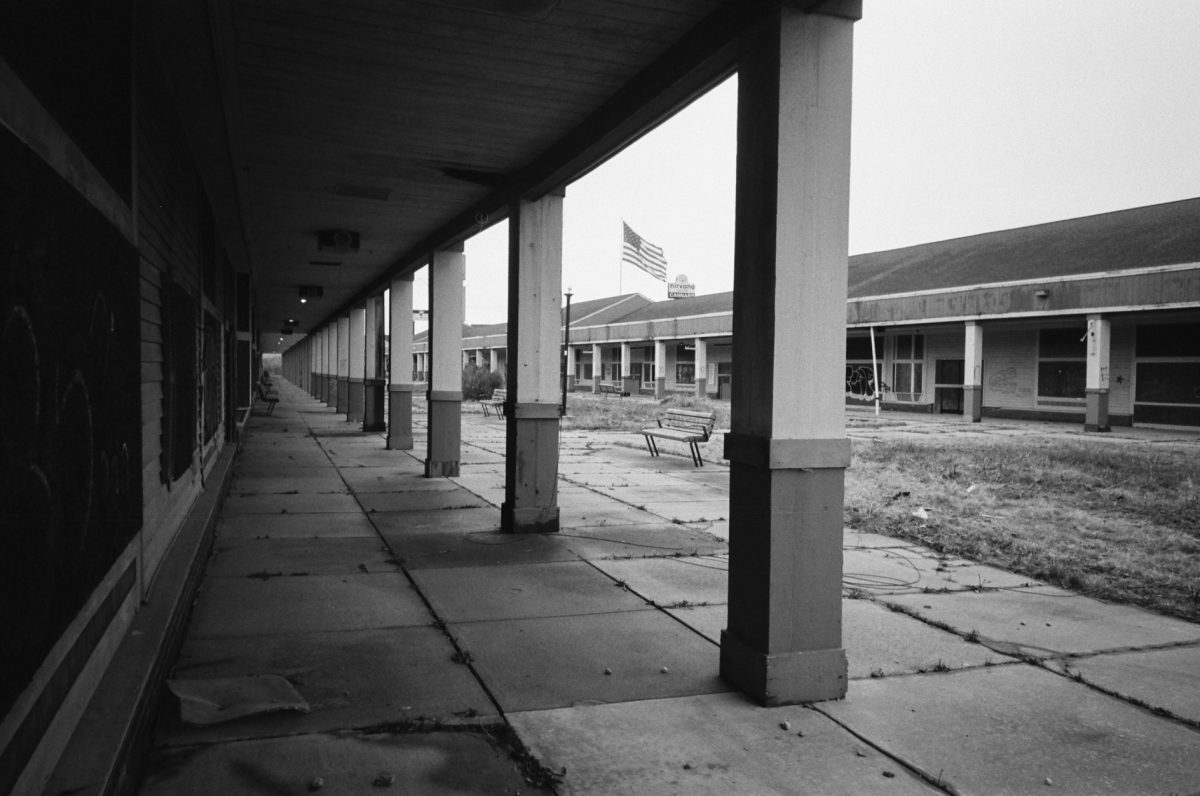
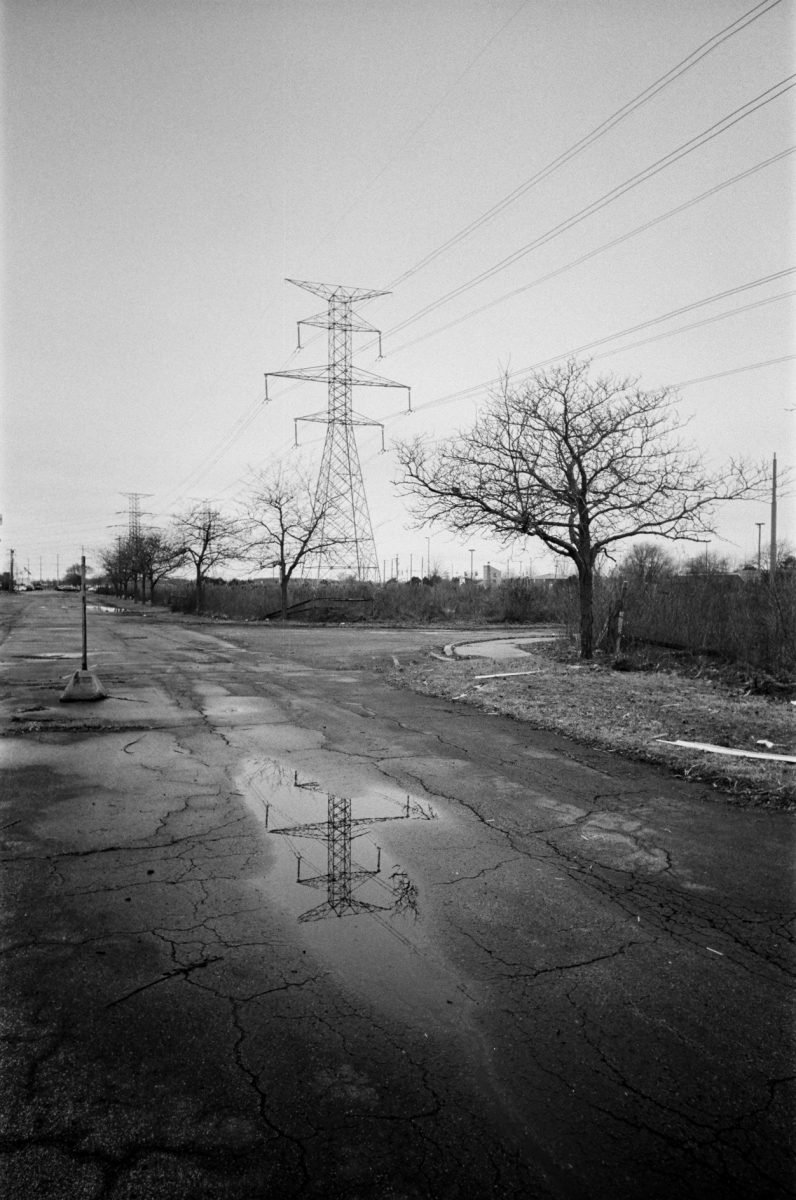
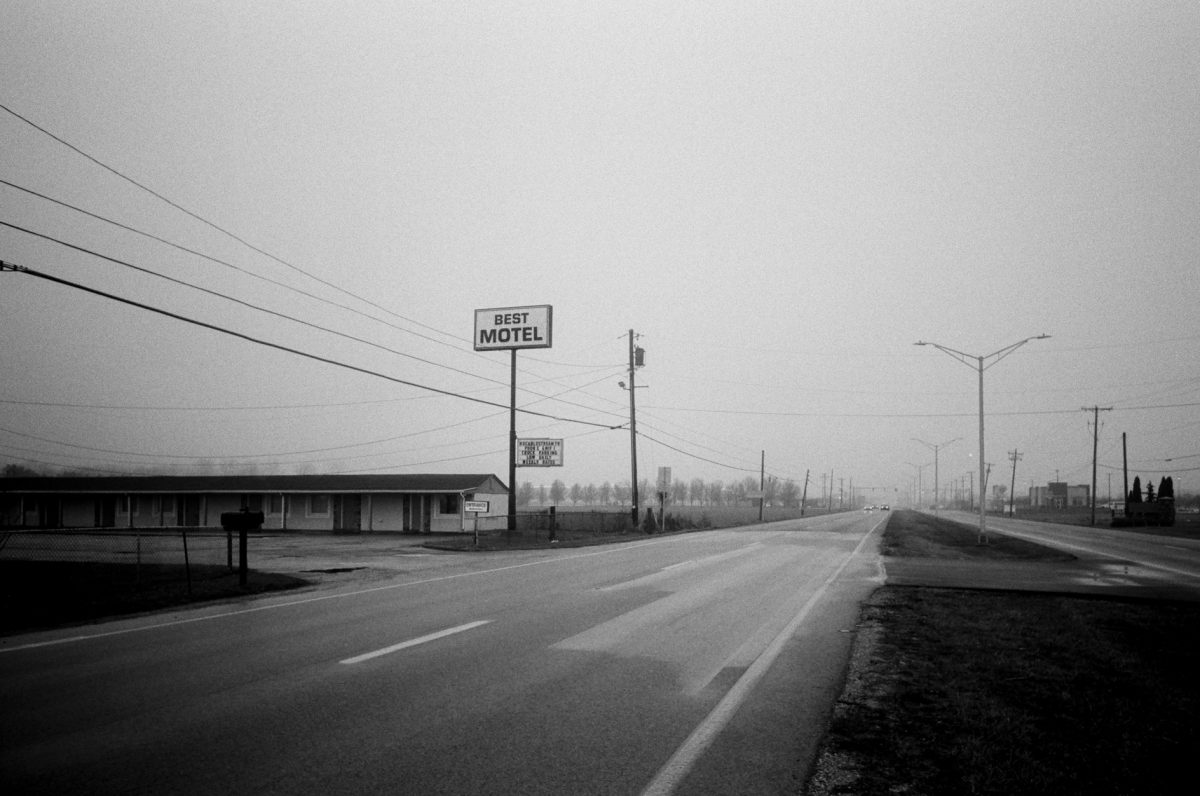
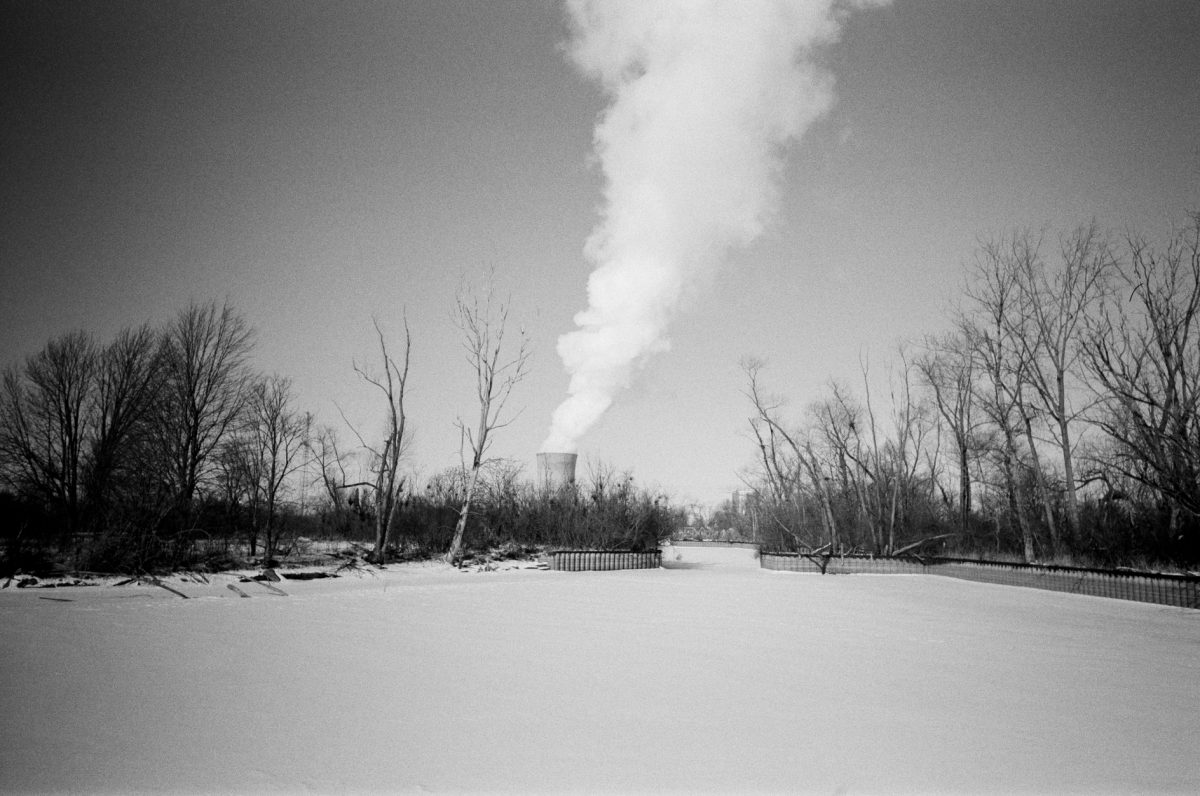
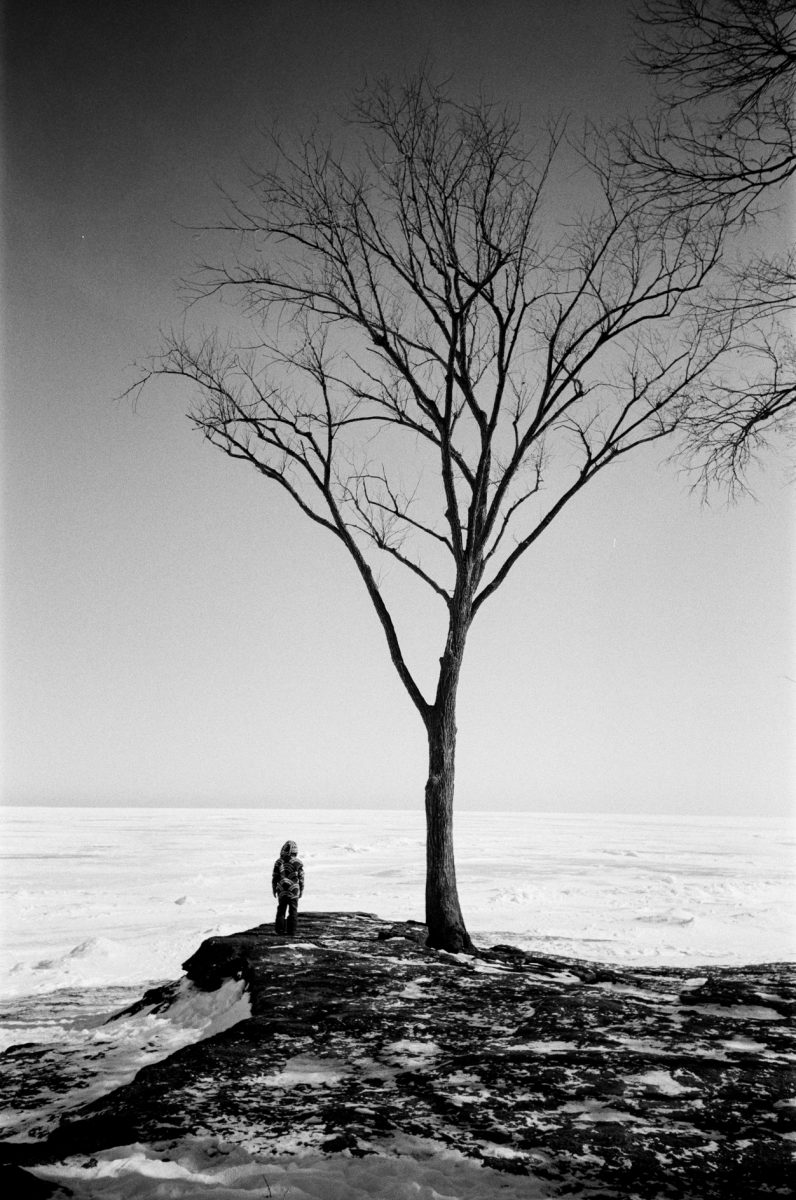
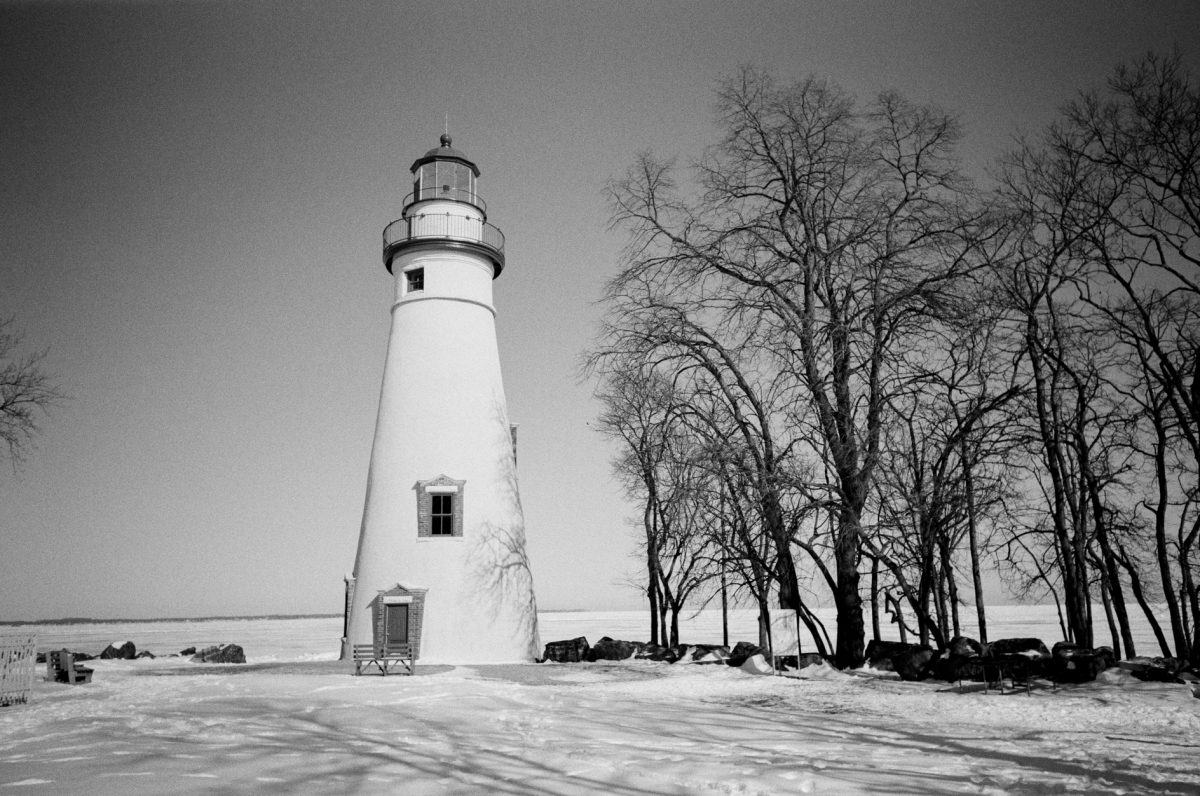
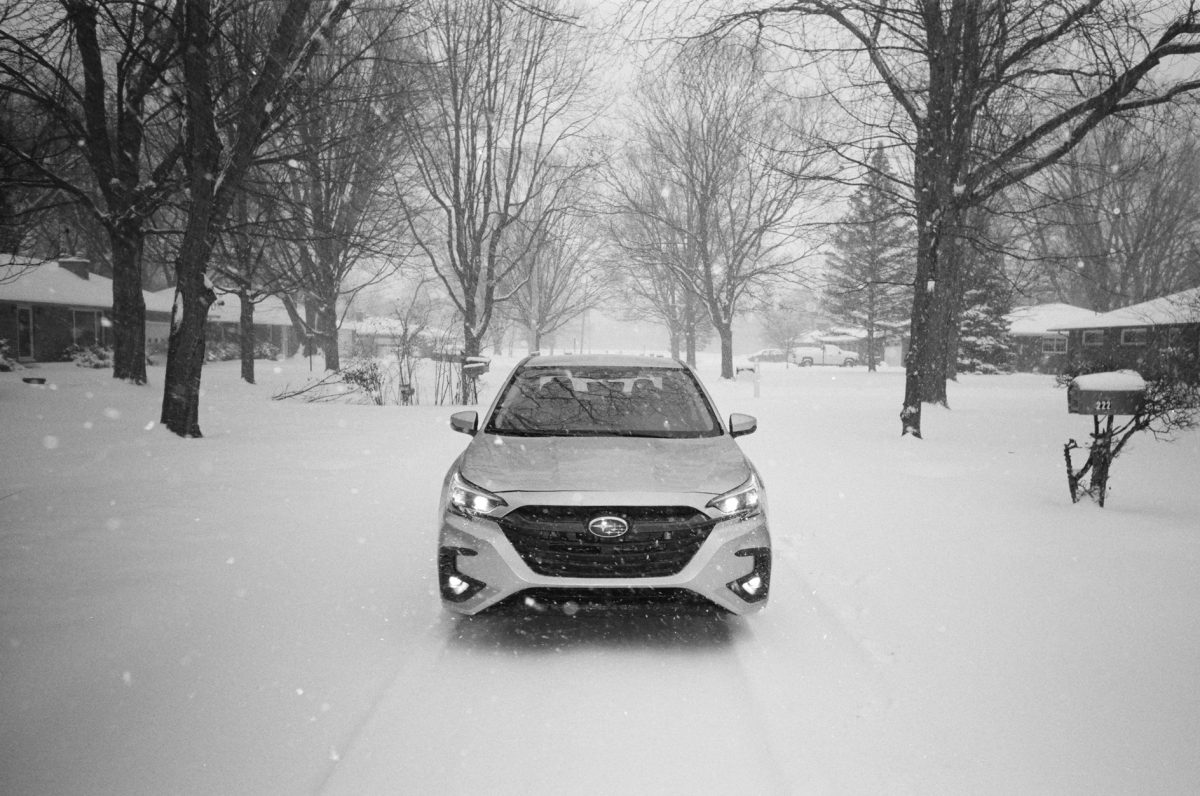
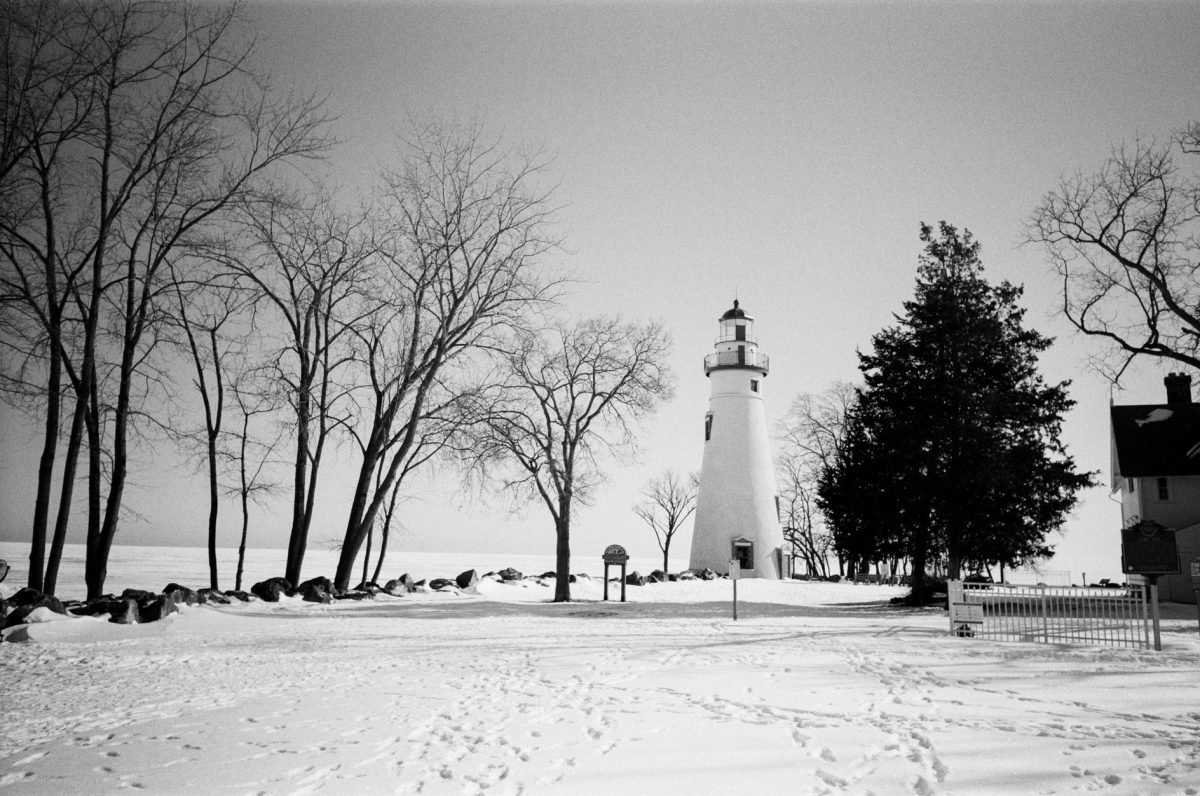
After putting multiple rolls through the Kodak Snapic A1, the consistent takeaway is this: if you use it correctly, it delivers very good images. The 25mm glass lens produces solid sharpness, the wide angle gives your photos an immersive feel, and the dual focus zones offer noticeably more control than basic fixed focus cameras. Auto advance and auto rewind add a level of convenience that makes it feel modern and easy to carry every day.
It has quietly become one of those companion cameras that’s small enough to bring anywhere and simple enough for beginners, yet still interesting for experienced film shooters. It’s not trying to compete with high-end autofocus point and shoot cameras. It’s designed to be straightforward and reliable, and within that space, it performs well.
Is it perfect? No. Exposure compensation or ISO selection would make it more flexible in mixed lighting. But at $100, it offers a sharp glass lens, dual zone focus, multiple flash modes, and multiple exposure capability in a compact, travel-friendly design.
We’re already seeing more Snapic A1 rolls coming through the lab, and the results have been strong. If you pick one up, we’d love to see what you create. And when you’re ready to develop your 35mm film, The Darkroom is here to help.