










 FAQ
FAQ


A Brand New Creative Color Film
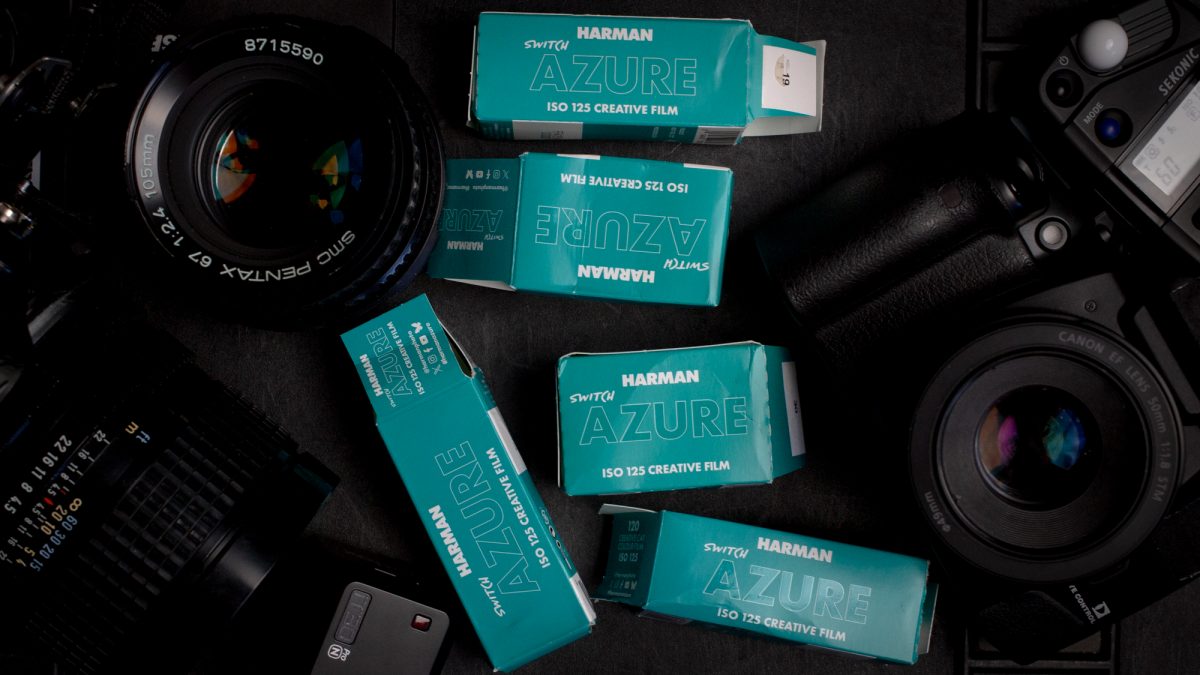
We recently had the chance to test a brand new color film called Harman Switch Azure. It’s a 125 ISO creative color negative film available in both 35mm and 120, and it comes from Harman, the same company behind Phoenix 200, Harman Red, Kentmere, and the full lineup of Ilford black and white films. If you’re familiar with Harman’s recent experimental releases, you know they’re not afraid to push color in new directions.
What made this test especially fun is that we were given zero context going into it. No sample images, no spec sheet, no guidance on what to expect. Just the name “Azure” and turquoise-blue packaging, which hinted that something creative and color-shifted was coming. So we did what we like to do best: loaded it up, shot it at box speed, and let the film surprise us. The 35mm rolls were shot in a Canon Elan 7 using either the 40mm f/2.8 or the 50mm f/1.8, and the 120 rolls were shot in a Pentax 67II with a variety of lenses.
Everything was metered and shot at ISO 125 with no intentional overexposure. That lack of expectation was refreshing. Most of the time, when we load a roll of film, we already have a pretty good idea of how it will behave. With Harman Azure, we didn’t. It felt like opening a mystery box, and that sense of discovery carried through the entire process.
Development, Scanning, and Color Characteristics
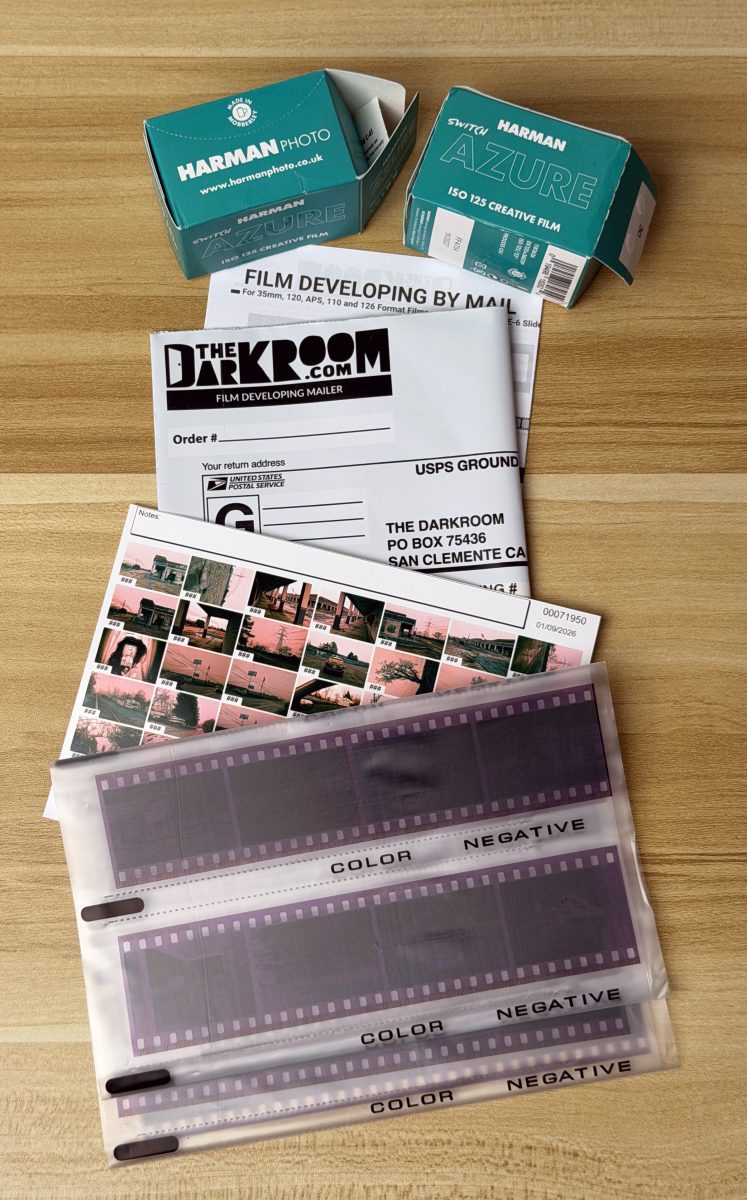
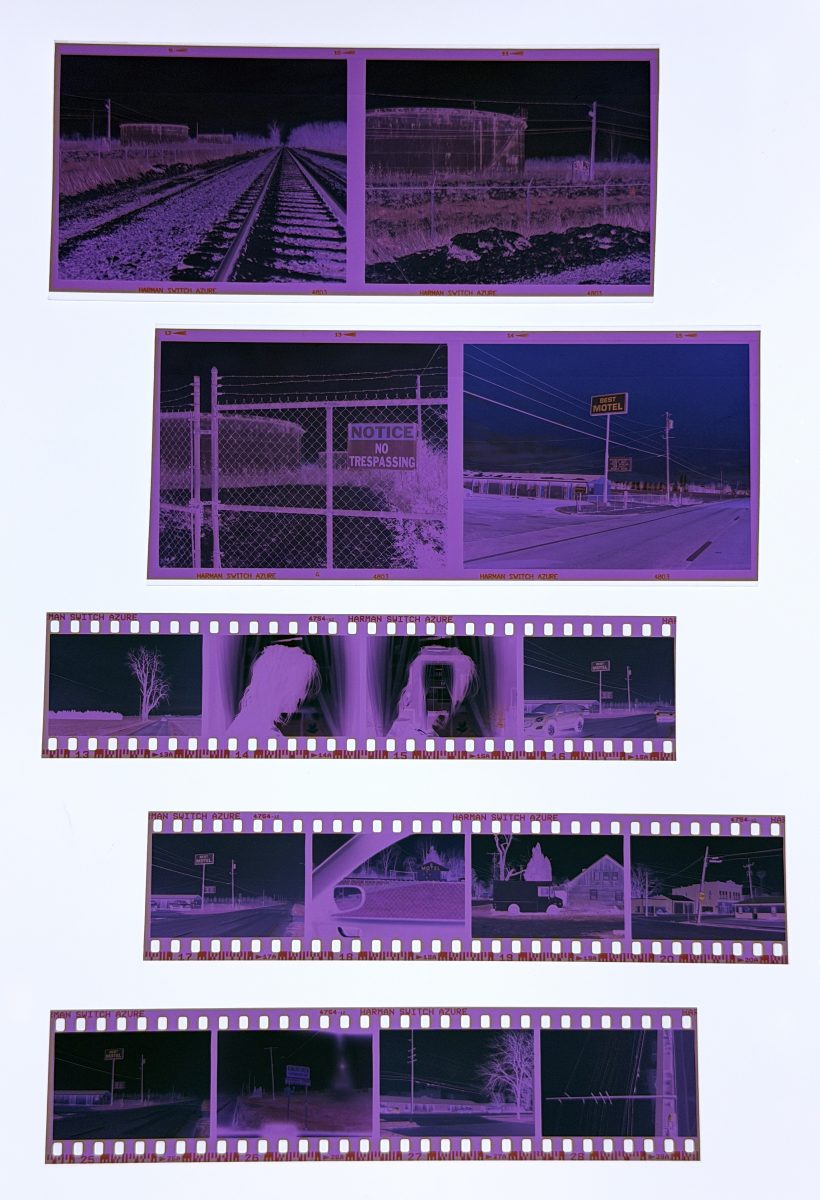
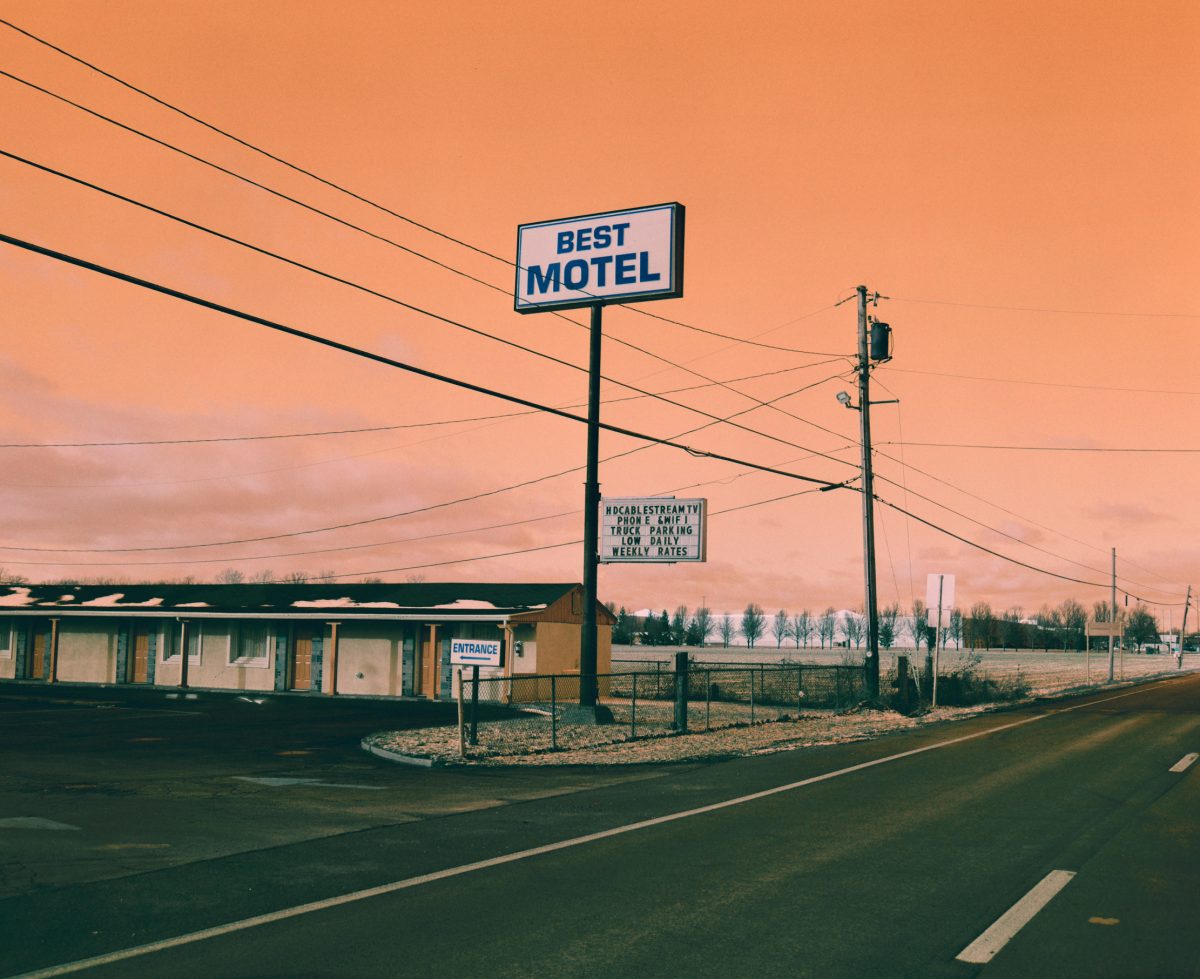
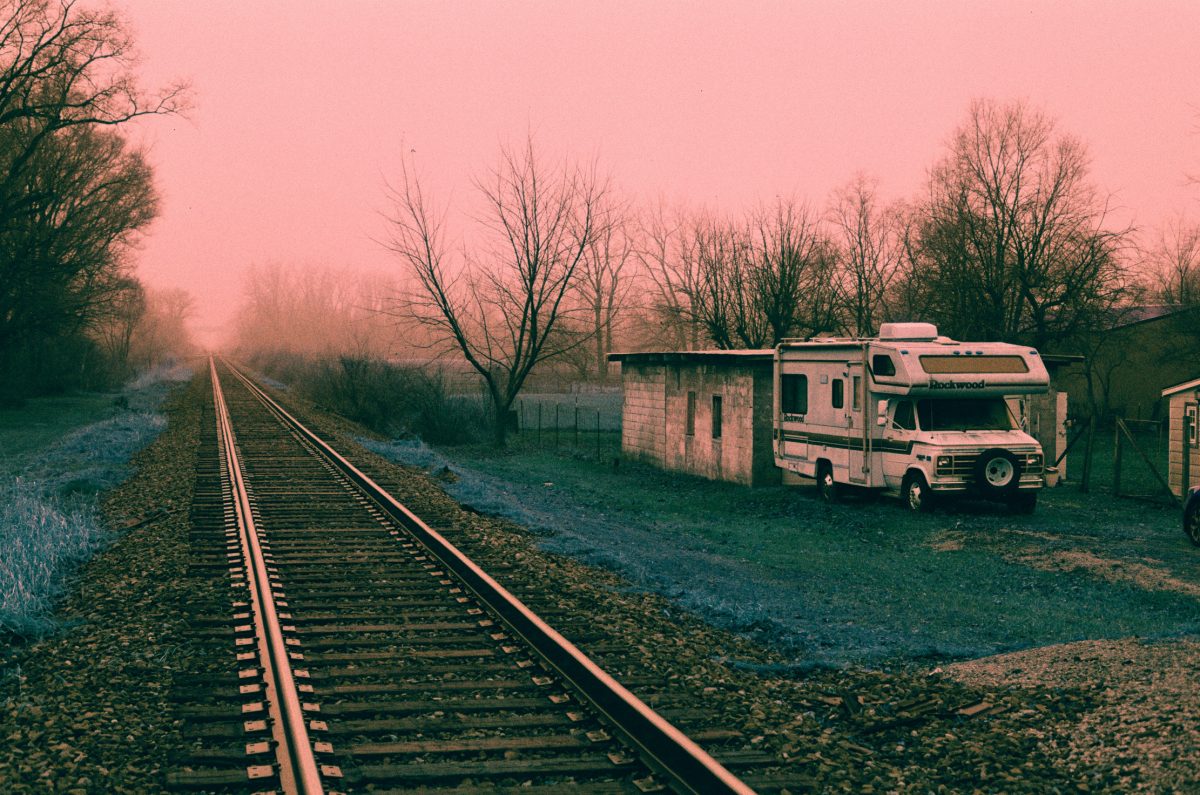
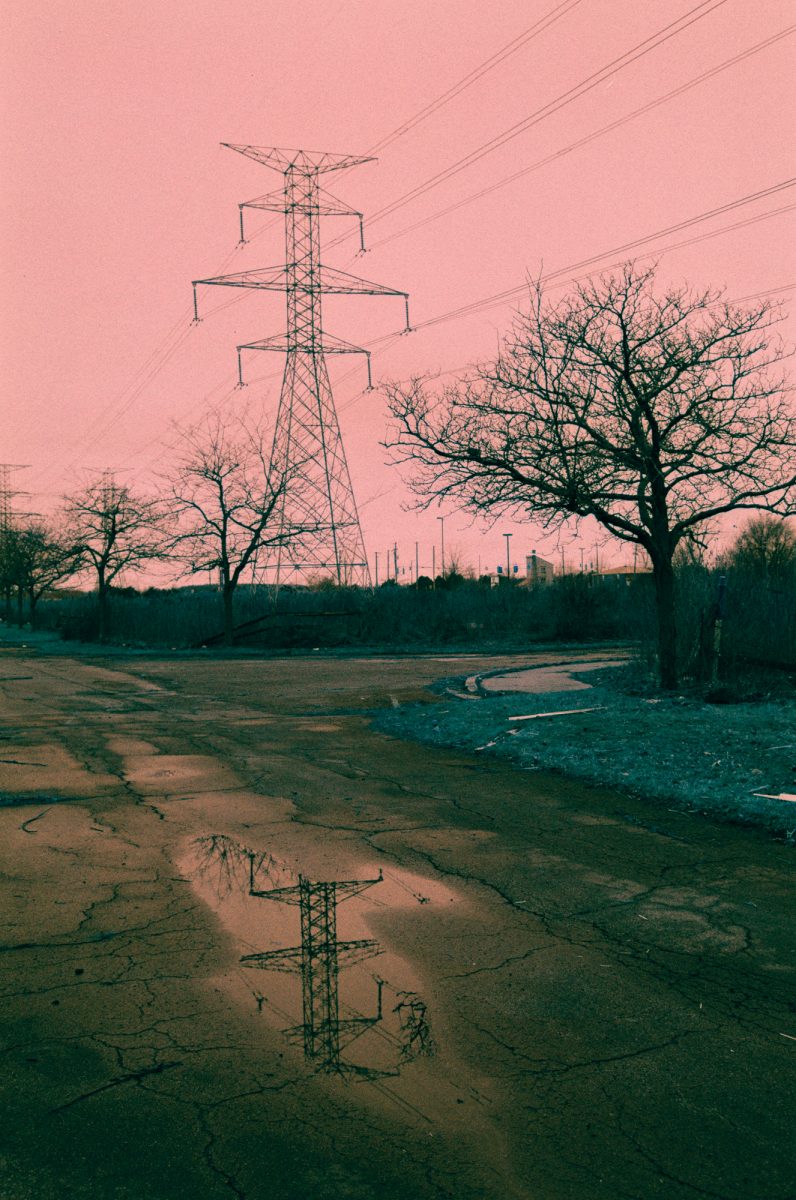
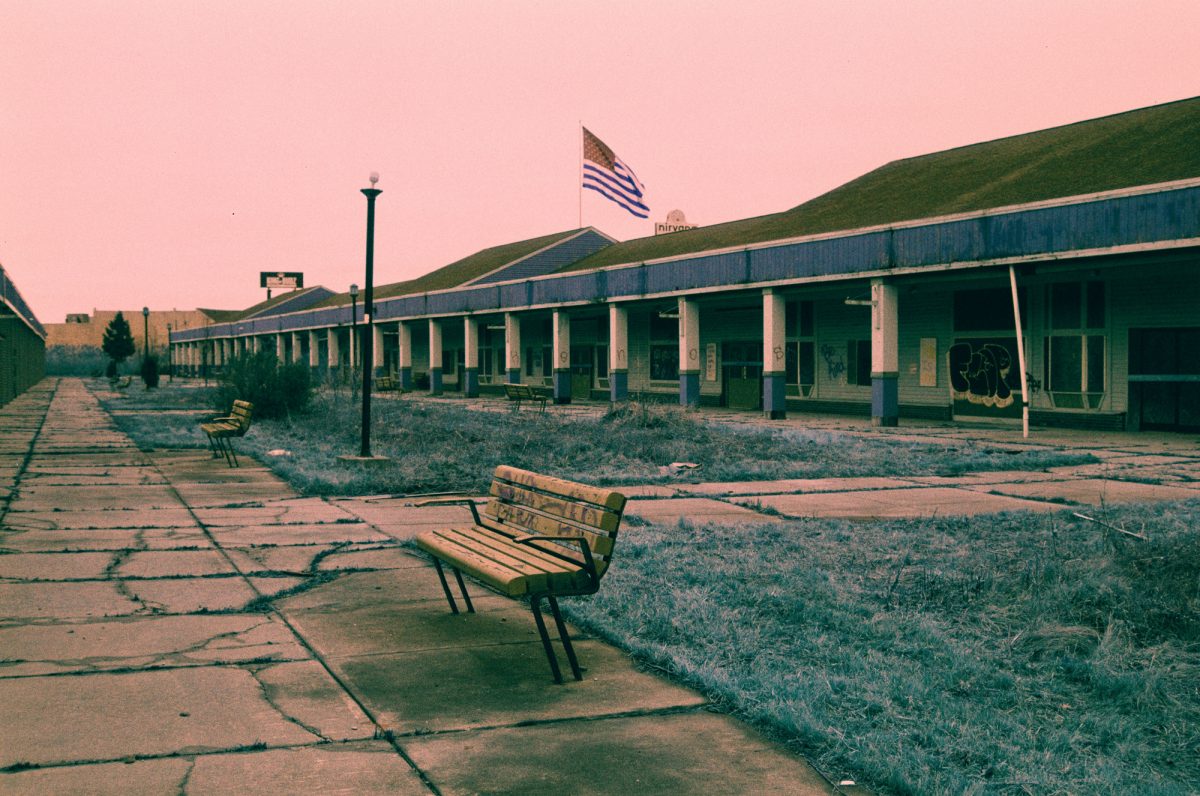
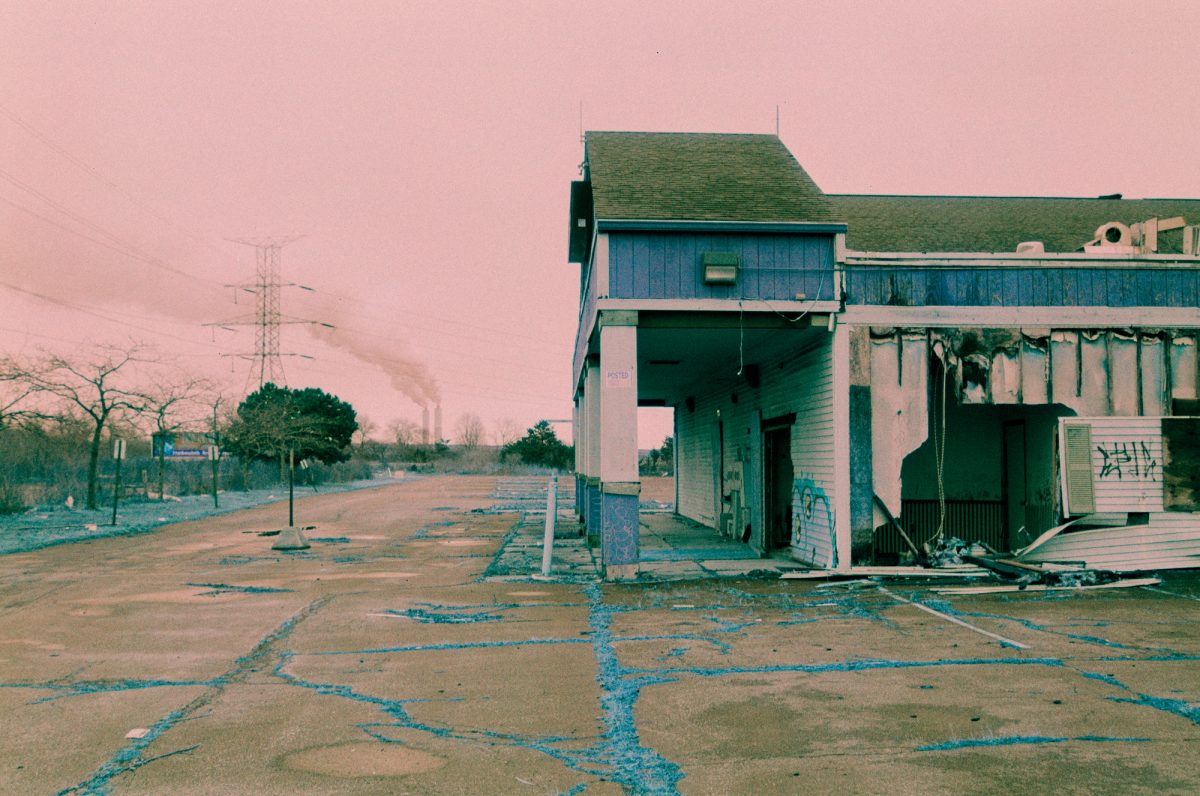
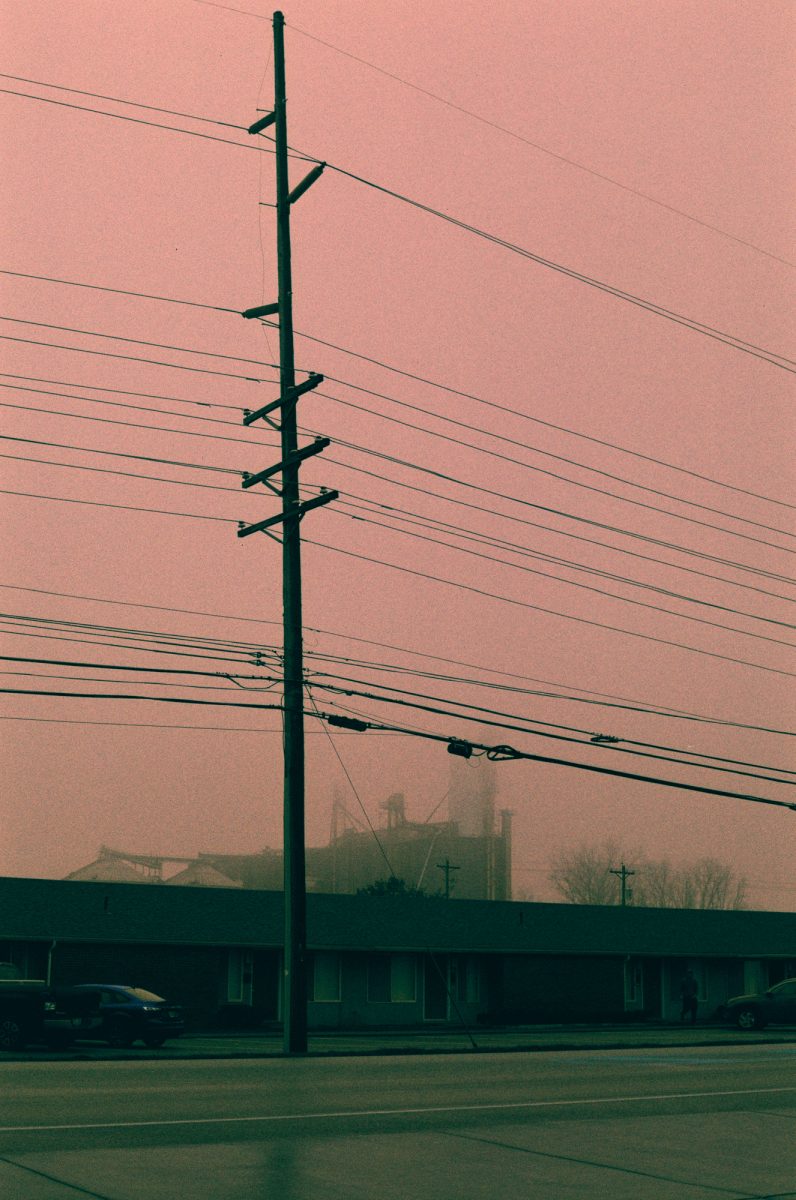
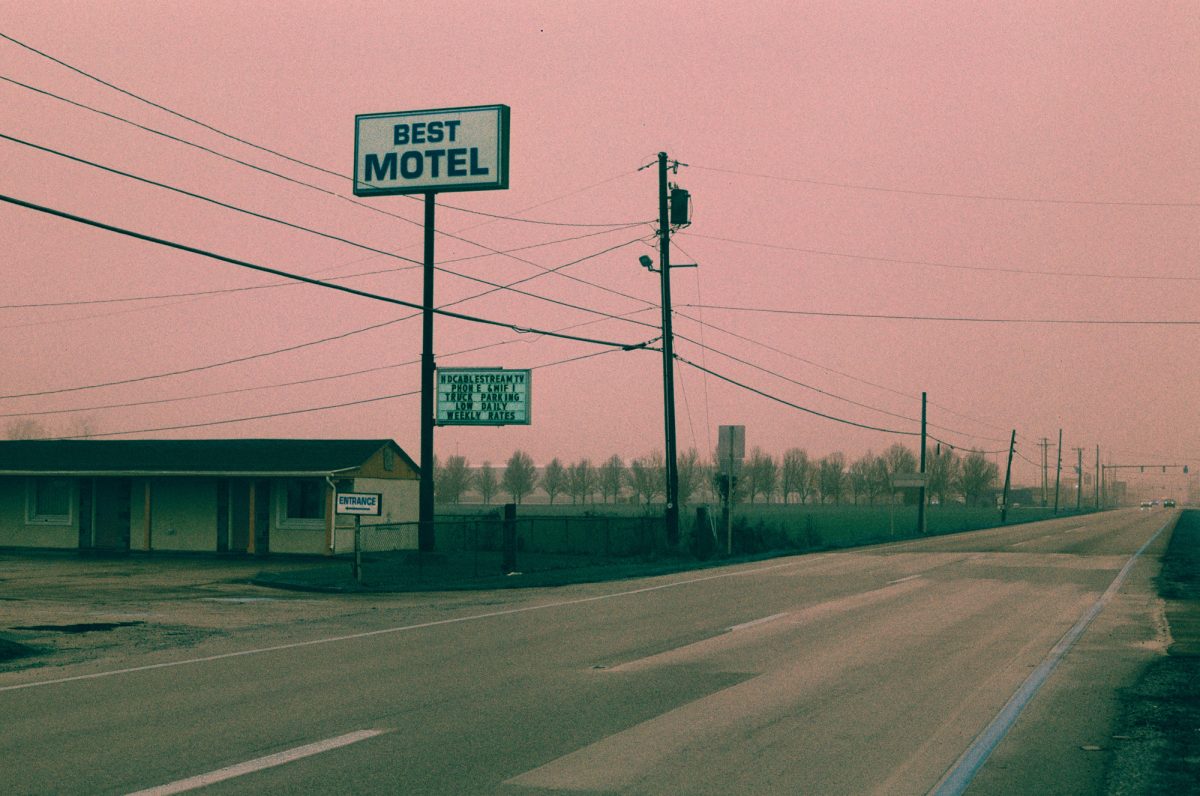
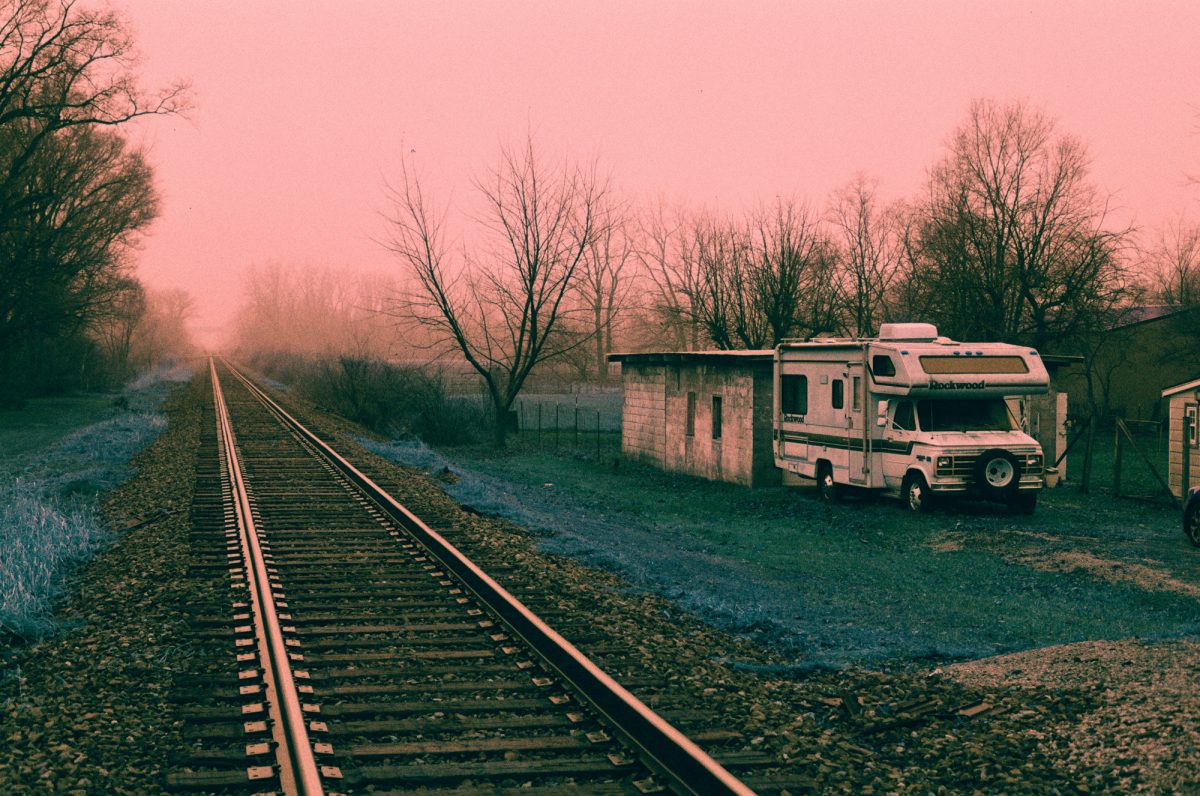
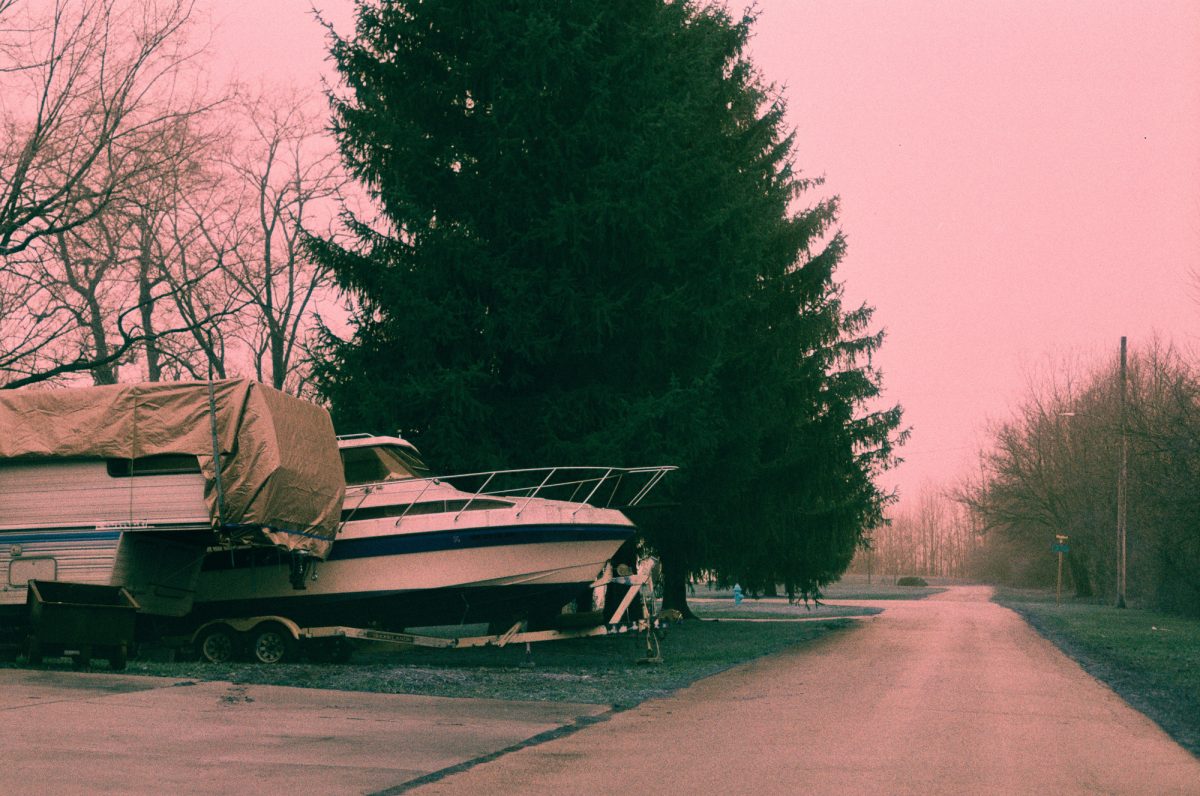
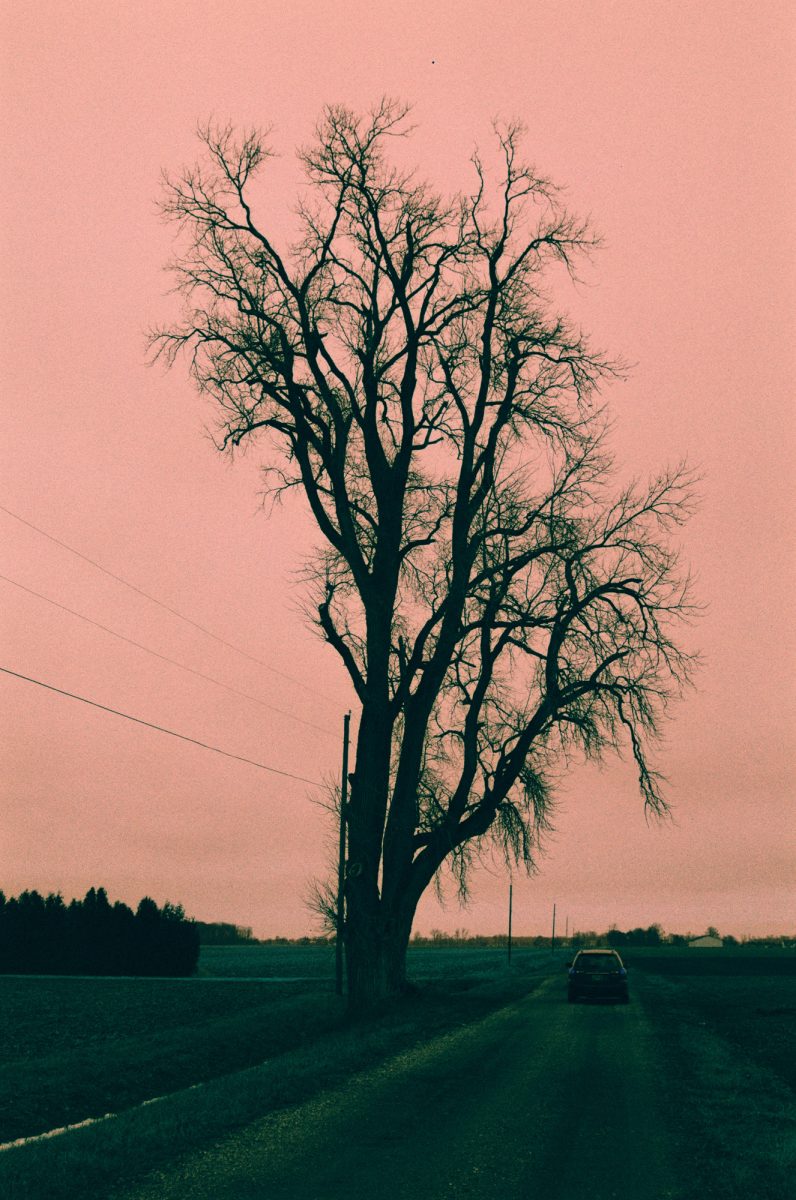
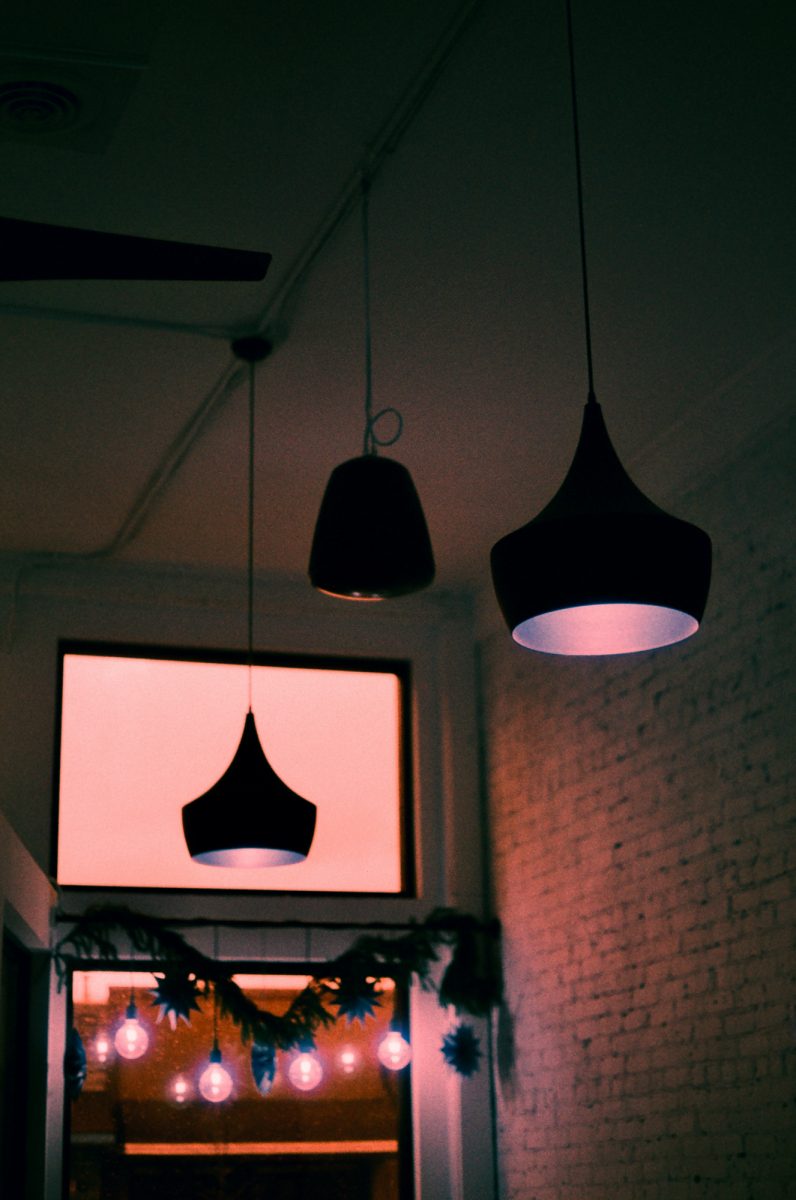
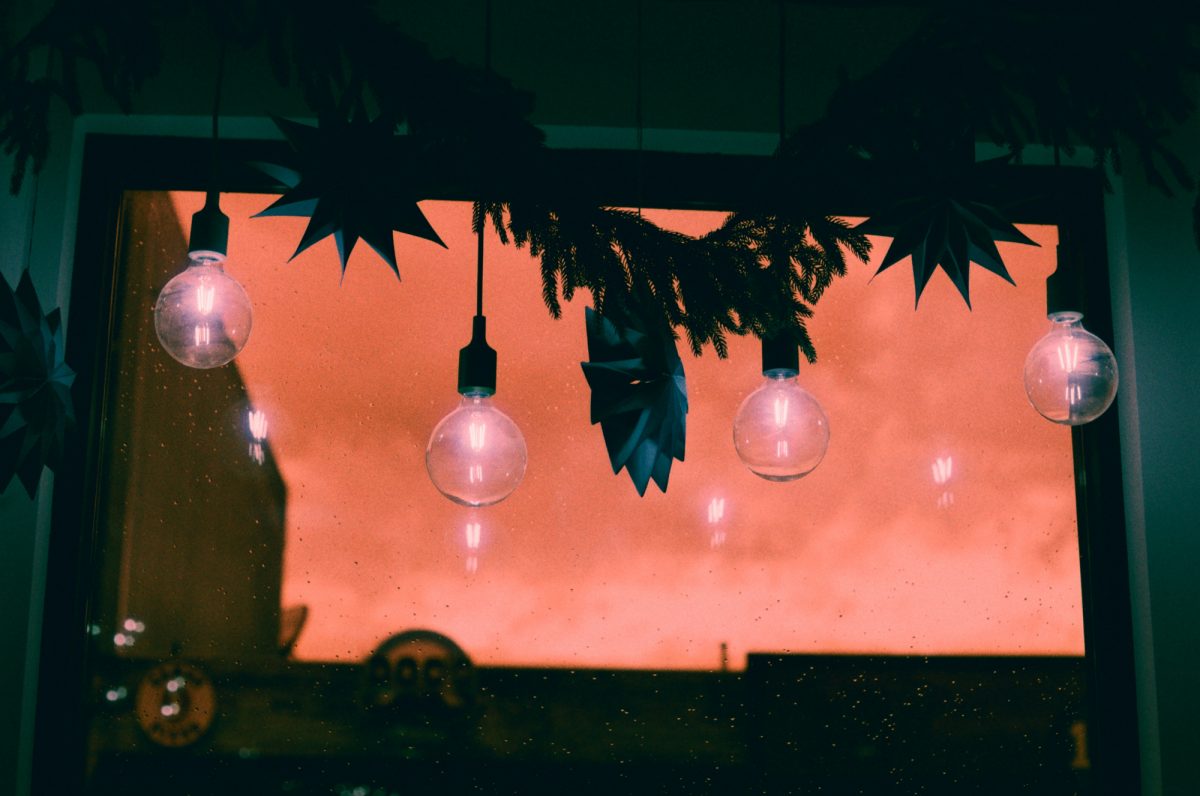
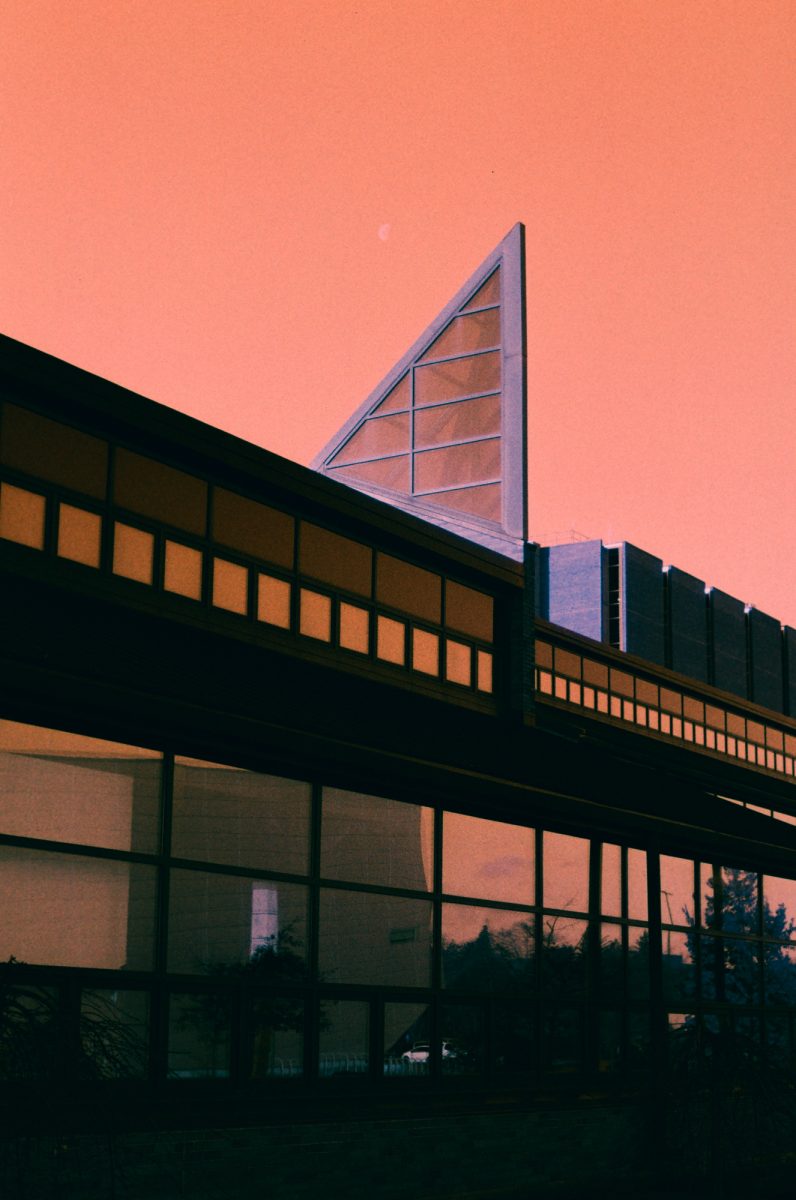
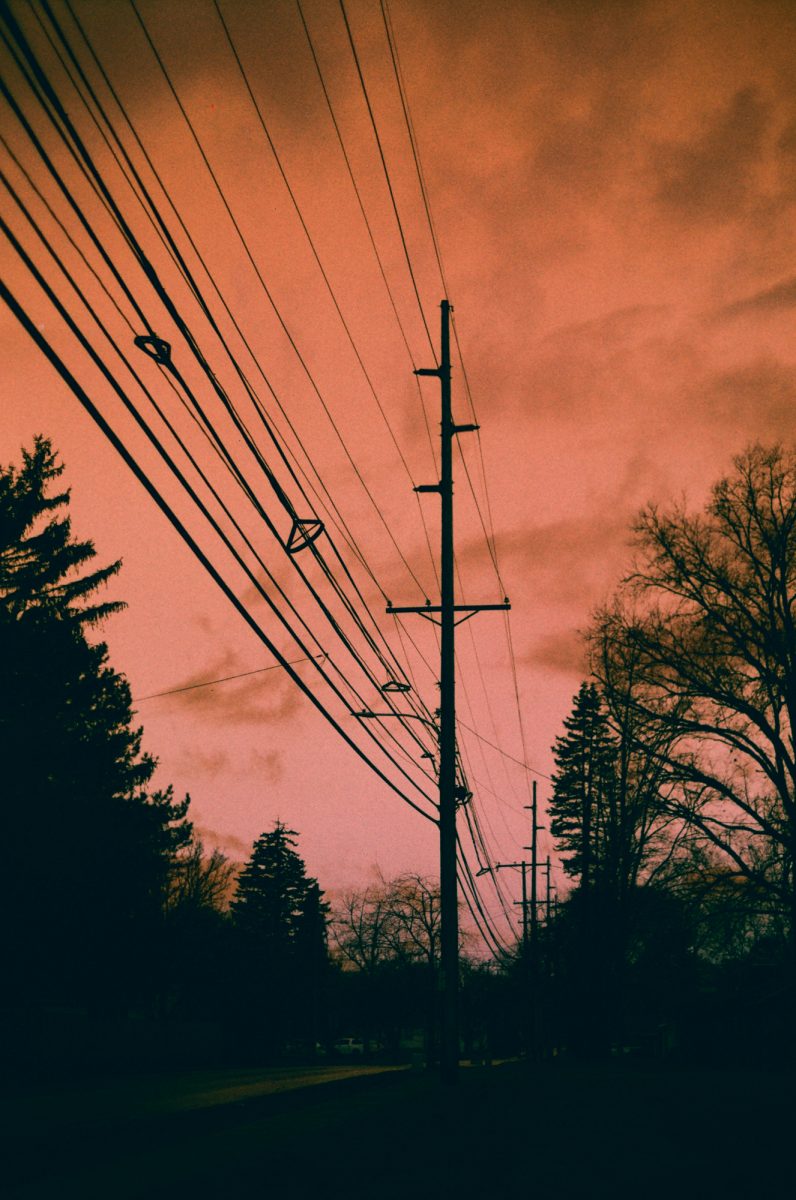
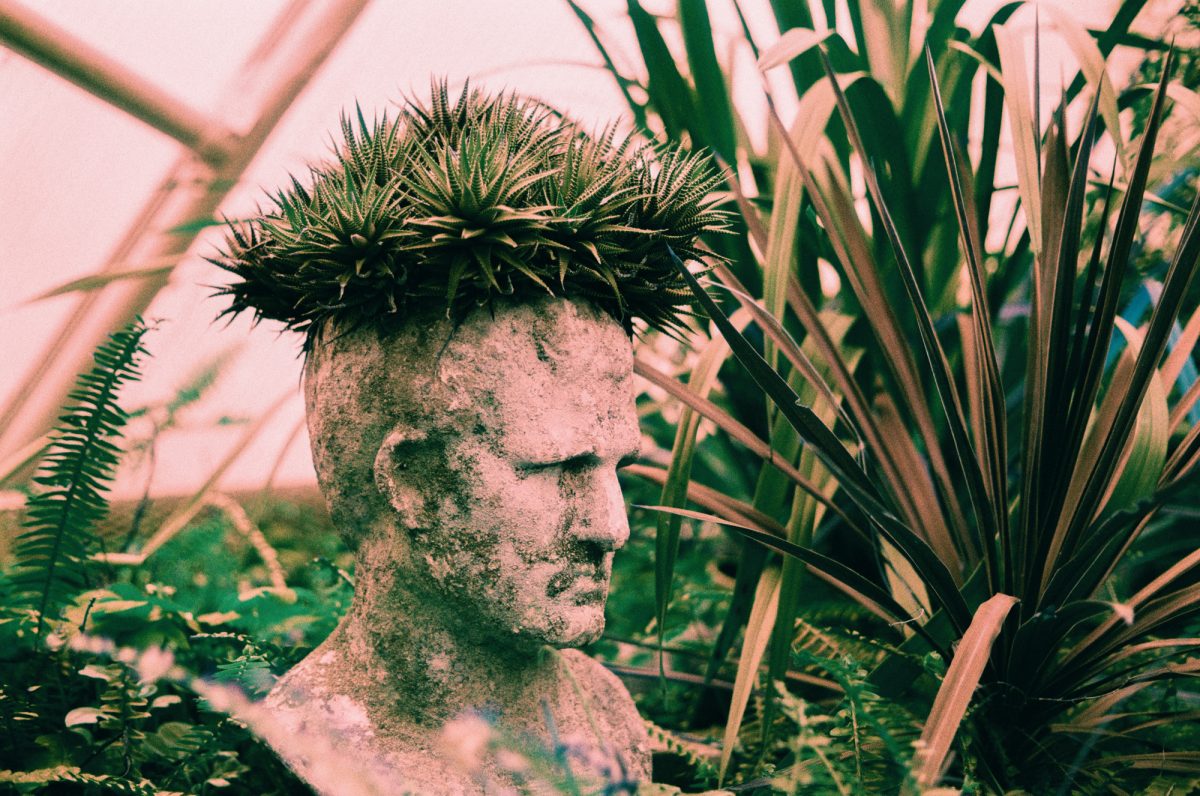
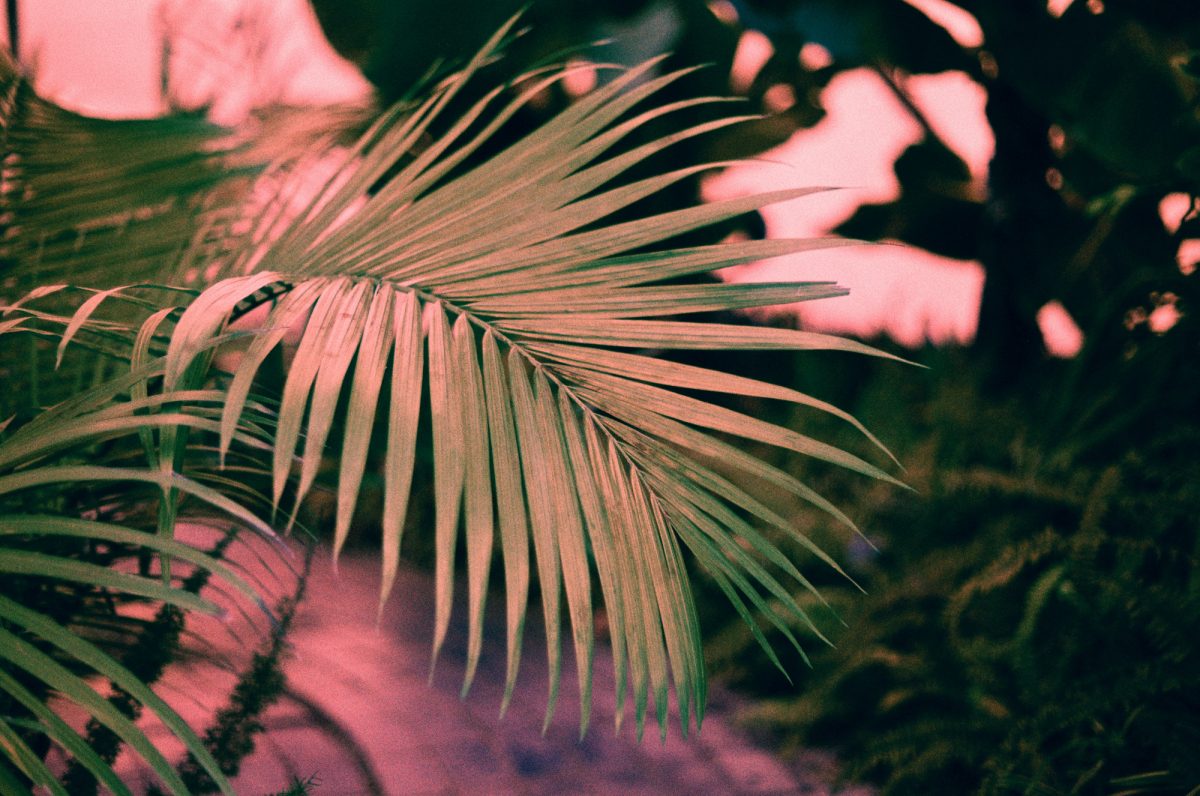
Once developed, all rolls were scanned on our Noritsu HS-1800, which is one of the primary scanners we use here at The Darkroom. We were genuinely surprised by the results. Harman Azure produces a look that’s very uncommon in modern film. It doesn’t just shift colors slightly, it transforms them. The closest currently available comparison is Lomochrome Turquoise, but there are some differences. While Harman Azure leans more toward blue and turquoise tones, Lomochrome Turquoise often shifts skies much more toward orange. Harman Azure can occasionally produce orange tones, but it more commonly produces pink and magenta skies and tends to have slightly lower contrast overall. It’s also more affordable and will likely be easier to find than Lomochrome Turquoise.
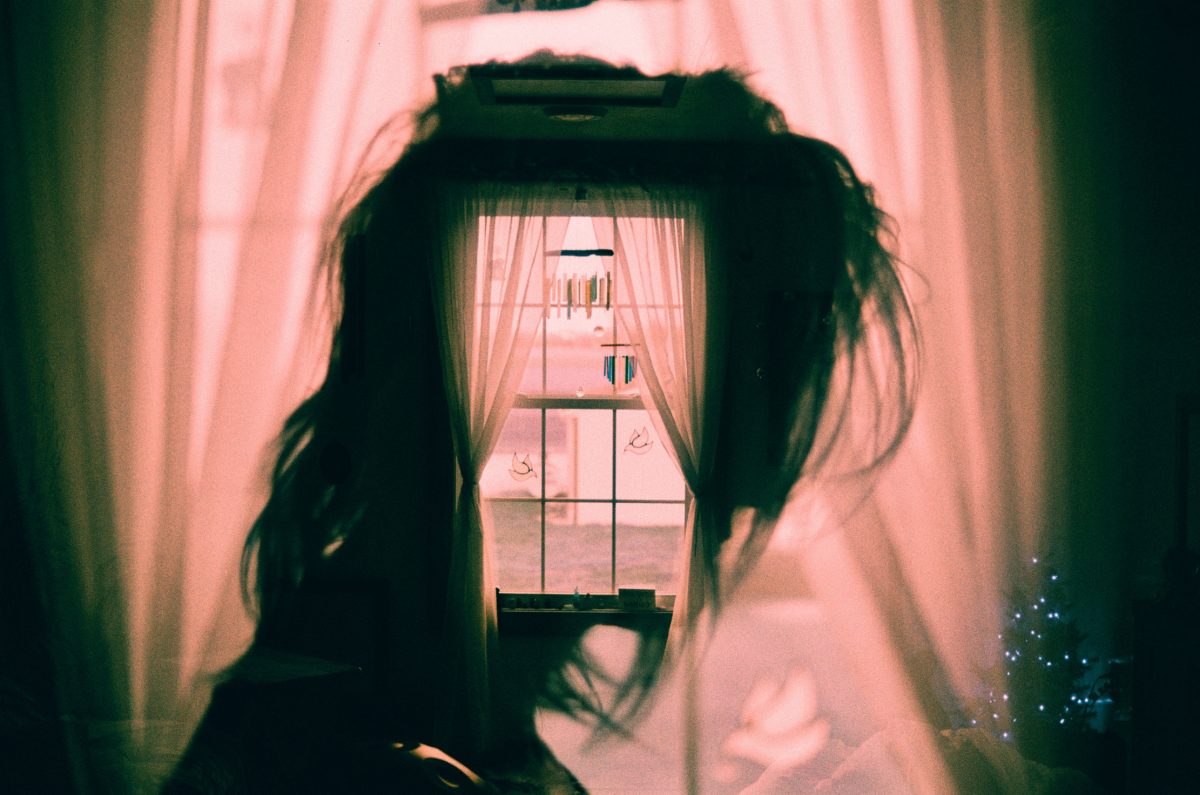
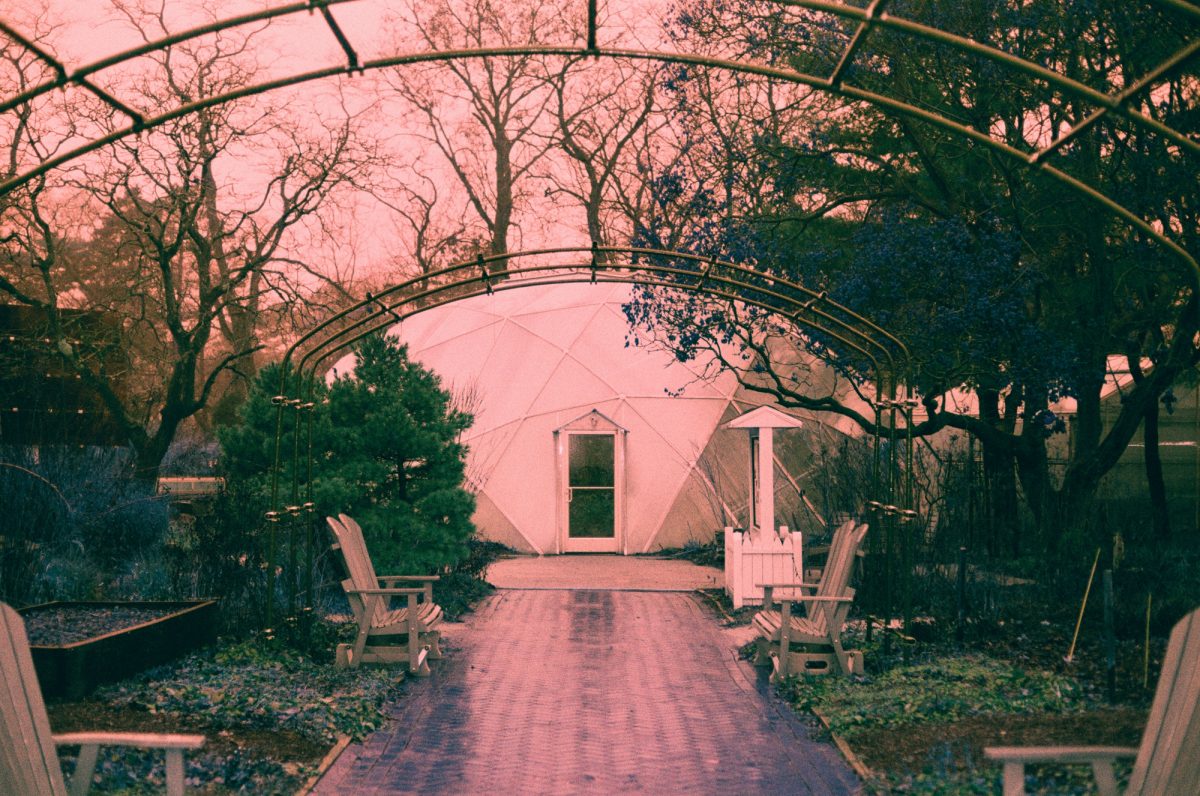
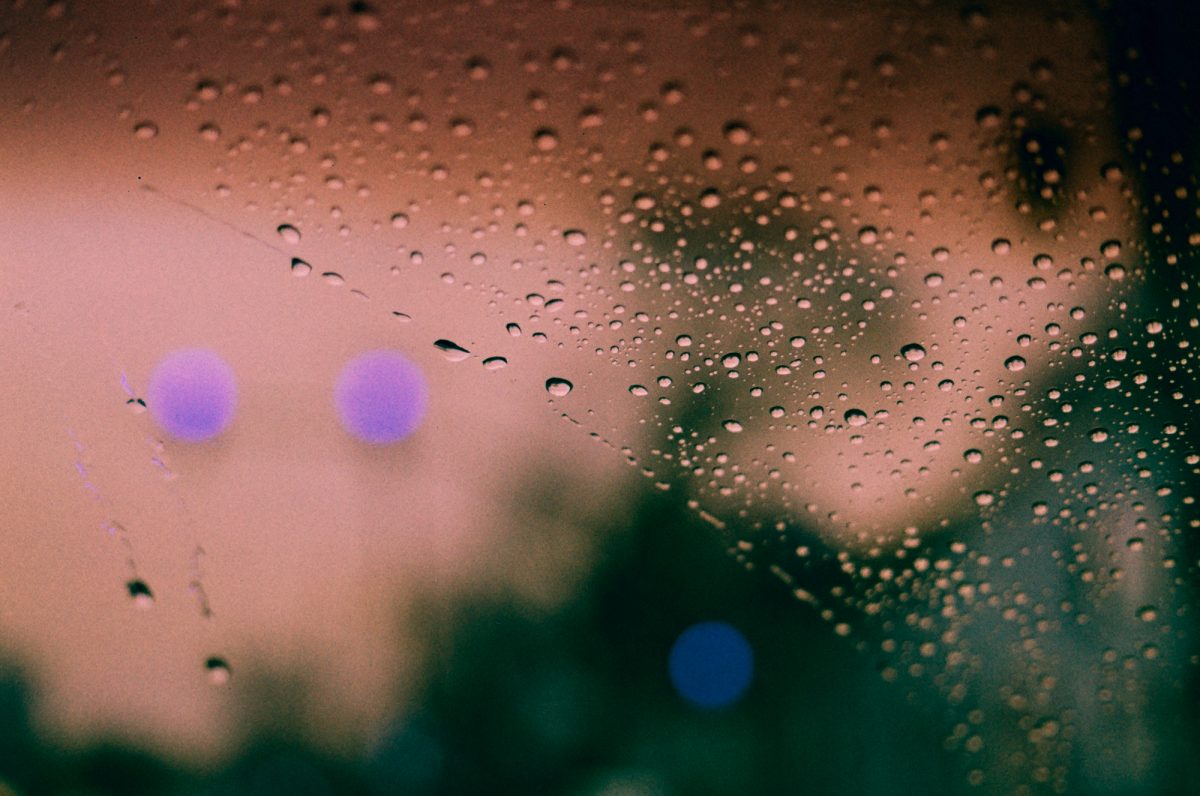
Harman Azure leans heavily into blues and turquoise tones. Colors that are normally yellow, tan, or brown often shift toward turquoise or blue, while greens tend to stay relatively unchanged. Depending on the scene, that can either work beautifully or create contrast you’ll want to be mindful of. Skies frequently move into pink and magenta territory, creating a surreal, otherworldly feel. The pinkish magentas resemble severely expired film, but with far more consistency and intention. Everyday locations suddenly feel like they belong on a distant planet. It’s creative film in the truest sense. Not subtle, not neutral, and definitely not trying to look accurate.
Tips for Shooting Harman Azure & Who This Film Is (and Isn’t) For
Harman Azure is not a film with wide exposure latitude, and that’s important to understand going in. It performs best when treated intentionally rather than casually. We recommend shooting it at box speed (ISO 125) and avoiding overexposure, as this film does not reward erring on the bright side. Moody, even light works best, especially overcast, foggy, or lower-contrast conditions. Minimal scenes tend to shine, allowing the bold color shifts to become the subject. It’s also important to be mindful of green tones. Since greens stay mostly unchanged, they can sometimes clash with the turquoise and magenta palette. Winter and muted environments work beautifully, as dead grass, tan surfaces, and neutral tones produce the strongest and most striking color transformations.
Harman Azure isn’t an everyday color negative film, and it’s not meant to be. It’s not ideal for weddings, natural skin tones, or accurate documentation. Instead, it’s designed for photographers who enjoy creative films, expired film aesthetics, and experimenting with unexpected color. If you like transforming familiar scenes into something surreal and expressive, this film is a lot of fun. Those who enjoy Lomochrome Turquoise will notice some similarities, but also clear differences. Lomochrome Turquoise tends to lean more orange, while Harman Azure shifts more toward magenta and pink, giving it a cooler and slightly more otherworldly feel overall.
Final Thoughts on Harman Azure
Harman Azure is one of the more unique films we’ve tested in quite some time. It’s bold, surprising, and unapologetically creative. It won’t be for everyone, and that’s exactly the point. If you’re looking to shake things up, step outside of neutral color palettes, and turn everyday scenes into something that feels slightly alien and unexpected, this film delivers. It rewards intention, experimentation, and photographers who enjoy seeing familiar subjects rendered in completely new ways.
As a lab that develops, scans, and prints a wide range of creative films every day, including Lomochrome stocks, redscale films like Harman Red, and other experimental emulsions, we’ve found that Harman Azure benefits from thoughtful scanning and restraint rather than aggressive correction. We often build custom scanning profiles for creative films to ensure consistent, balanced results while preserving the distinctive look they’re designed to produce. With Harman Azure, careful development and scanning help its unique color shifts shine exactly as intended. If you’re interested in trying it yourself, we recommend picking up a roll at the filmphotographystore.com.
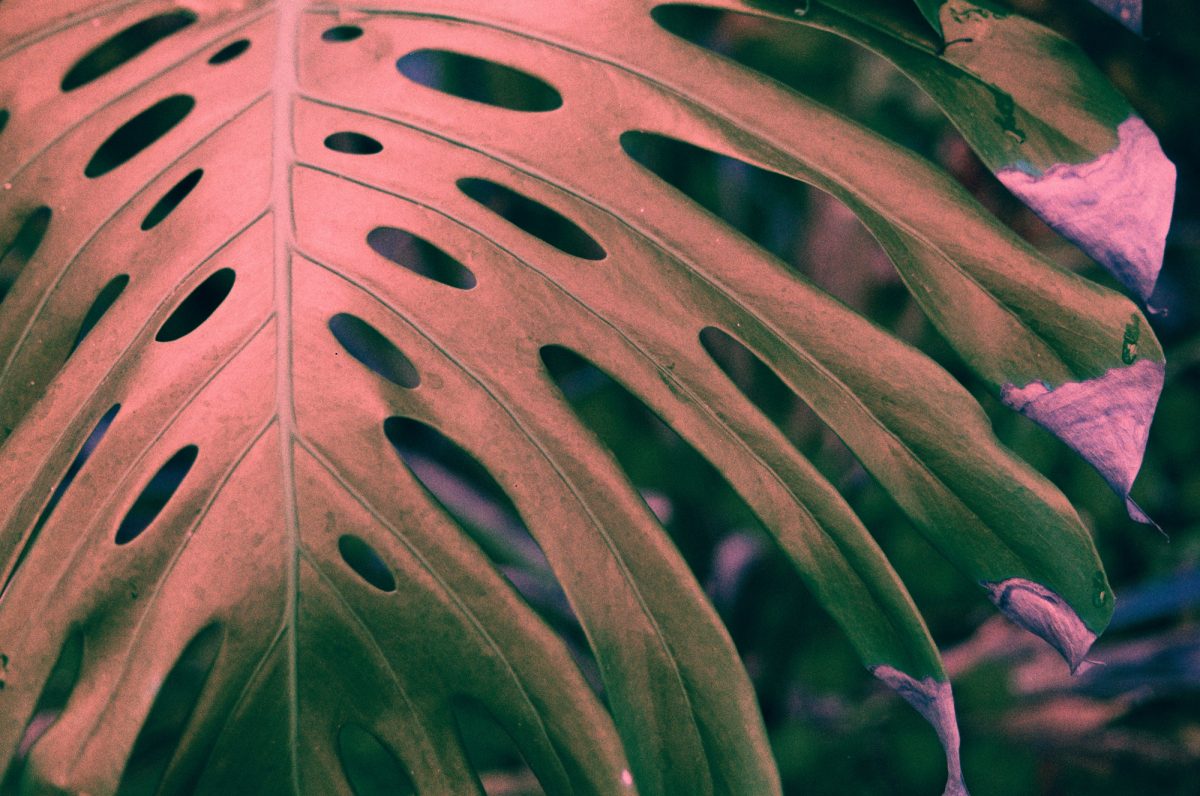
35mm & 120 Results
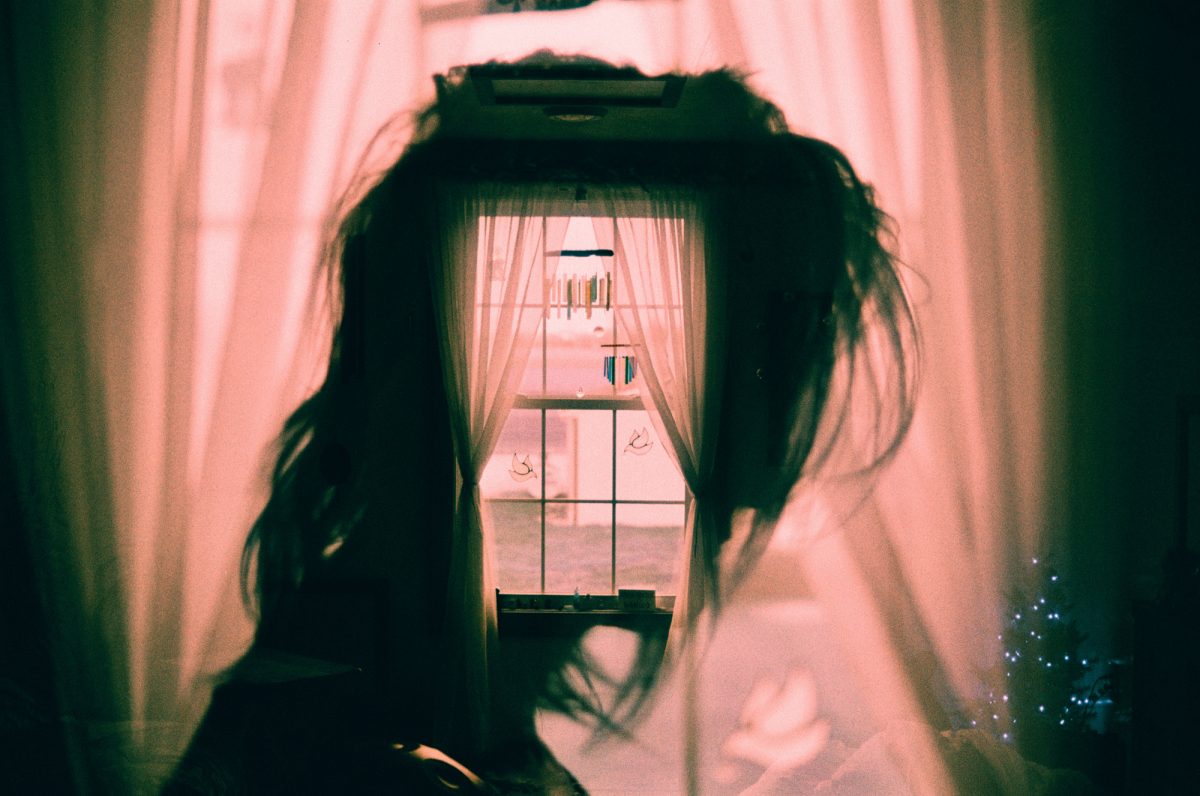
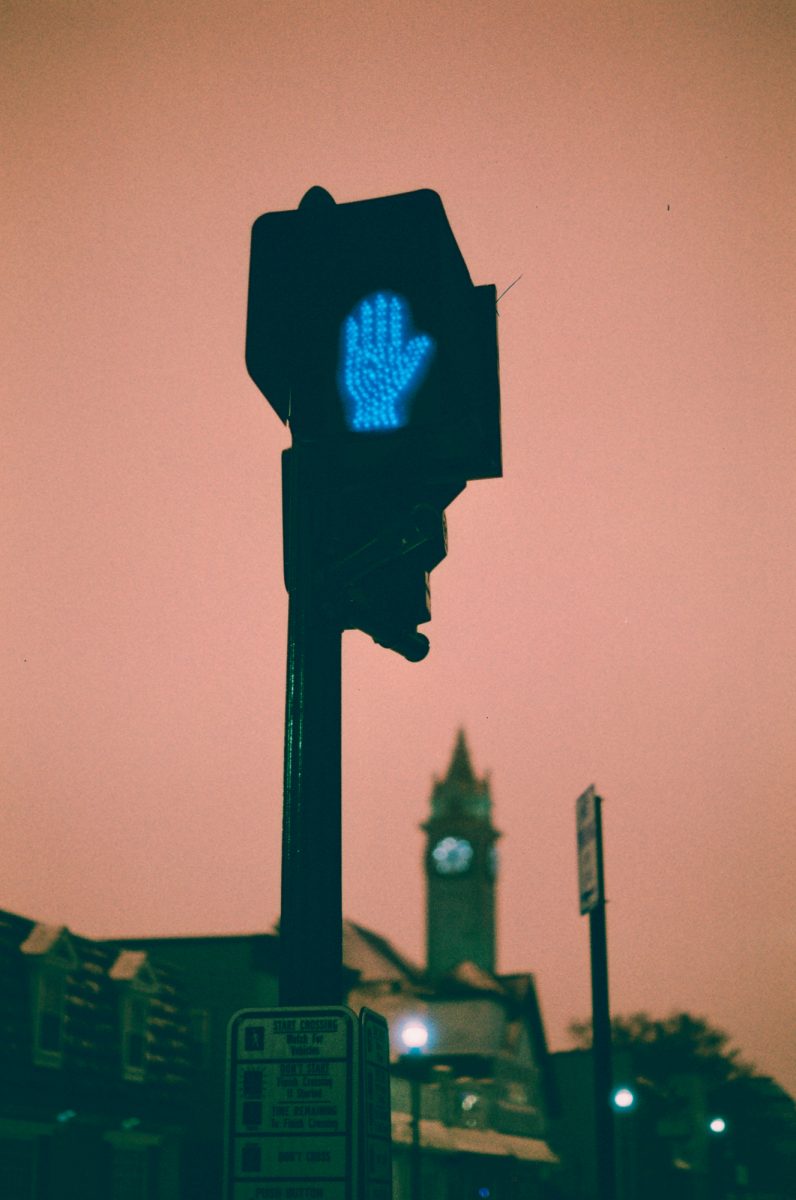
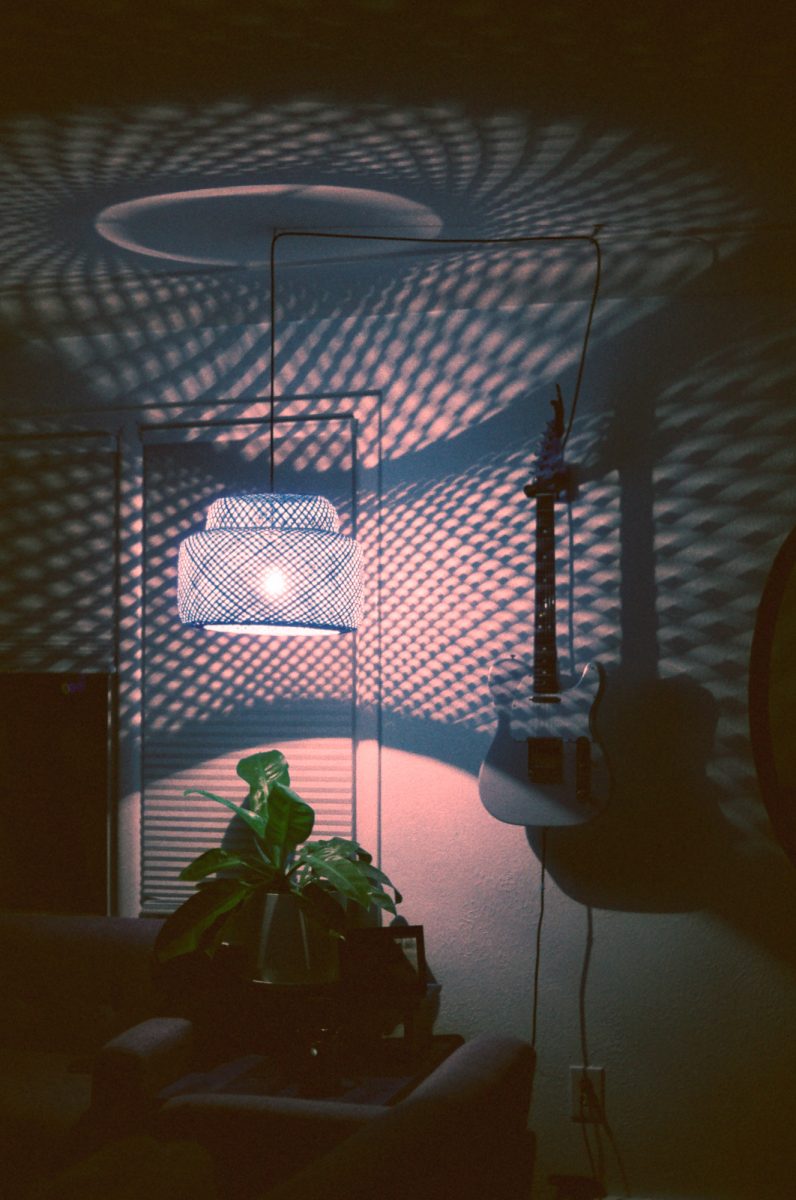
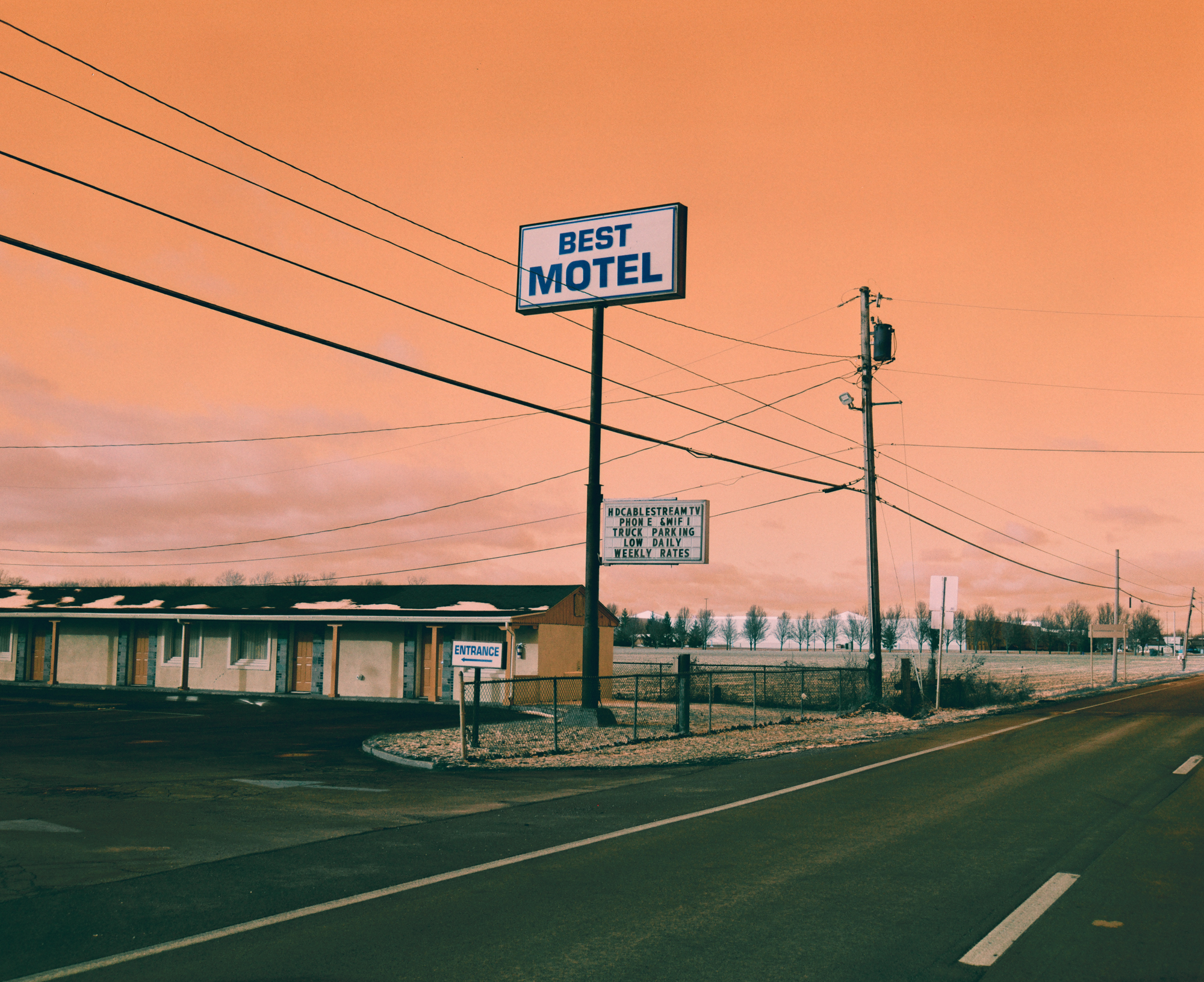
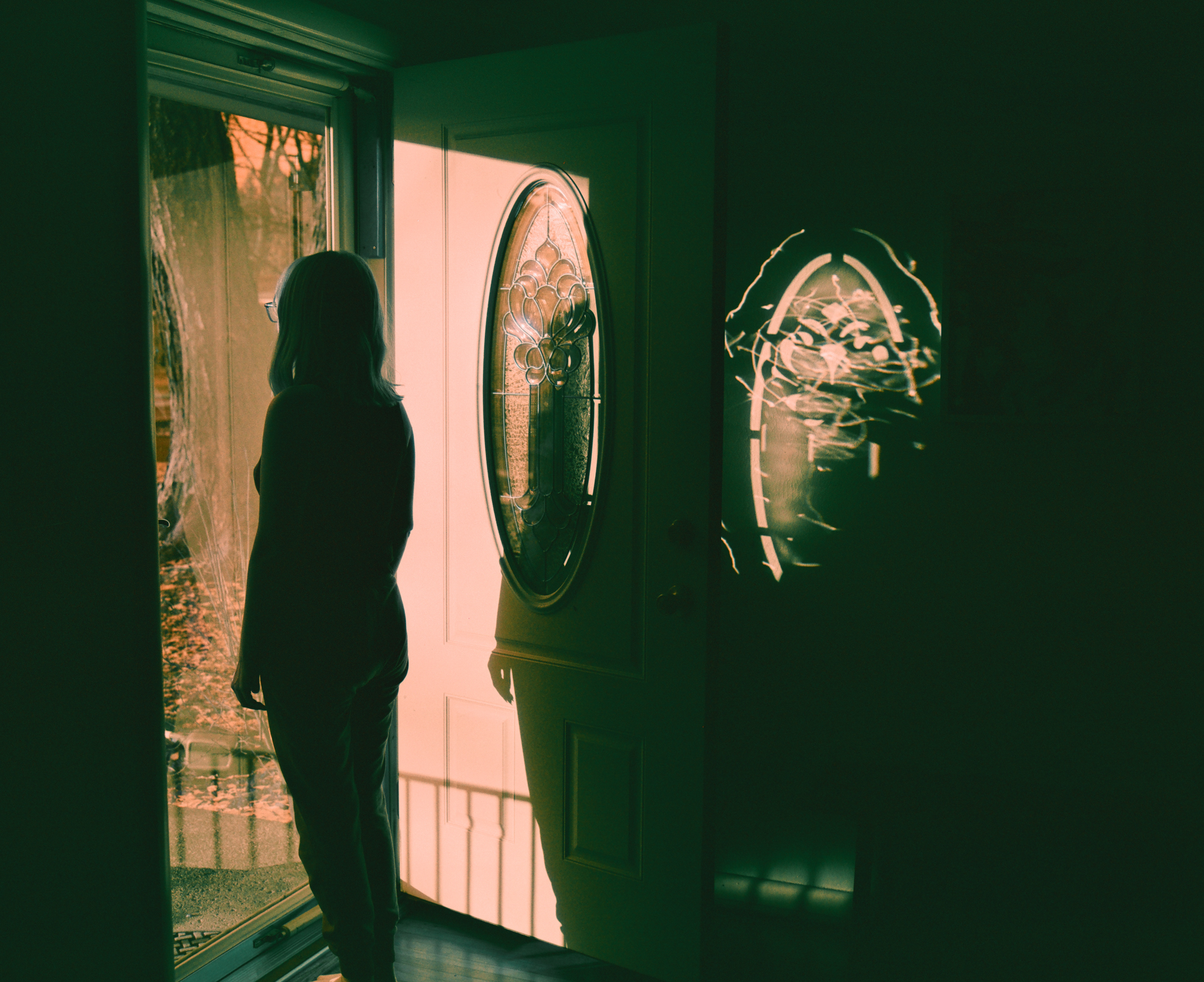
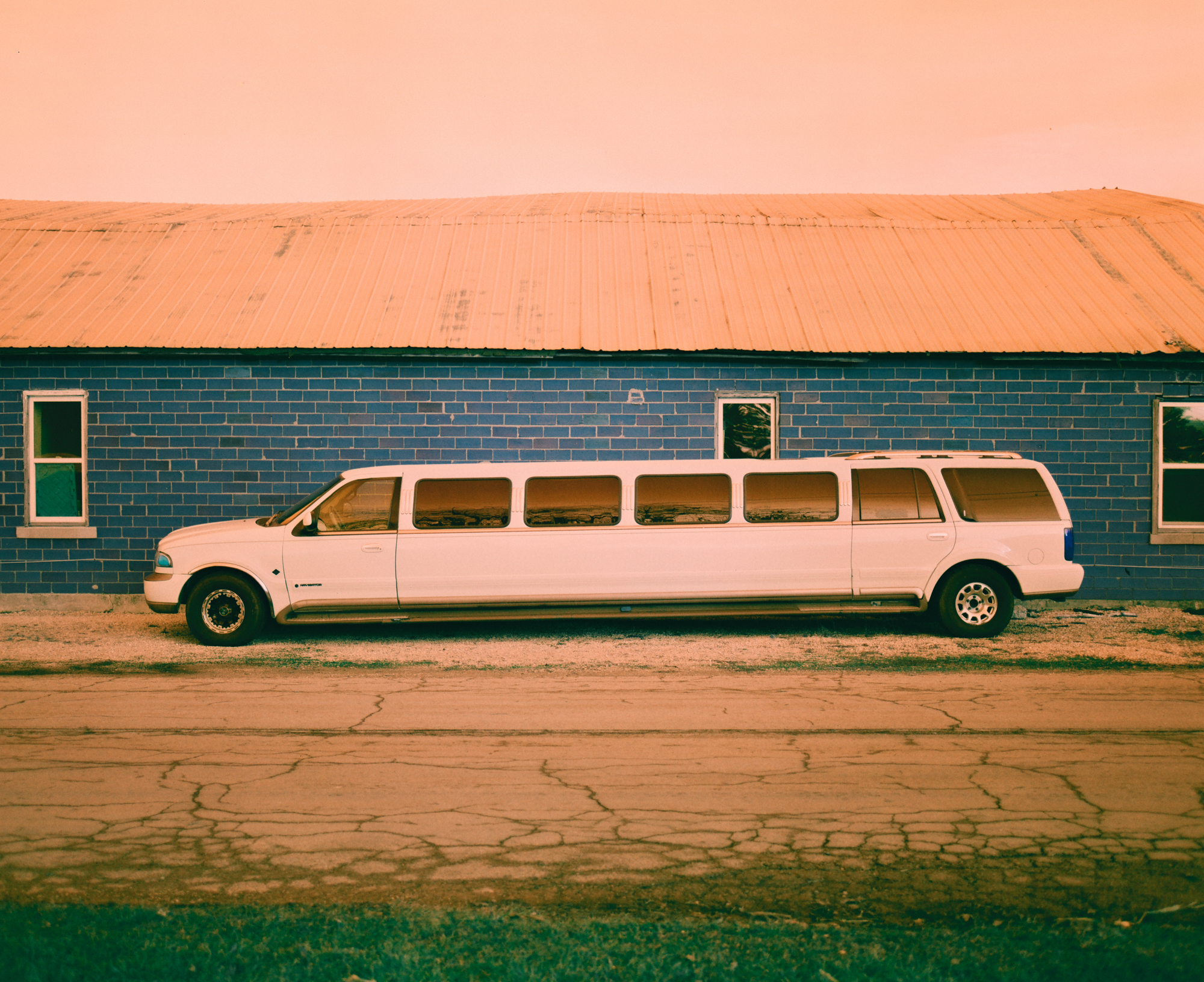
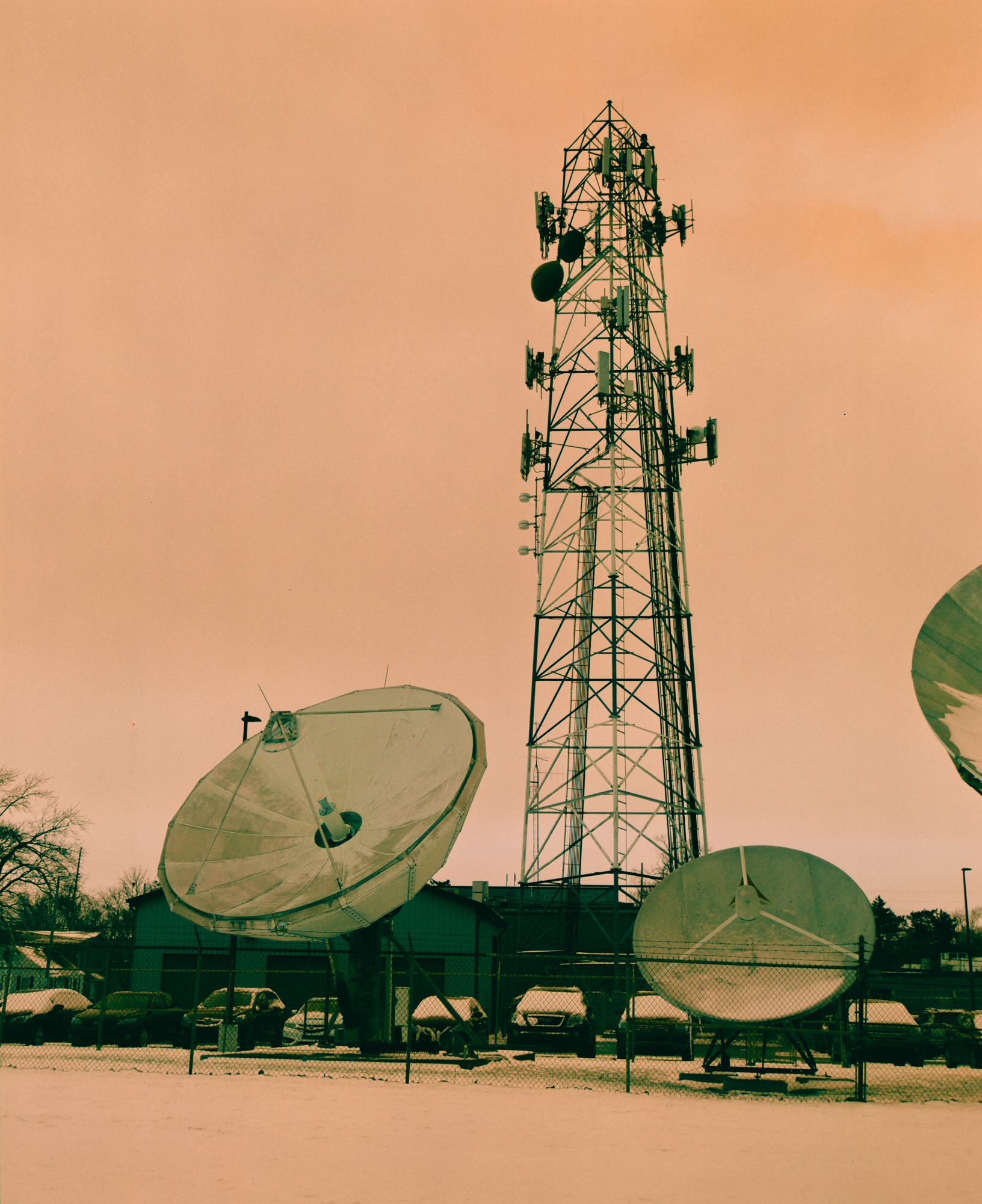
Join the Film Community
Here at The Darkroom, we’re more than just a traditional dip and dunk film lab. We’re part of a passionate and growing film photography community. Every week we develop and scan hundreds of rolls of 35mm and 120 film, all handled in-house by a team that genuinely cares about the craft of film photography. For us, film isn’t a side service or a trend. It’s what we do every single day, and we love being part of the process that helps photographers bring their images to life.
Over the years, we’ve been lucky to connect with an incredible community of photographers from all over the world. From beginners shooting their first roll to experienced shooters experimenting with new films and cameras, we enjoy seeing the creativity and variety that film photography continues to inspire. Being a lab means we get a unique behind-the-scenes view of how people are shooting film today, and it’s something we’re constantly excited to share with the community.
If you’re looking for regular educational and informative film content, behind-the-scenes insight from our lab, and inspiration from fellow photographers, we’d love to have you be part of the community. Follow along with us on Instagram, TikTok, and YouTube, and tag us in your work so we can see what you’re creating and share it with other film photographers.