












 FAQ
FAQ


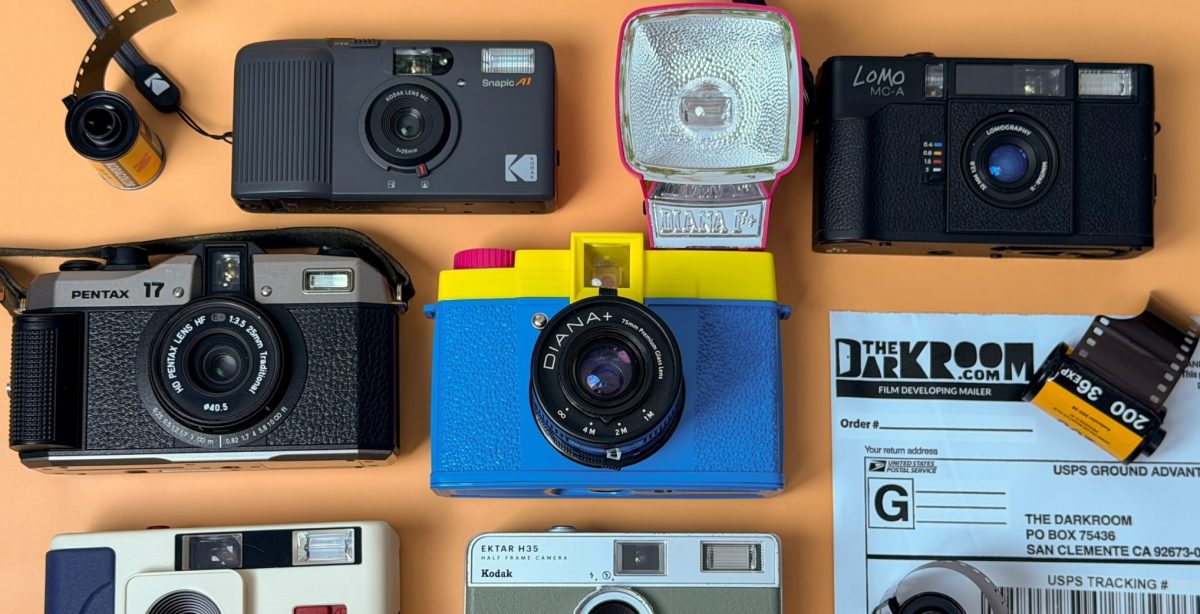
We’re living in a really exciting time for film photography. Over the past decade, film’s resurgence has been fueled by newly released film, a wide range of used cameras, and a passionate film community we’re grateful to be part of.
Used and vintage cameras are still a great option, and many remain reliable and repairable. At the same time, for the long-term health and accessibility of film photography, it’s incredibly encouraging to see new film cameras being developed alongside those classics. This is especially important for autofocus point-and-shoot cameras, which are hugely popular but often difficult to repair once they fail.
Below are some of our favorite brand-new film cameras you can buy in 2026. This isn’t an exhaustive list, but a curated selection organized into three price tiers. We’re focusing on reusable, reloadable cameras only – no disposable cameras – and while many large format cameras are still being made, we’ve left them out to keep the focus on 35mm and 120.
Budget and Entry-Level Film Cameras (Under $200)
This category has grown more than any other in recent years, and it’s critical to film photography’s future. These cameras are affordable, lightweight, and designed to lower the barrier to entry while still being fully reusable film cameras.
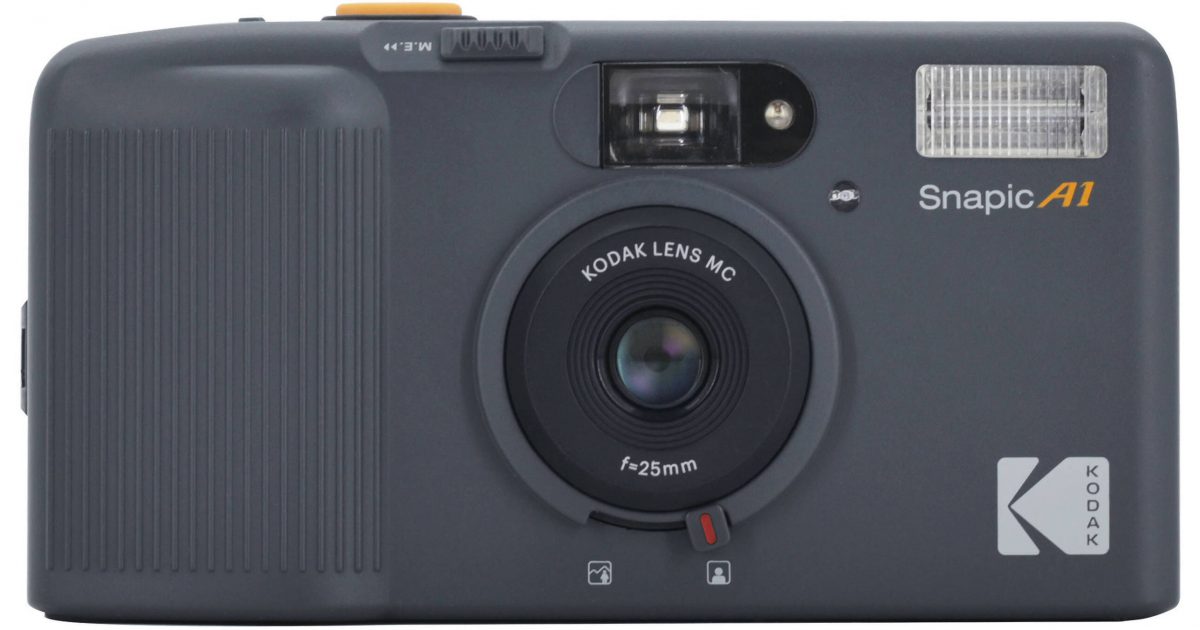
Kodak Snapic A1 (around $100)
For the price, the Snapic A1 is an impressive and thoughtfully designed camera. It’s a compact 35mm zone focus camera featuring a wide 25mm multi coated glass lens with two focus zones for closer and more distant subjects. You also get multiple flash modes, a multiple exposure option, and automatic film advance and rewind. While the body is plastic, the camera feels solid and well put together in hand, avoiding the toy like feel that often comes with budget film cameras.
Taken as a whole, the Snapic A1 offers a surprisingly robust feature set at a very approachable price. The combination of a glass lens, practical zone focusing, flash versatility, and automated film handling makes it a compelling choice for anyone looking to buy a new film camera without spending a lot. In our opinion, it stands out as one of the best cameras in the budget category, especially for photographers who want real functionality without diving into the used market.

Moment Long Weekend Camera (around $60)
This camera takes a very minimal, no frills approach. It’s fully plastic with a plastic lens, and the image quality is similar to what you’d expect from a disposable camera. The key difference is that it’s reusable, allowing you to reload film and keep shooting without the waste or pressure of single use cameras.
There are many cameras that function the same way, including the Ilford Sprite, Kodak M35, and the Walmart Onn (O N N) camera, all of which produce very similar results. Where the Long Weekend stands out is in its build. While the shooting experience is nearly identical, it feels a bit more solid and better put together, making it a more satisfying reusable alternative to both disposable cameras and other models in this category.
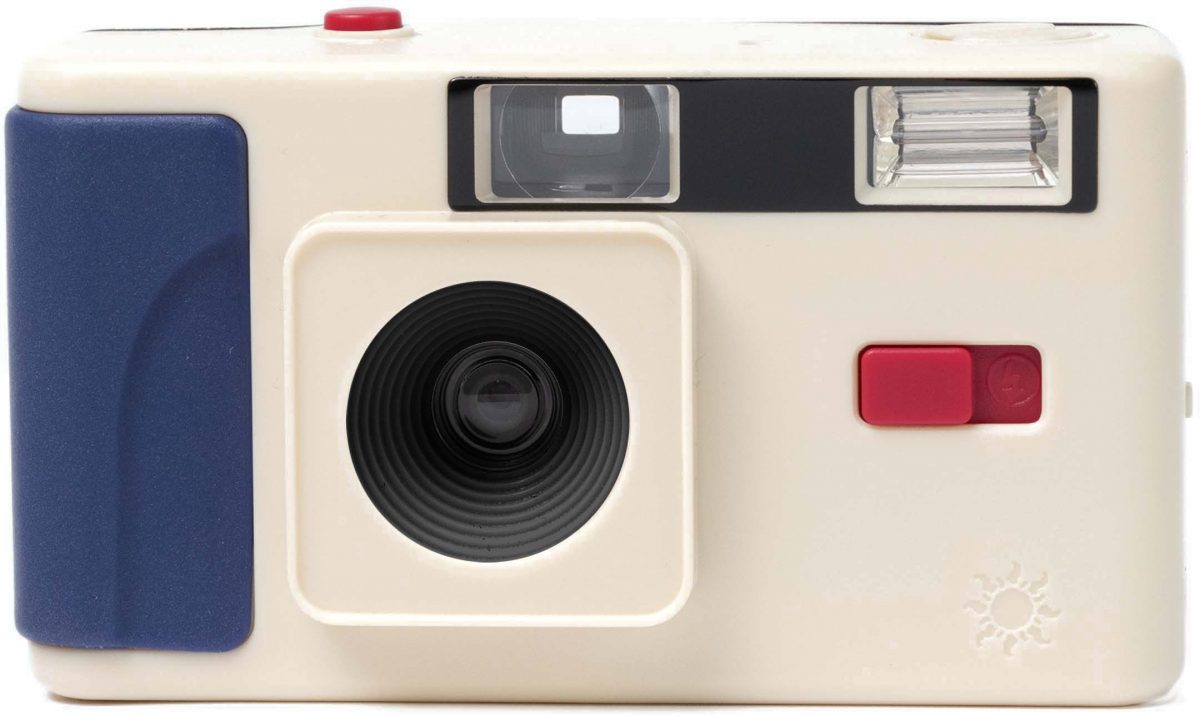




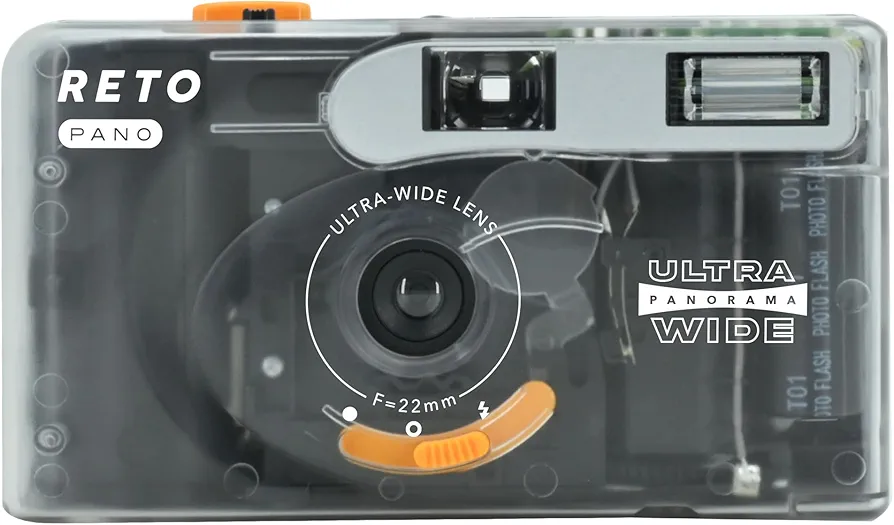
RETO Pano Ultra Wide Panoramic Camera (around $35–$40)
This is one of the few new film cameras available today that offers an ultra wide look with very simple operation. It’s designed around Sunny 16 shooting and works best with ISO 100, 200, or 400 film, making it an easy choice for travel, street, and casual everyday photography.
The Reto Pano functions like a reusable disposable camera with a wide plastic lens that delivers decent image quality and plenty of character. While it includes a panoramic mode, we don’t recommend using it since it simply crops the frame. You’re better off shooting full frame and cropping later. Overall, it’s a fun, affordable alternative to single use cameras and a playful change of pace.

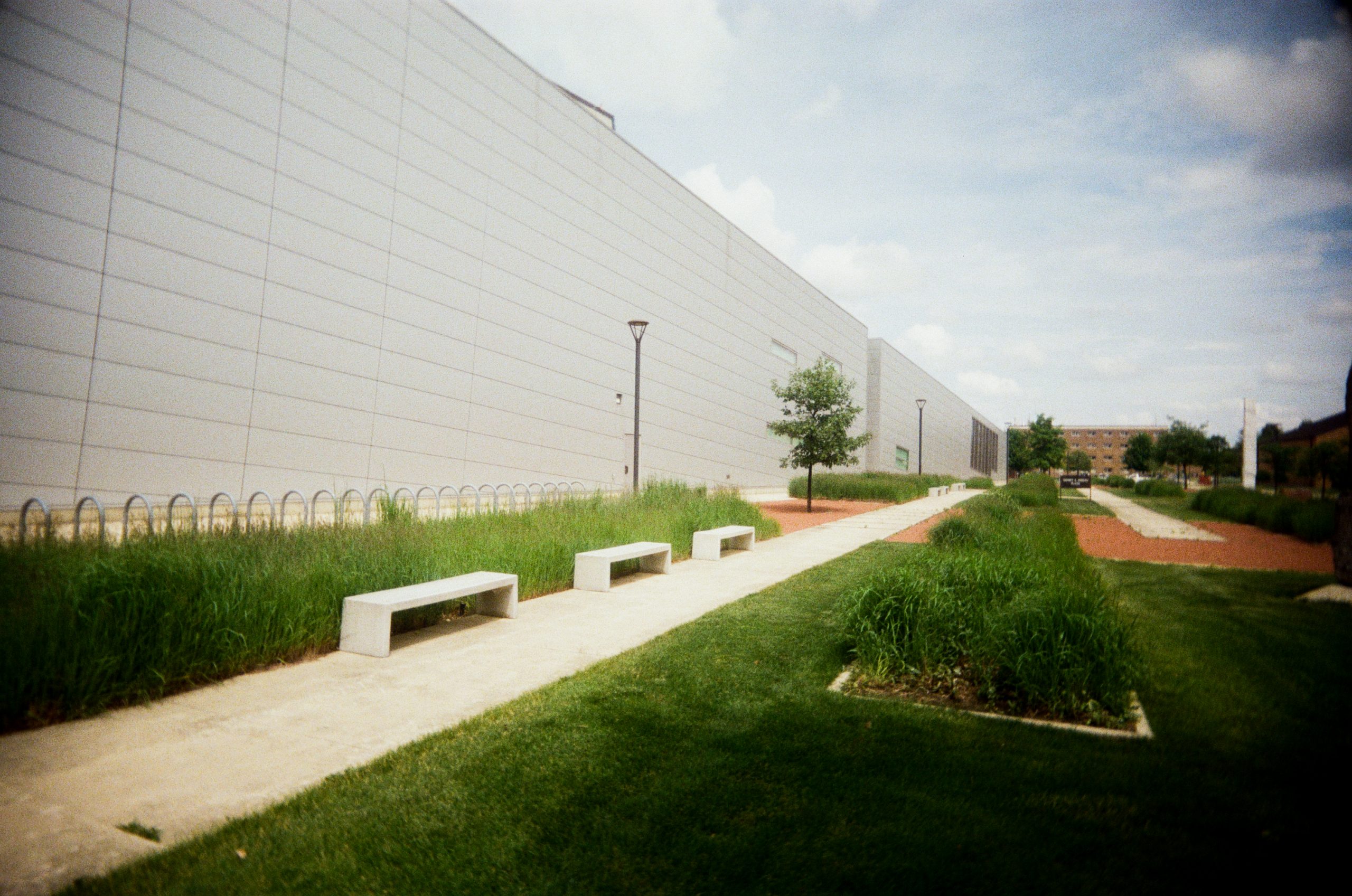

Lomography Sprocket Rocket 35mm Camera (around $70–$80)
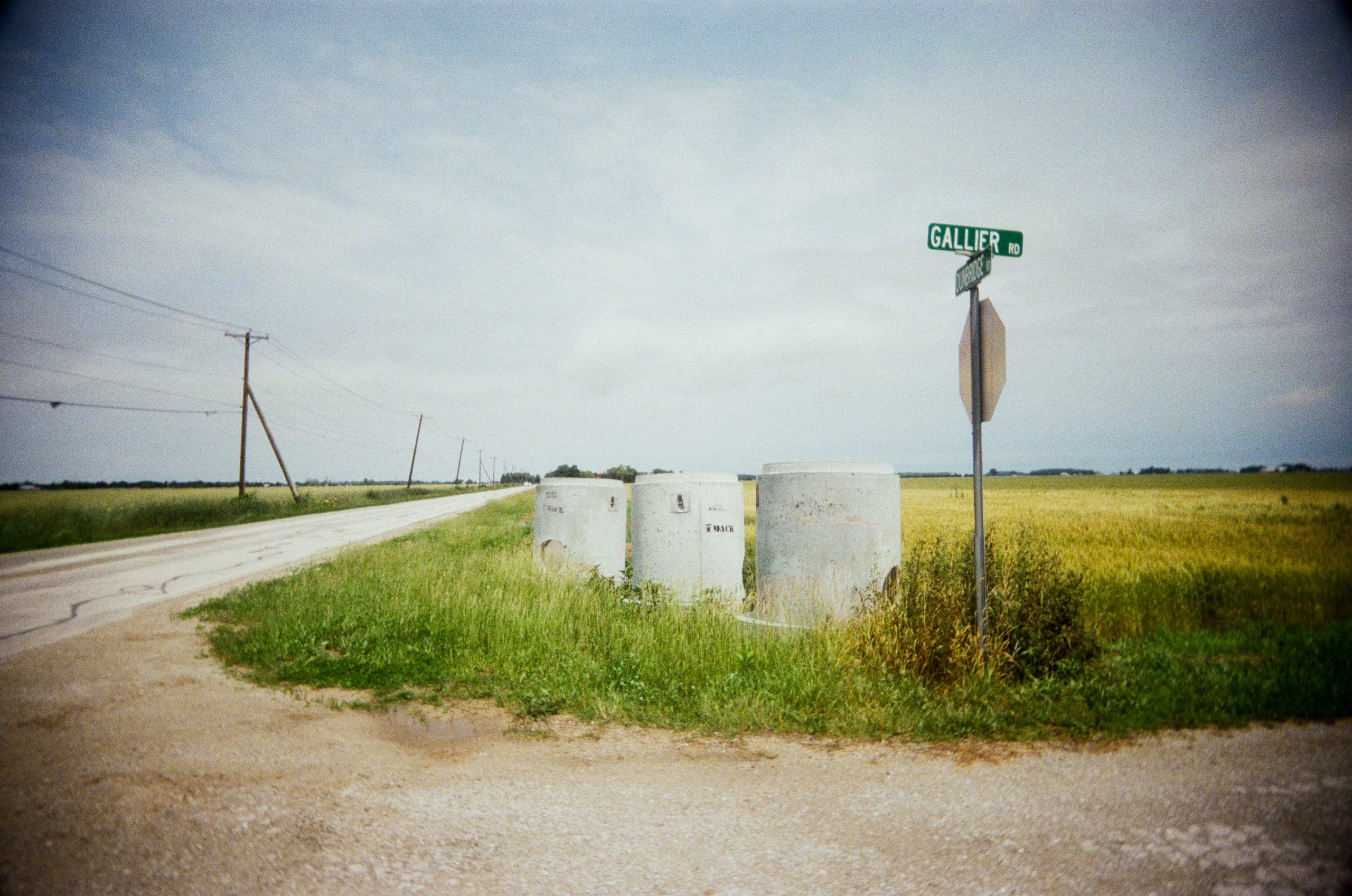
The Lomo Sprocket Rocket is all about creativity. It captures wide panoramic images while exposing the entire width of the 35mm film, including the sprocket holes, resulting in a bold, unmistakably analog look. The camera is simple, playful, and encourages experimentation without getting bogged down by settings or technical details.
What sets it apart is that full film capture. Here at The Darkroom, if the sprockets are exposed, we can scan them when you select the panoramic scan option, preserving the look the Sprocket Rocket is known for. It’s a fun change of pace from more traditional cameras and a great reminder that film photography doesn’t always have to be serious to be rewarding.
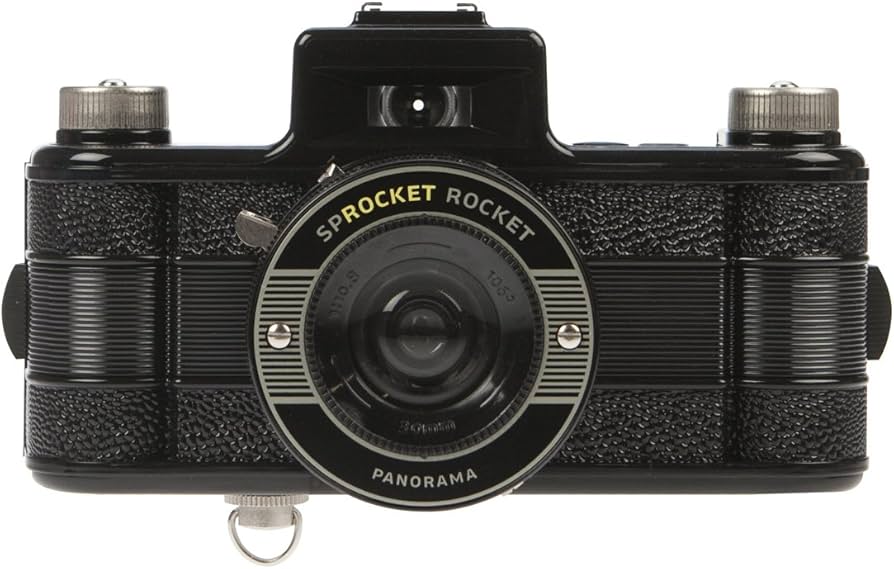

Photo by KC Steblay 
Photo by KC Steblay 
Photo by KC Steblay 
Photo by KC Steblay




Lomo Apparat 21mm Wide-Angle Camera (around $80–$100)
The Lomo Apparat is a wide angle 35mm camera built for exaggeration and creative experimentation. Its fixed 21mm lens delivers an ultra wide field of view that stretches perspective and emphasizes dramatic foregrounds. It’s zone focus and intentionally simple, but features like multiple exposures, a powerful detachable flash, and modular lens accessories give it plenty of room for playful, expressive shooting.
This is a niche camera by design. The extreme wide angle and bold flash aren’t for everyone, but they make the Apparat ideal for photographers who want character over precision. It shines in street, travel, and casual social shooting, offering a fun, unapologetic alternative to more traditional 35mm cameras.
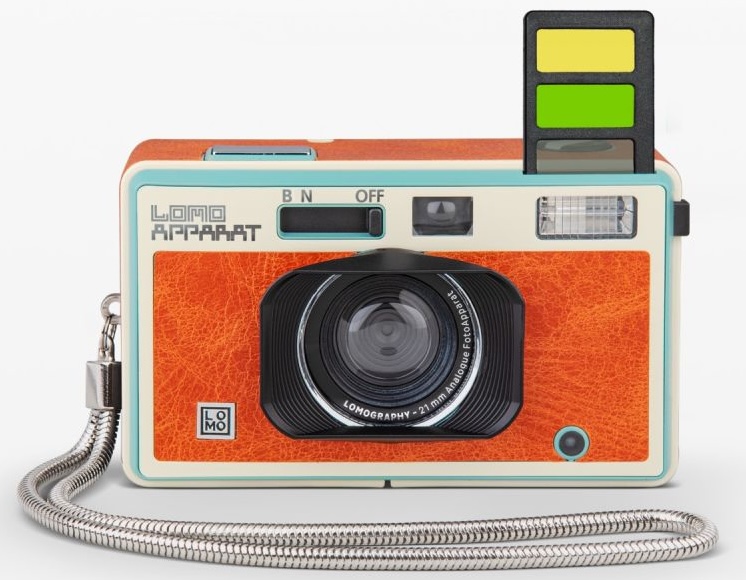
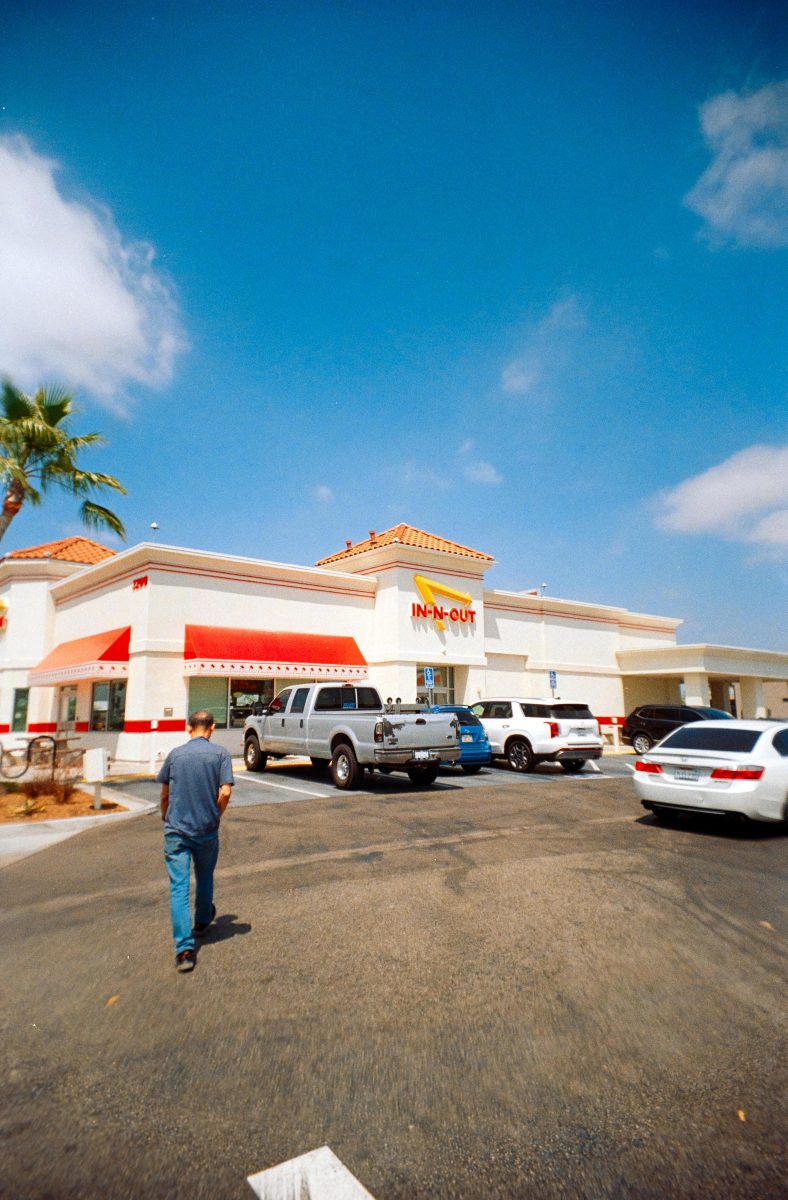
Photo by Caleb Knueven 
Photo by Caleb Knueven 
Photo by Caleb Knueven 
Photo by Caleb Knueven
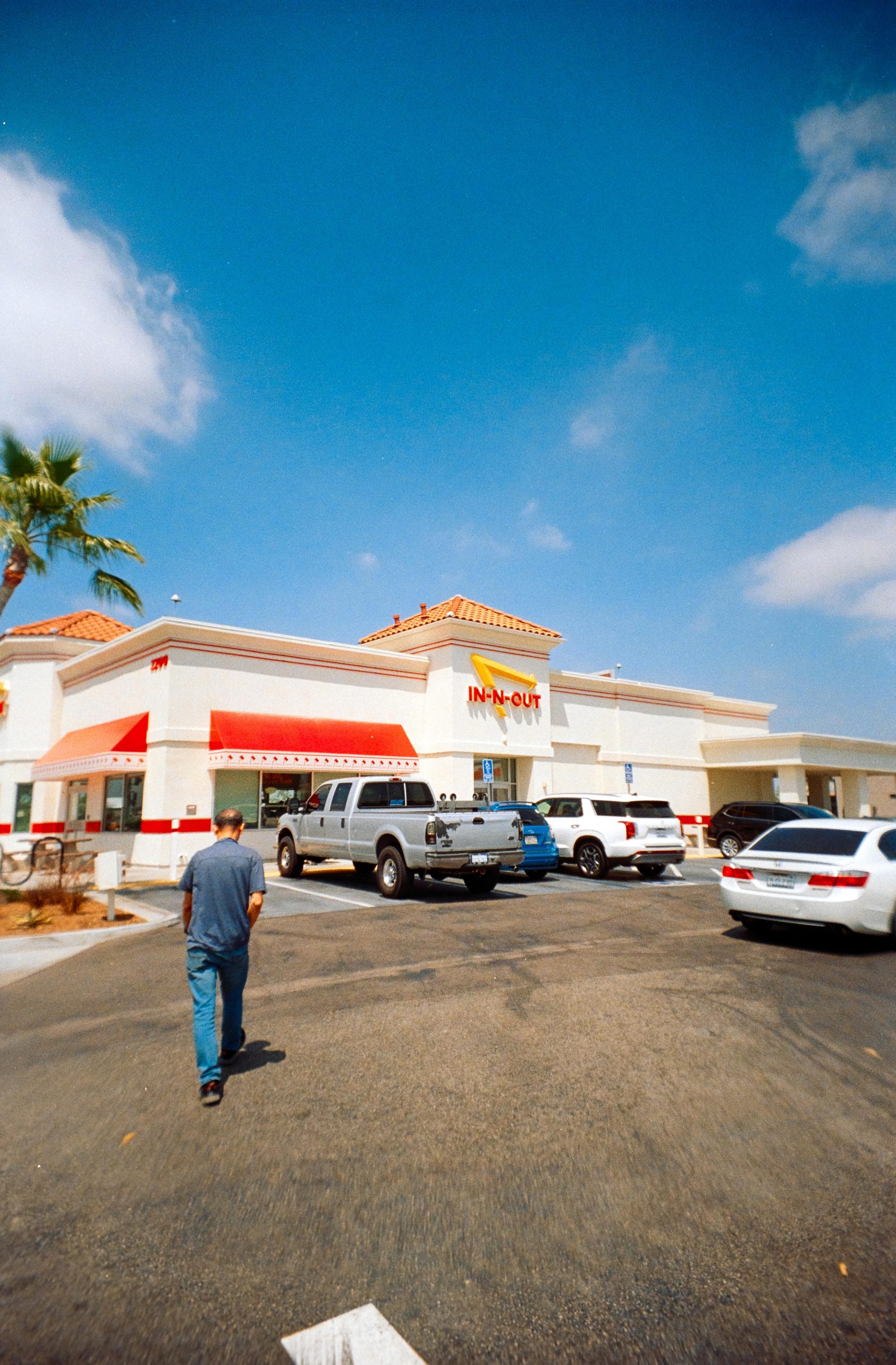



Lomography Diana F+ (around $80–$100)
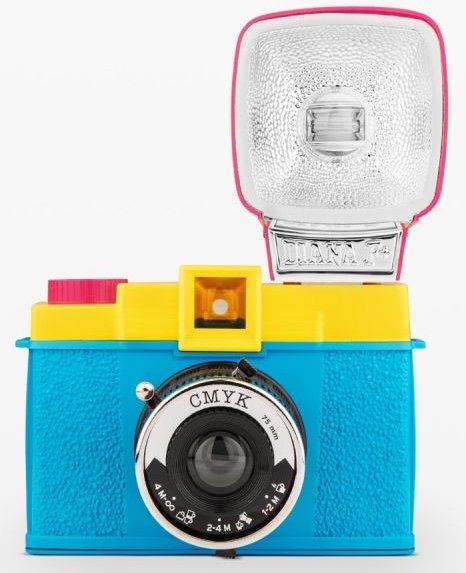
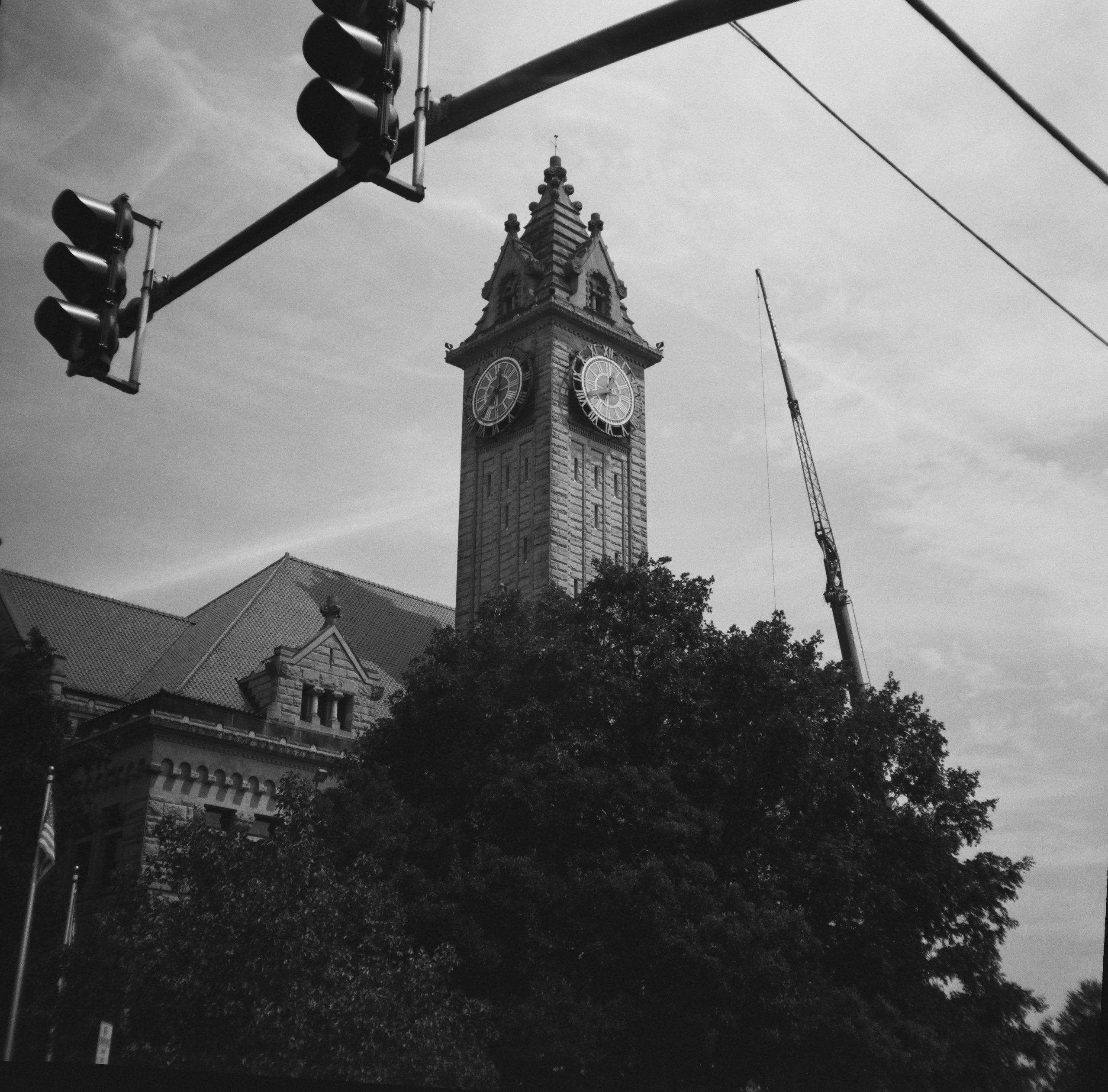
The Diana F+ is often labeled a toy camera, and in many ways it is, but it’s also one of the most affordable ways to start shooting medium format film. It uses simple zone focusing and can be paired with the Diana F+ 75mm premium glass lens, which significantly improves image quality compared to the standard plastic lens. With the right lighting, especially outdoors or with flash, it’s capable of producing surprisingly solid results.
This camera is all about character rather than precision. Images tend to be soft, moody, and imperfect, but that’s exactly what draws many photographers to it. For anyone curious about medium format without wanting to invest in expensive or complex gear, the Diana F+ offers an accessible and fun entry point that still delivers rewarding images when used within its strengths.



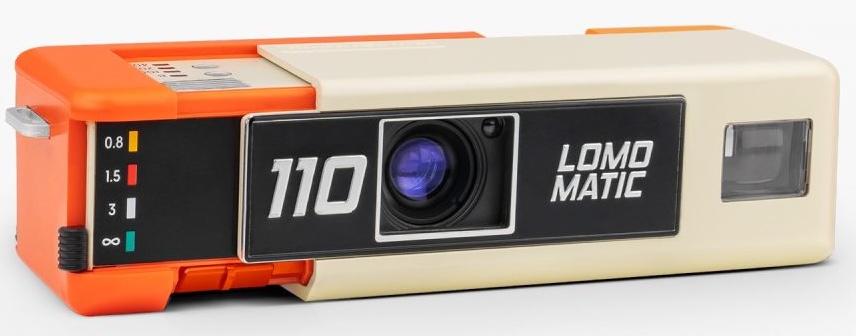
Lomography Lomomatic 110 (around $100-160)
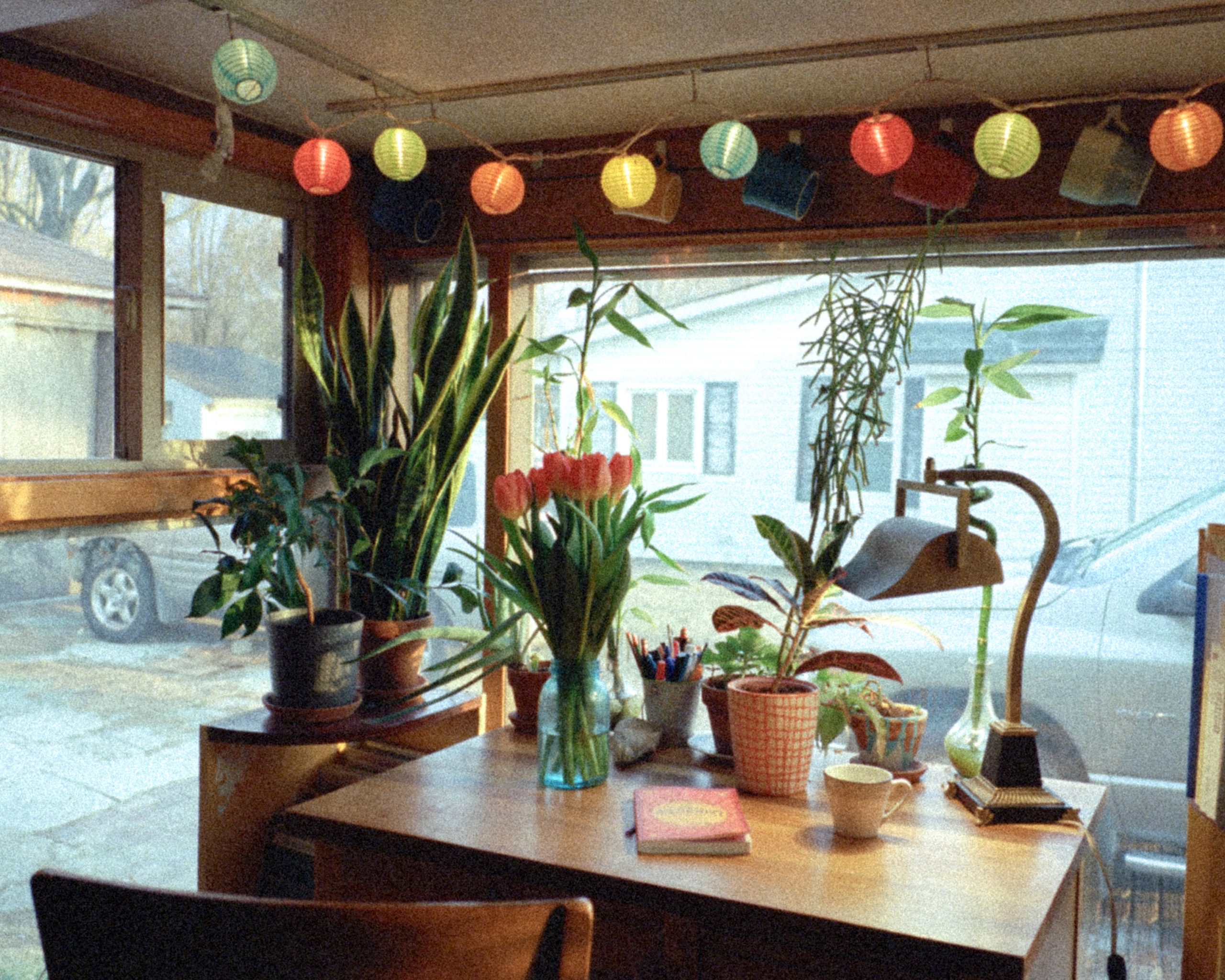
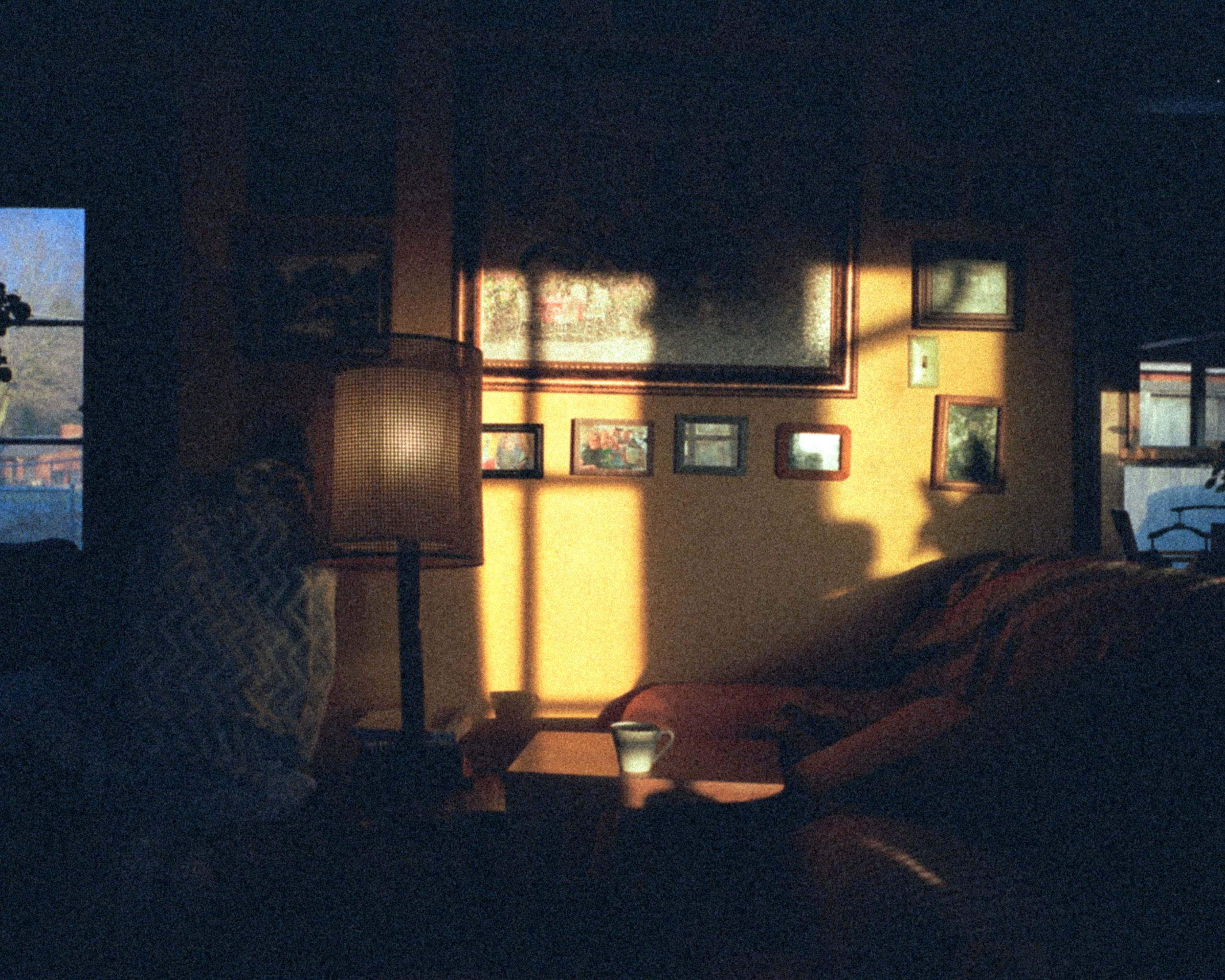
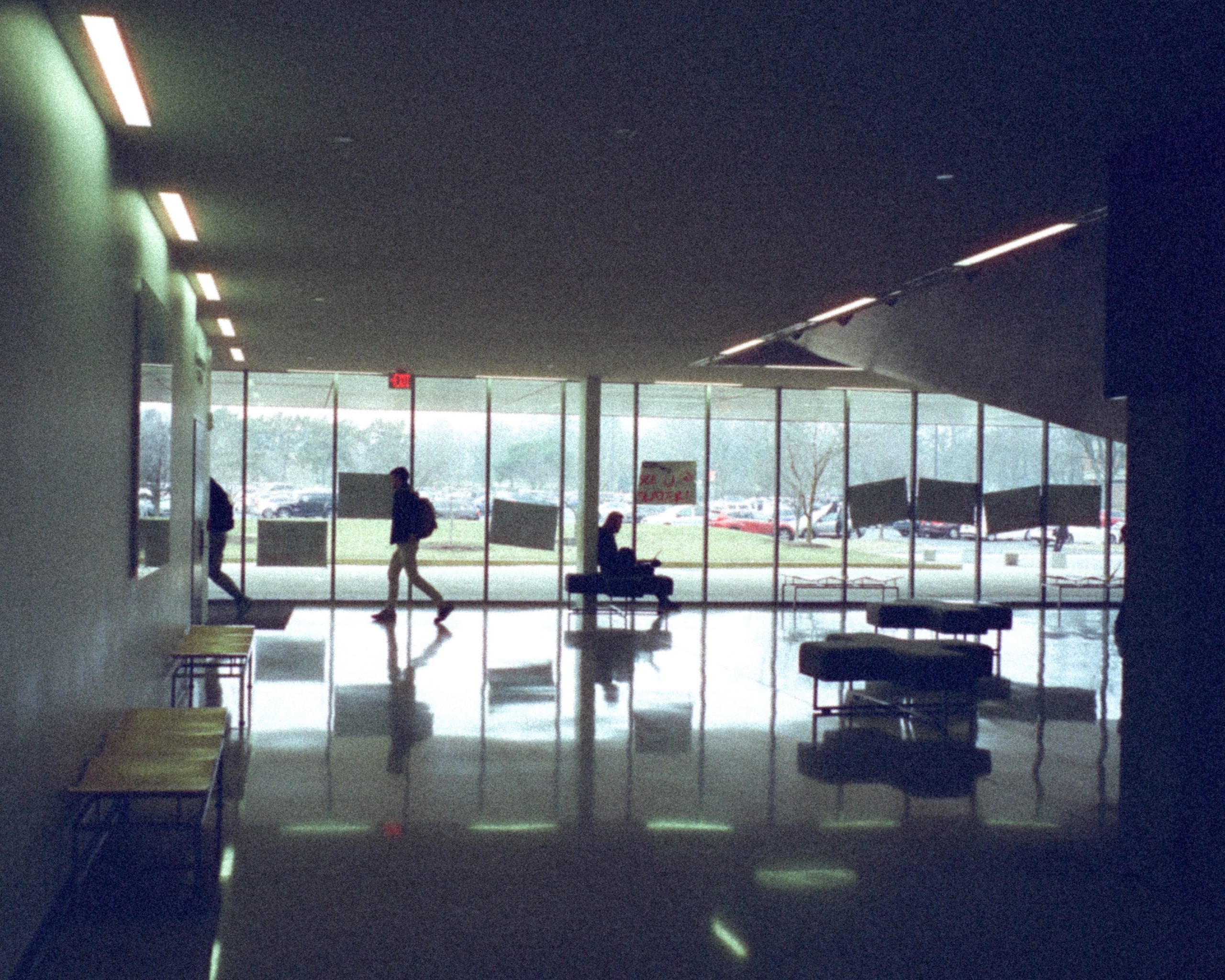
The Lomography Lomomatic 110 is a retro styled, modern take on the 110 format and one of the most interesting cameras on this list. It’s a compact zone focus camera featuring a glass lens, multiple ISO settings, and an optional flash, all wrapped in a small, highly portable body. The controls are intentionally simple, making it easy and fun to shoot while still offering more flexibility than many older 110 cameras.
What really sets the Lomomatic 110 apart is that it’s the only 110 camera on this list, made possible because Lomography has kept the format alive. Being able to shoot freshly made Lomography 110 film in a currently produced camera is something that wasn’t an option for many years. While the results won’t compete with larger formats, that’s not the goal. This camera is about embracing the charm and limitations of 110 film while enjoying the convenience of new gear designed to support it today.

Mid-Range Film Cameras (under $800)
This tier is where film cameras start to offer better build quality, more refined controls, and a more traditional photographic experience.
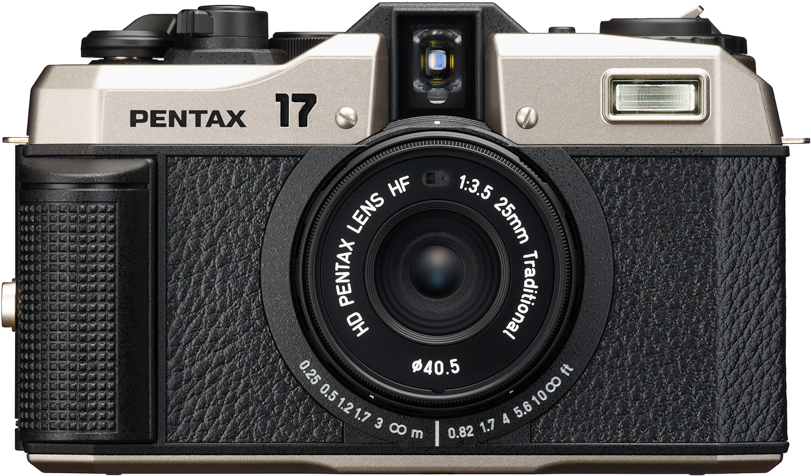
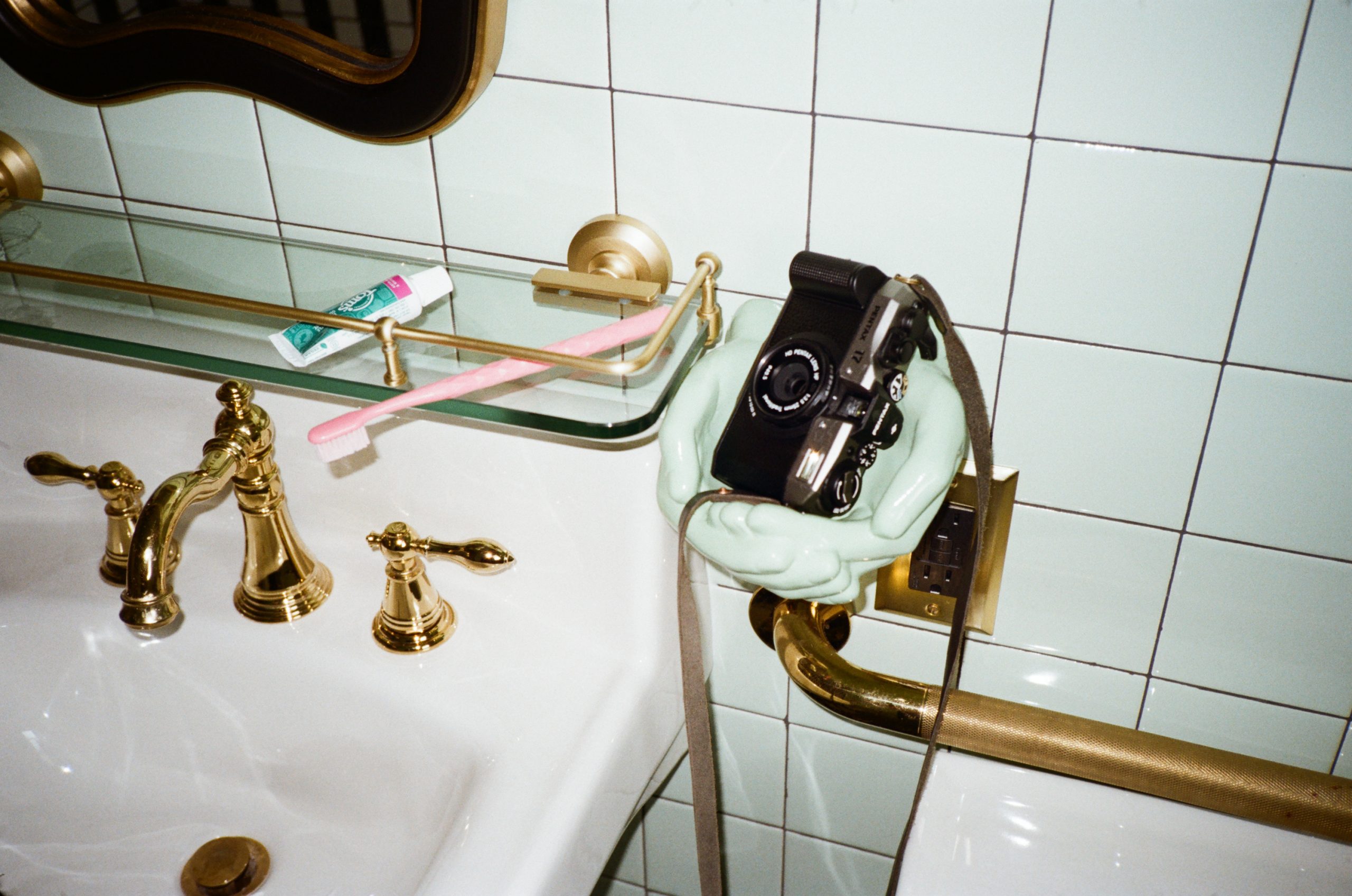
Pentax 17 (around $500)
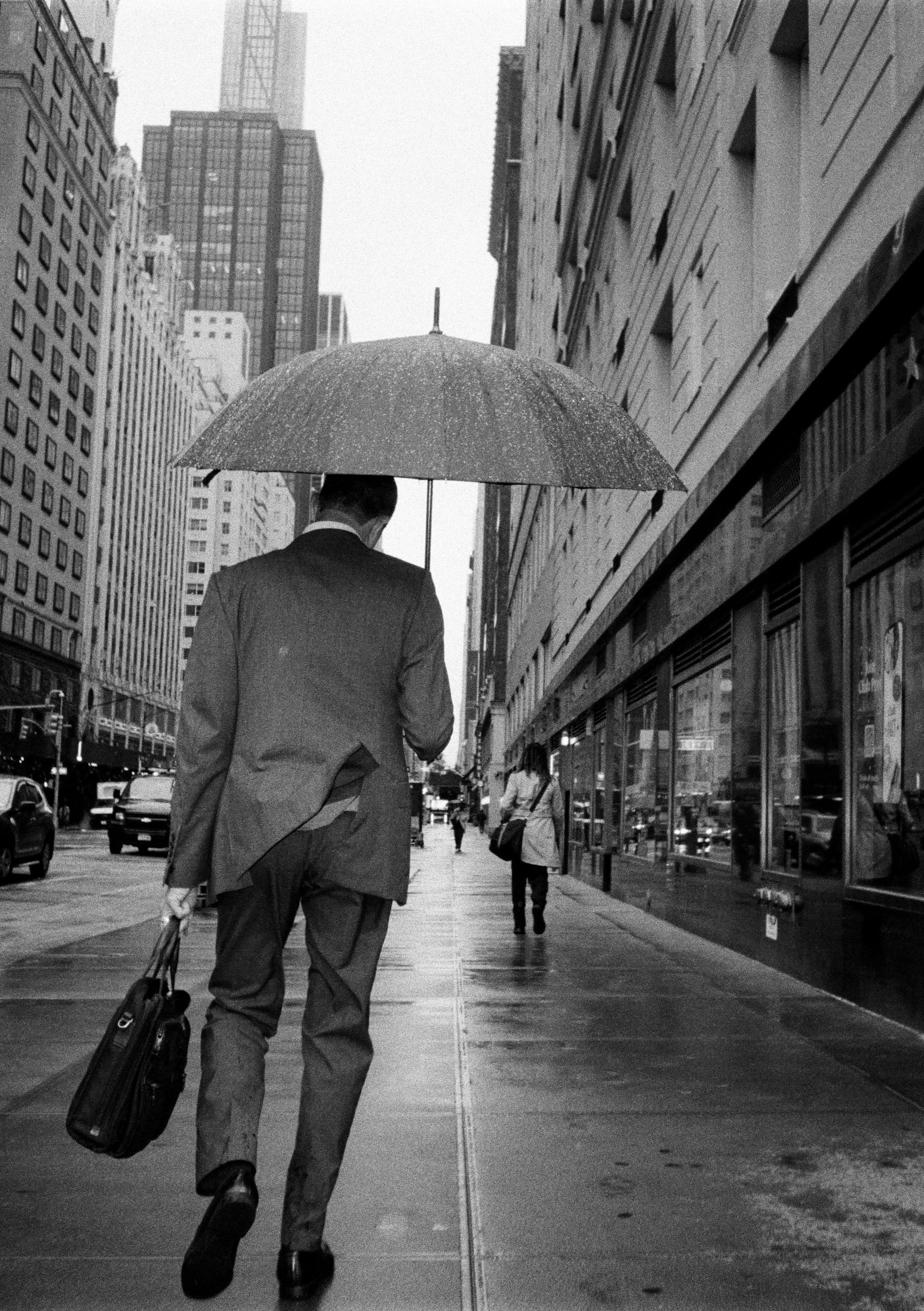
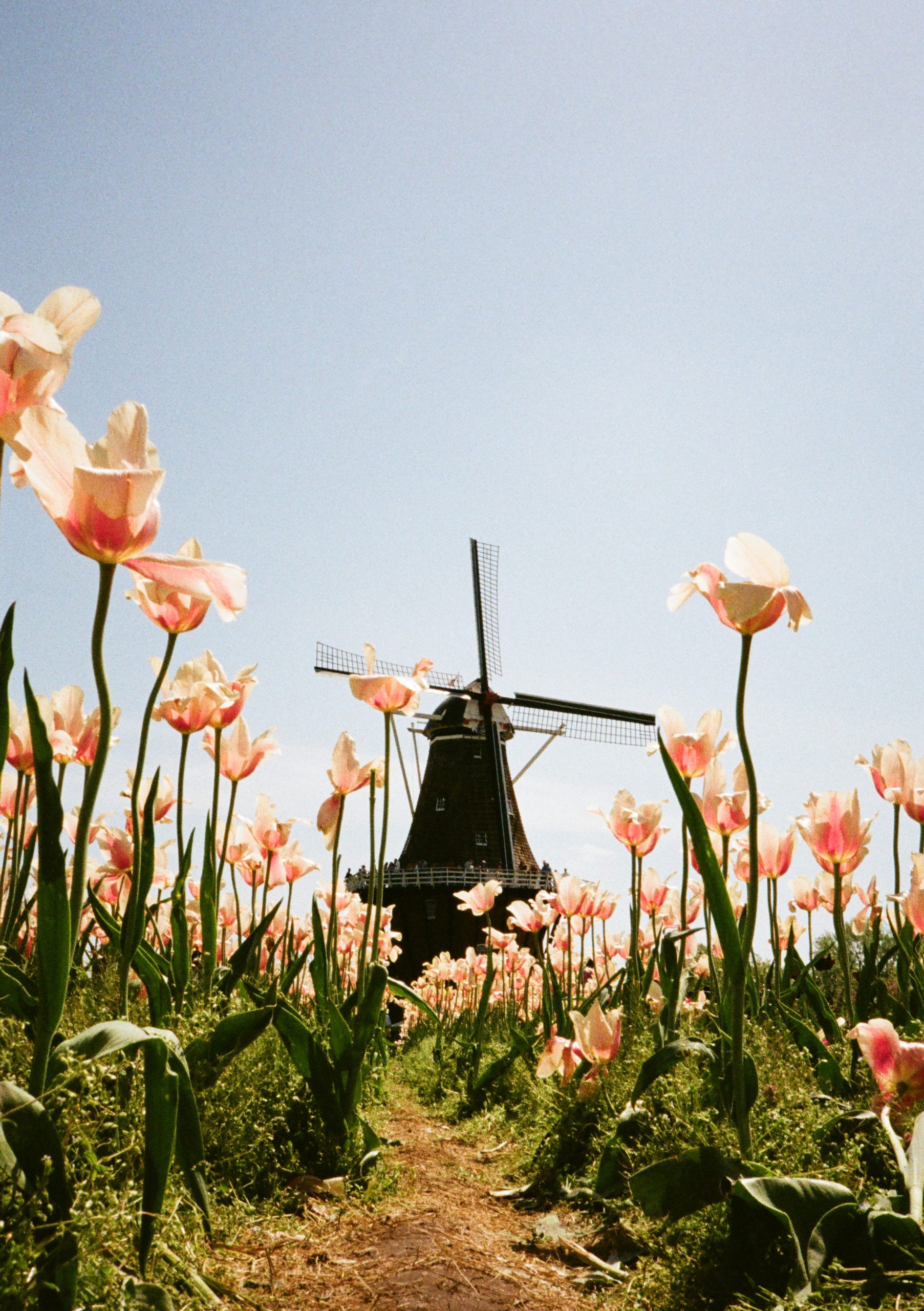
We’ve been shooting with the Pentax 17 since before its official release, and it continues to impress us. It’s a half frame, zone focus camera, which won’t be for everyone, especially for those who prefer full manual focus or full frame negatives. That said, the zone focusing system is extremely well implemented, and in real world use we rarely miss focus. The camera is lightweight, thoughtfully designed, and incredibly enjoyable to shoot.
What’s been most surprising is the image quality. Despite being half frame, the Pentax 17 produces remarkably sharp, detailed images that consistently exceed expectations. It strikes a rare balance between simplicity and capability, making it approachable for newcomers while still rewarding for experienced shooters. This is exactly the kind of modern film camera the community has been waiting for. To learn more, click here for our full review.


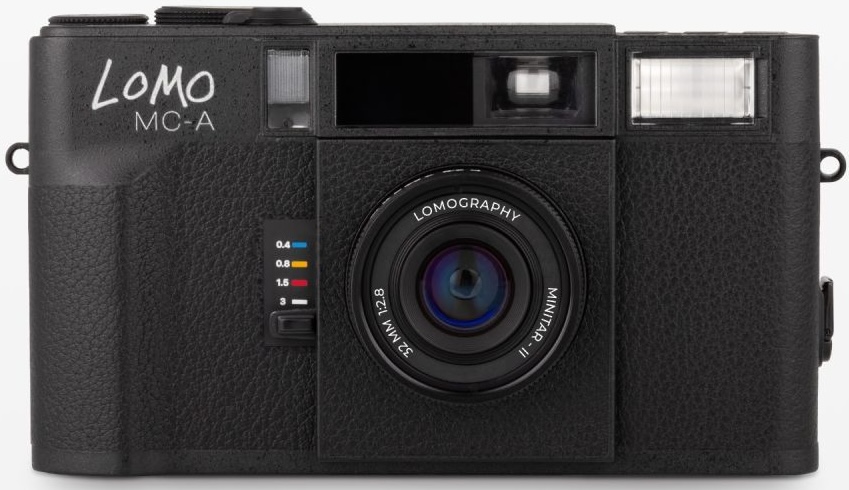
Lomography Lomo MC-A (around $550)
The Lomo MC-A is one of the most technically ambitious film cameras currently being made, blending modern control with a distinctly analog shooting experience. It features autofocus with the option to switch to manual zone focus, along with full auto, aperture priority, and full manual exposure modes. All of this is housed in a solid metal body, paired with a manual film advance lever and manual rewind, which helps keep the camera grounded in a traditional, hands on feel despite its advanced feature set.
What really sets the MC-A apart is how it balances flexibility and character. The lens delivers the classic Lomography look but with noticeably more refinement and sharpness than many of their earlier cameras, making it feel capable without losing personality. It’s a camera that can grow with you, working just as well as a simple point and shoot or as a fully manual tool when you want more control. For photographers looking for a newly made film camera that doesn’t compromise on features, this one truly stands out. To learn more, click here for our full review.


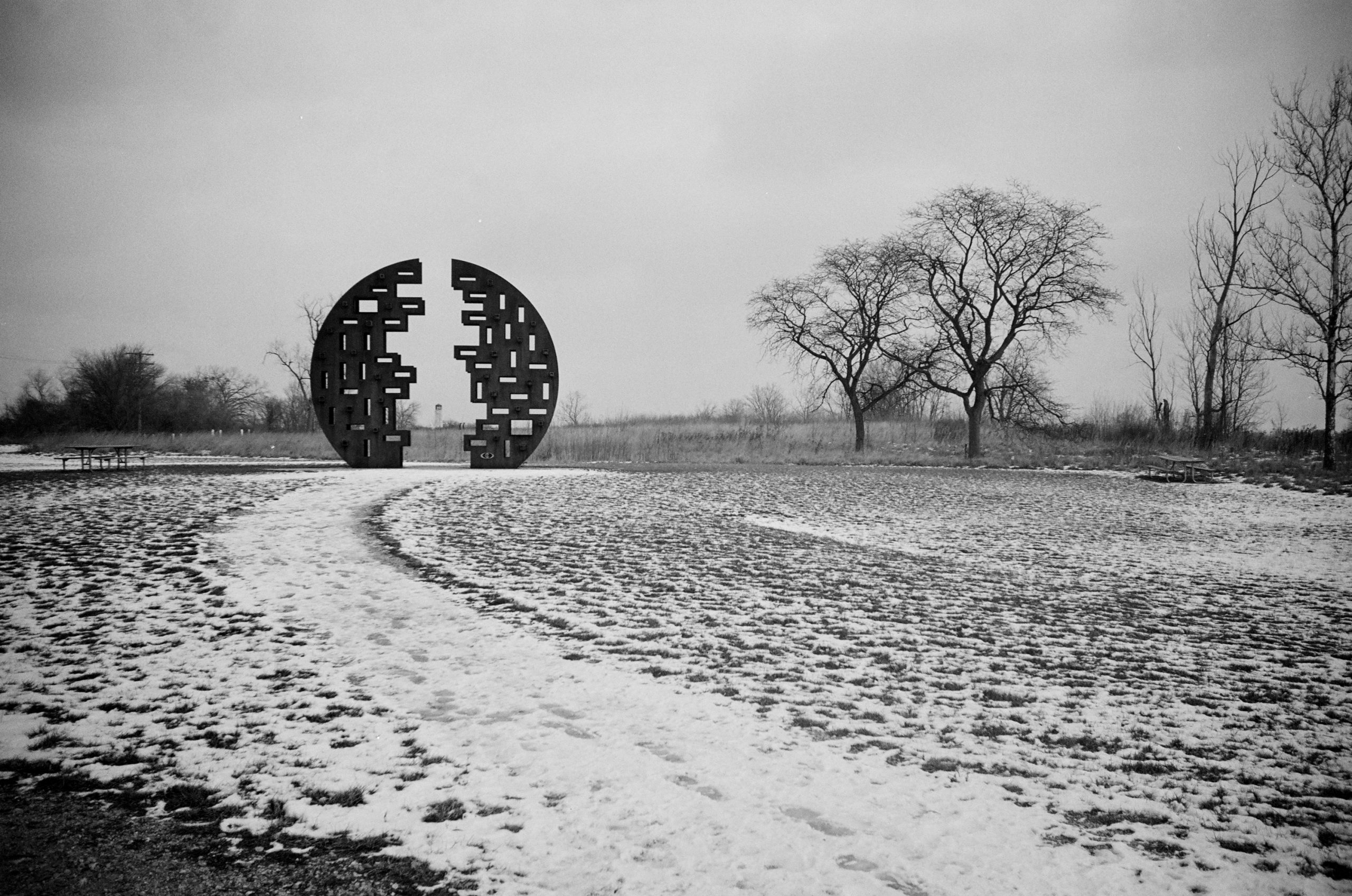

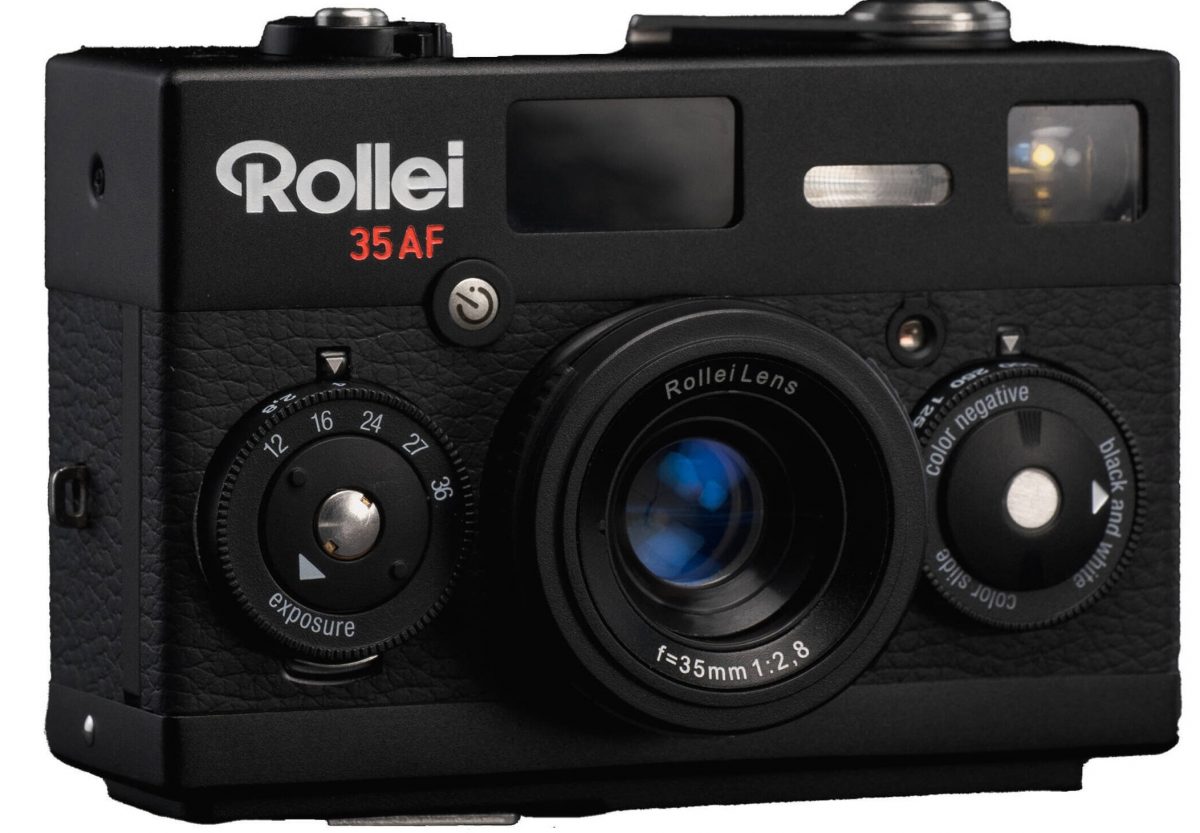
Rollei 35AF (around $800)
The Rollei 35AF is a modern take on the classic Rollei 35, bringing autofocus to a compact film camera aimed at photographers who want a premium experience without stepping into ultra high end pricing. It features LiDAR based autofocus along with manual and automatic exposure modes, and it’s genuinely exciting to see a camera like this being produced today.
After shooting a few rolls, we found the autofocus to be accurate and the image quality solid. However, the overall user experience didn’t feel as streamlined as some other modern film cameras, and we ran into a few minor build quality issues. Compared to the Lomo MC-A or the Pentax 17, which we feel offer a better shooting experience and equally strong or better image quality, the Rollei 35AF wouldn’t be our top choice in the $300 to $800 range. That said, it’s still a welcome addition and a positive sign for the future of new film cameras.



High-End Film Cameras
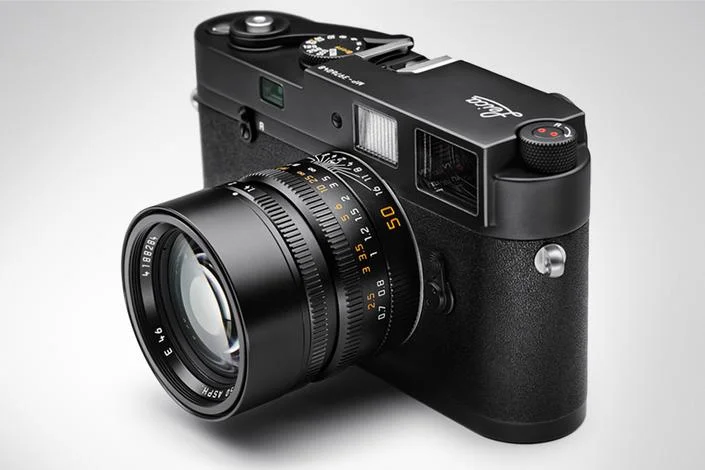
Leica M Series Film Cameras (around $5,000–$6,500)
Leica currently produces three 35mm film rangefinder cameras: the Leica MP, the Leica M6, and the Leica M-A. All three are very similar in function and philosophy, with the main difference being metering. The M-A is a completely manual camera with no light meter at all, requiring the photographer to handle both focus and exposure independently, while the MP and M6 include built in light meters. At their core, these cameras are mechanically simple, rangefinder focused tools built around the iconic Leica M mount.
When it comes to build quality and overall craftsmanship, these are easily the best film cameras currently being made. They’re constructed from premium materials, paired with some of the finest glass ever produced, and designed to be endlessly serviceable over decades of use. That said, they come with a hefty price tag and won’t be accessible to most photographers. While they’re incredible cameras and true lifetime tools, they’re firmly positioned at the top end of the market and well outside many people’s budgets.



A Hopeful Future for Film Cameras
At The Darkroom, we’ve been developing film for over 50 years, which means we’ve seen every phase of film photography. We were here during the heyday, we continued developing film as digital took over and many people believed film was finished, and we’ve been incredibly fortunate to be part of the resurgence and the growing film community we see today. Every day, we develop, scan, and print film from all of the cameras in this blog, from half frame and point and shoot cameras to medium format and professional systems, and we continue refining our workflows and scanning options to support both new and experienced photographers.
For film photography to continue to thrive, it takes more than nostalgia. It requires participation across the entire ecosystem. We do our part by focusing on quality film developing, scanning, and printing. Film manufacturers play a critical role by continuing to produce and innovate new film stocks. But one of the most overlooked pieces of the puzzle is film cameras themselves. While there are many excellent used cameras that we still recommend, they won’t last forever, especially electronic point and shoot cameras with autofocus that are increasingly difficult to repair. That’s why every new film camera matters. Supporting these efforts helps ensure the future of film photography.
Just as important, and maybe the most important part of all, is the film community. That’s what we love most about film photography. The community is passionate, supportive, and genuinely excited about new film, new cameras, and keeping the medium alive. We’d love to hear your thoughts in the comments below. If there’s a camera currently being made that didn’t make this list, let us know and we’ll consider adding it. Film photography doesn’t survive on nostalgia alone. It survives because people continue to show up, shoot film, and support the community around it.